



What's Happening?
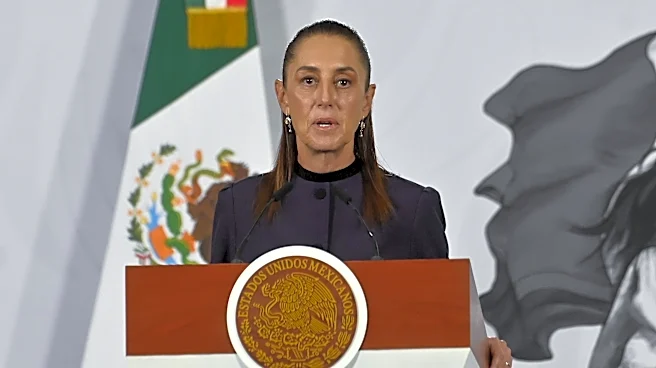
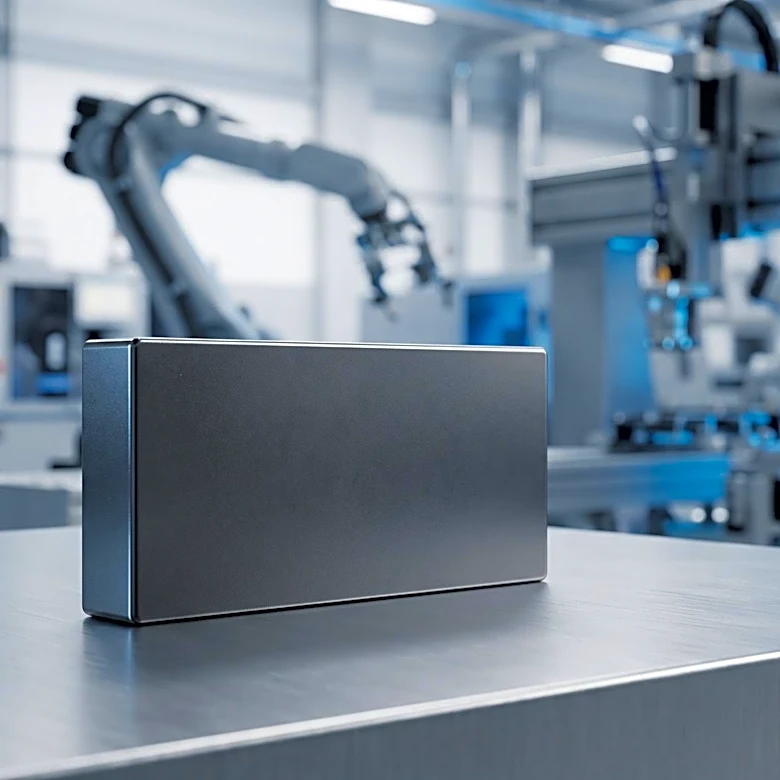
Presidenta Claudia Sheinbaum Pardo inaugurated Mercado Libre's first Robotic Distribution Center in Villa de Tezontepec, Hidalgo, as part of Mexico's investment plan. She emphasized that Mexico's primary attraction for investment is now its sophisticated
workforce, including engineers, rather than cheap labor, a shift from the neoliberal period. The Secretary of Economy, Marcelo Ebrard Casaubón, stated that this center represents an investment of over $600 million and will be one of the most advanced logistics centers. Governor Julio Menchaca Salazar noted that Hidalgo has seen an 8.5% economic growth, according to INEGI, along with increased job creation and investment, attributing this to the Presidenta's support for projects like the Mexico-Pachuca train and the Water Plan. Additionally, a Polo de Desarrollo Económico para el Bienestar (PODECOBI) of over 900 hectares has begun construction in Zapotlán de Juárez, which will include housing, a Family Medical Unit, and schools.
Why It's Important?
This inauguration signifies a crucial development for U.S. businesses and the broader North American economy. Mercado Libre, a major e-commerce player, establishing a high-tech robotic distribution center in Mexico underscores the country's growing appeal as a hub for advanced logistics and skilled labor. This trend can attract further foreign direct investment from U.S. companies seeking to leverage Mexico's increasingly sophisticated workforce and strategic location for nearshoring. The shift from cheap labor to a skilled workforce as Mexico's main economic draw indicates a maturing economy, which can lead to more stable and higher-value supply chains for U.S. industries. The development of PODECOBIs, integrating industrial development with social infrastructure, also suggests a more holistic approach to economic growth that could foster long-term stability and reduce social inequalities, benefiting regional economic integration.
What's Next?
The successful operation of Mercado Libre's robotic distribution center is expected to serve as a model for future high-tech investments in Mexico. The ongoing development of the PODECOBI in Zapotlán de Juárez, with its integrated housing, medical, and educational facilities, will likely attract more businesses and skilled workers to the region. This could lead to further infrastructure development and job creation, particularly in technology and logistics sectors. The Mexican government will likely continue to promote policies that support education and workforce development to sustain this economic shift. U.S. companies may explore similar investment opportunities, seeking to capitalize on Mexico's evolving economic landscape and skilled labor pool.
Beyond the Headlines
The Presidenta's remarks about Mexico's shift from cheap labor to a sophisticated workforce highlight a significant cultural and economic transformation. This change is not merely about industrial growth but also about the empowerment of Mexican workers through education and technological advancement. It challenges traditional perceptions of Mexico's role in global manufacturing and positions the country as a competitive player in high-tech industries. The integration of social welfare components like housing and medical units within economic development zones reflects a commitment to inclusive growth, aiming to ensure that economic prosperity benefits a wider segment of the population. This approach could foster a more equitable society and reduce social disparities, contributing to long-term national stability and a stronger bilateral relationship with the U.S.