



What's Happening?
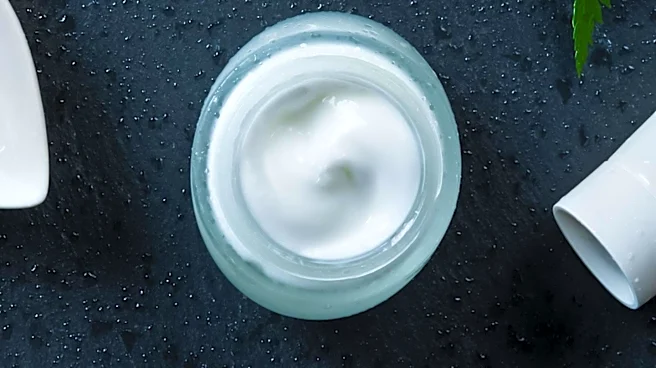
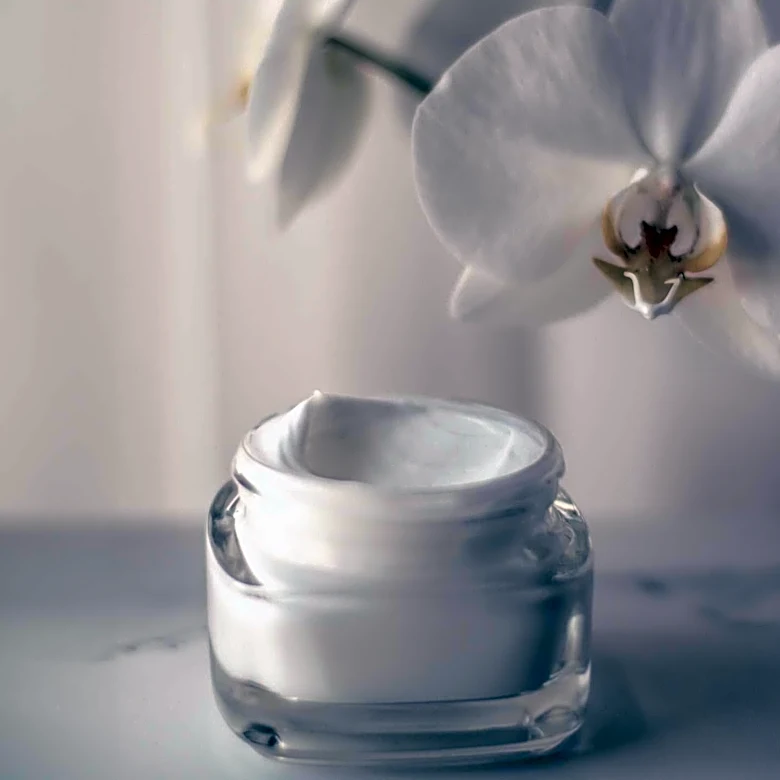
Fragrance experts Sue Phillips and Kershen Teo recommend applying unscented lotion or body oil before perfume to make the scent last longer. According to Teo, perfume binds to the natural lipids and oils in the skin, and drier skin has less to hold onto,
causing top notes to evaporate faster or synthetic elements to turn sharp. Moisture acts as a primer, providing an emollient base for fragrance oils, potentially doubling the scent's lifespan on the skin. Phillips suggests starting with unscented soap and lotion to avoid conflicting scents. The longevity of a perfume also depends on its concentration and base notes; Eau de Parfum or Parfum/Extrait concentrations perform better, and rich, natural base notes like sandalwood, patchouli, and vanilla have larger molecular structures that evaporate more slowly. Experts also advise spraying perfume on clothes, particularly shoulders, as fabrics retain fragrance molecules longer than dry skin.
Why It's Important?
This advice offers a practical and cost-effective solution for consumers seeking to maximize the wear of their perfumes, potentially reducing the need for frequent reapplication or purchasing more expensive, higher-concentration fragrances. For the beauty and personal care industry, this highlights the interconnectedness of skincare and fragrance products. It could influence product development towards complementary unscented skincare lines designed to enhance fragrance performance. Retailers might also adjust their marketing strategies to educate consumers on layering techniques, potentially boosting sales of unscented lotions and body oils alongside perfumes. Understanding these dynamics can help brands better cater to consumer needs and preferences, fostering greater customer satisfaction and loyalty in the competitive fragrance market.
What's Next?
Consumers are likely to adopt these layering techniques, leading to an increased demand for high-quality, unscented body lotions and oils. Fragrance brands may begin to explicitly recommend or even co-market their perfumes with complementary unscented skincare products. Educational content from beauty influencers and brands on proper fragrance application and layering is expected to become more prevalent. Additionally, the emphasis on base notes and concentration could influence consumer purchasing decisions, potentially shifting demand towards Eau de Parfum or Parfum/Extrait concentrations and fragrances with richer, longer-lasting ingredients. The industry might also explore innovative product formulations that inherently enhance fragrance longevity on the skin, integrating moisturizing properties directly into perfumes.
Beyond the Headlines
The discussion around fragrance longevity and skin hydration touches upon broader aspects of personal care and self-expression. The idea that a scent should evolve with the wearer and reflect personal evolution, as noted by Teo, suggests a more mindful approach to fragrance selection. This moves beyond simply smelling good to choosing a scent that resonates with one's identity and changes over time. The emphasis on testing fragrances on skin rather than paper blotters underscores the unique interaction between individual body chemistry and scent, highlighting the personalized nature of fragrance experience. This deeper understanding of scent interaction could lead to more personalized fragrance recommendations and bespoke scent services, further enhancing the connection between fragrance and individual identity.