







What's Happening?
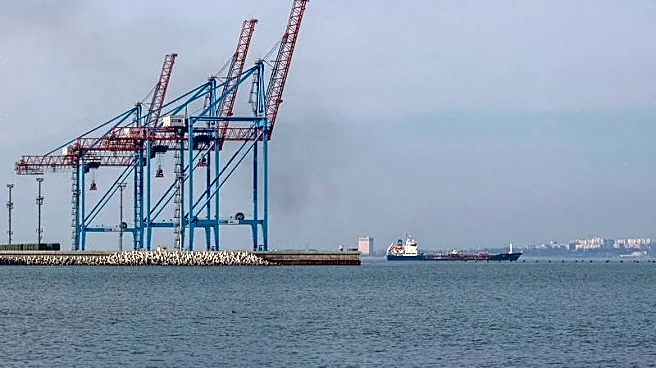
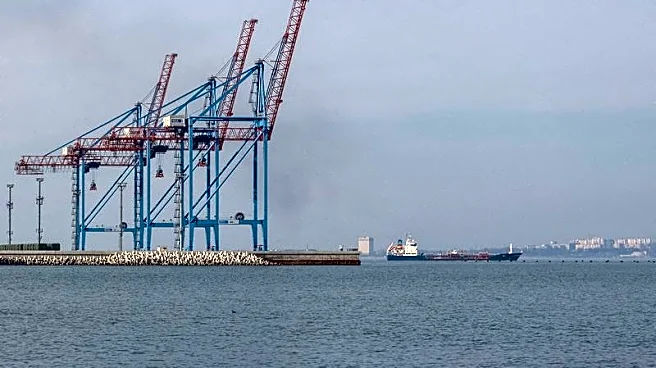
Wheat futures posted gains across major exchanges on Thursday, driven by increased tensions in the Black Sea region. A Ukrainian drone strike on a Russian grain export terminal caused significant damage, impacting market dynamics. European Commission
data revealed a decrease in expected EU wheat production and exports, contributing to the market's upward trend. Despite the gains, export sales data showed a marketing year low, with Indonesia and the Philippines as primary buyers.
Why It's Important?
The geopolitical tensions in the Black Sea region, a critical area for global grain exports, have significant implications for the wheat market. The disruption of supply chains can lead to price volatility and affect global food security. The decline in EU production further exacerbates supply concerns, potentially leading to higher prices and increased competition among exporters. These developments highlight the interconnectedness of global agricultural markets and the impact of geopolitical events on trade.
What's Next?
Market participants will closely monitor the situation in the Black Sea region and its impact on grain exports. The EU's production outlook and export capabilities will also be key factors influencing market trends. Traders and exporters may need to adjust their strategies to navigate the evolving geopolitical landscape and ensure supply chain resilience.