


What's Happening?
FanGraphs' RosterResource Chat on November 19, 2026, featured discussions among baseball analysts regarding high-impact players who could potentially be non-tendered by their respective teams. Among the players identified in this category is Camilo Doval.
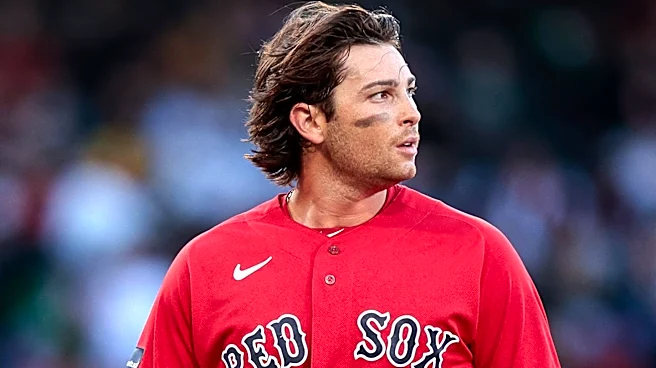
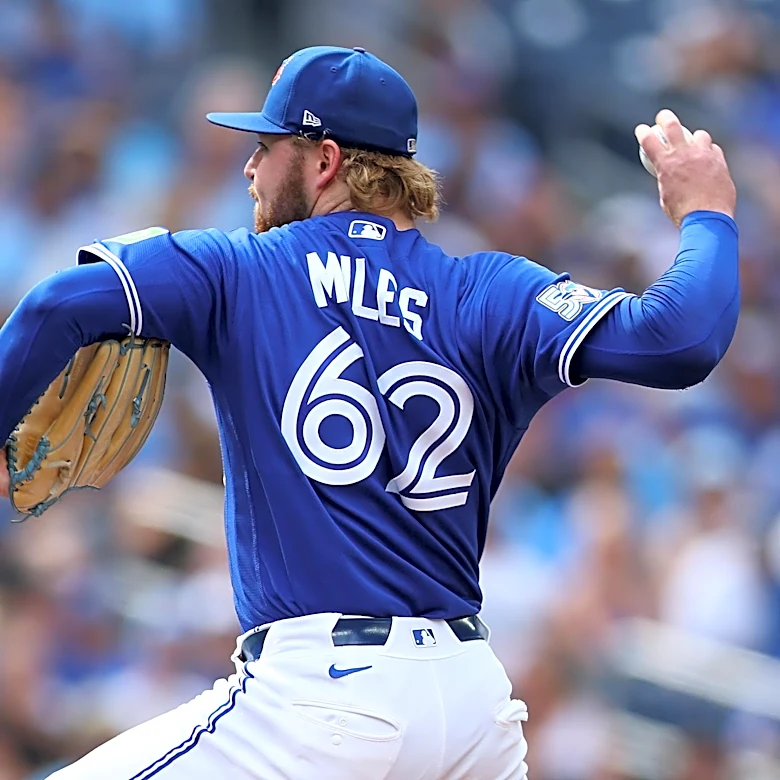
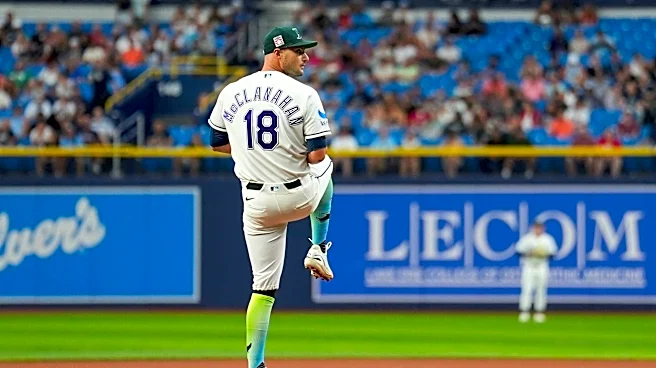
The conversation centered on the upcoming non-tender deadline, where teams must decide whether to offer contracts to their arbitration-eligible players. Other notable players mentioned as potential non-tenders include Jake Burger, Royce Lewis, Matt McLain, Jo Adell, Jarren Duran, Luis Gil, Tanner Houck, and Tony Santillan. The analysts also touched upon the financial implications for teams, such as the revenue generated from postseason runs and its impact on offseason plans, as well as the trade value of players nearing arbitration.
Why It's Important?
The non-tender deadline is a significant event in Major League Baseball, as it can dramatically alter team rosters and player careers. For players like Camilo Doval, being listed among potential non-tenders indicates a critical juncture where their current team might opt not to retain them, making them free agents. This creates opportunities for other teams to acquire talent, potentially at a lower cost, and can lead to significant shifts in team dynamics and competitive balance. The discussion also highlights the strategic decisions teams face regarding player value, arbitration costs, and long-term roster construction. The financial aspects, such as postseason revenue and its influence on free-agent spending, underscore the economic realities that shape team building in professional sports.
What's Next?
As the non-tender deadline approaches, teams will finalize their decisions on which arbitration-eligible players to offer contracts. Players who are not tendered a contract will become free agents, opening up opportunities for them to sign with new teams. This period will likely see a flurry of activity as teams look to fill roster gaps and players seek new opportunities. The analysts' predictions suggest that several notable players could become available, potentially leading to a competitive market for their services. The subsequent free agency period will then determine where these players land and how their new teams integrate them into their plans for the upcoming season.
Beyond the Headlines
The FanGraphs discussion goes beyond simple roster moves, delving into the complex interplay of player valuation, team financial strategies, and the broader market dynamics of MLB. The concept of 'high-impact players' being non-tendered reflects the constant pressure on teams to optimize their rosters and manage payroll effectively. This can lead to difficult decisions, even for talented players, if their projected arbitration salaries are deemed too high relative to their perceived value or the team's financial constraints. Such decisions can have ripple effects across the league, influencing trade markets, free agency, and the development paths of prospects. It also underscores the business side of baseball, where performance, potential, and financial considerations are constantly balanced.