







What's Happening?
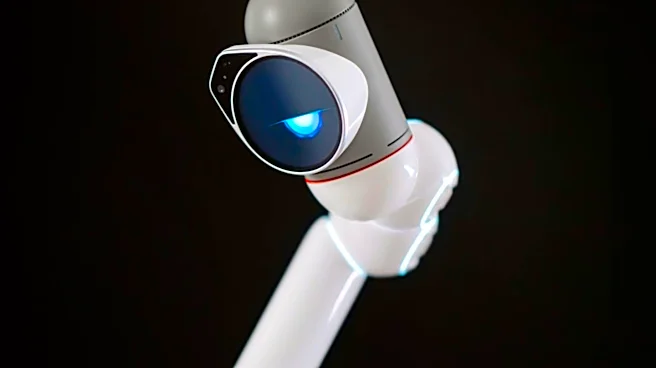
Hirebotics, a company specializing in collaborative robot solutions for metal fabrication, has launched the first explosion-proof collaborative robot (cobot) designed for industrial painting. This new solution, known as the Cobot Painter, is built using
Hirebotics' no-code Beacon platform and the Fanuc CRX-10iA/L Paint hardware. The Cobot Painter offers a practical alternative for metal fabricators and manufacturers who previously relied on costly and complex traditional automation lines or outsourced their coating work. The new system allows for in-house painting with high precision and flexibility, eliminating the need for dedicated paint cells and complex programming. The cobot can be deployed within days, significantly reducing lead times and improving control over quality and profit margins. It is designed to handle liquid paint, powder coating, and gel coating applications in hazardous environments, providing a consistent coat while minimizing paint waste and overspray.
Why It's Important?
The introduction of the Cobot Painter by Hirebotics represents a significant advancement in the manufacturing industry, particularly for small to medium-sized enterprises that may not have the resources to invest in traditional automated paint systems. By offering a no-code, explosion-proof solution, Hirebotics enables manufacturers to bring coating processes in-house, thus gaining greater control over production timelines and quality. This development could lead to increased efficiency and cost savings, as manufacturers can avoid the expenses associated with outsourcing and the complexities of traditional automation. Additionally, the ease of use of the Cobot Painter, which does not require robotics specialists, democratizes access to advanced manufacturing technologies, potentially leveling the playing field for smaller companies.
What's Next?
Future iterations of the Cobot Painter are expected to include line tracking capabilities, allowing the robot to paint parts in continuous motion along a production line. This enhancement will further increase the flexibility and efficiency of the system, making it suitable for a wider range of manufacturing environments. As the technology evolves, it is likely that more manufacturers will adopt such solutions, leading to broader changes in the industry. Stakeholders, including manufacturers and technology providers, will need to adapt to these advancements, potentially reshaping supply chains and production processes.