



What's Happening?
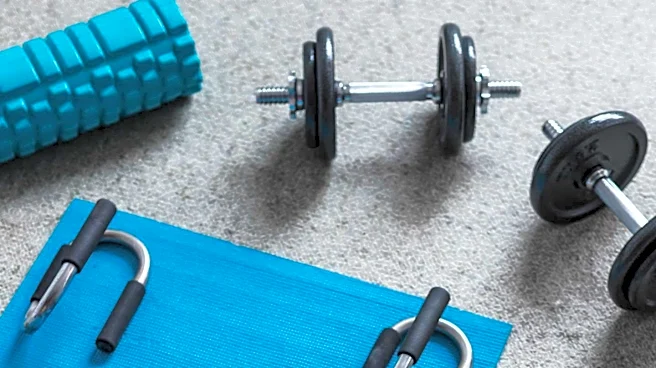
Many individuals find it challenging to maintain a consistent exercise routine due to time constraints, gym membership costs, and travel. Home workouts provide a practical alternative, requiring minimal space and no expensive equipment. Simple bodyweight
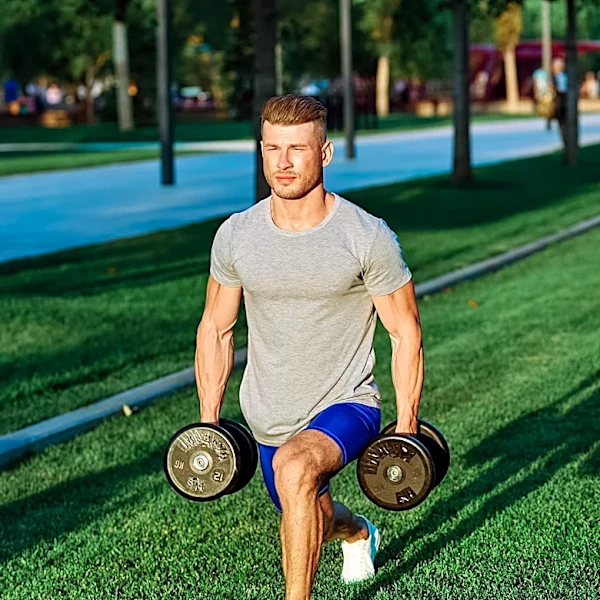
exercises like squats and lunges can effectively target major muscle groups. For instance, squats involve pushing hips backward as if sitting on a chair, bending knees, and then standing up, engaging the thighs, hips, and glutes. Lunges involve stepping one foot forward, bending both knees, and pushing back up, working the legs. Push-ups can be modified for beginners by starting against a wall or a raised surface before progressing to floor push-ups. Household items such as sturdy chairs, water bottles, or backpacks filled with books can be repurposed to add resistance and support to these exercises, making fitness accessible and adaptable to individual needs and environments. The key is to ensure stability and safety when using improvised equipment.
Why It's Important?
The accessibility of home workouts is crucial for promoting public health and well-being, especially for those with busy schedules or limited financial resources. By removing common barriers like gym commutes and membership fees, home-based fitness encourages more people to engage in regular physical activity. This can lead to improved cardiovascular health, increased strength, and better overall physical and mental well-being. The flexibility of home workouts allows individuals to integrate exercise seamlessly into their daily lives, fostering long-term adherence to fitness goals. Furthermore, the ability to use everyday items for resistance makes fitness more inclusive, ensuring that a lack of specialized equipment does not hinder participation. This approach empowers individuals to take control of their health without external dependencies, potentially reducing healthcare costs associated with sedentary lifestyles.
What's Next?
As awareness of the benefits and practicality of home workouts grows, there will likely be an increased demand for structured home workout plans, online fitness resources, and innovative ways to utilize household items for exercise. Fitness professionals and content creators may focus on developing more diverse and adaptable routines that cater to various fitness levels and equipment availability. The market for affordable, multi-functional home fitness accessories could also expand. Additionally, public health initiatives might promote home-based physical activity as a viable and sustainable option for meeting recommended exercise guidelines. Individuals are encouraged to experiment with different movements and gradually increase intensity, prioritizing proper form and safety, to build a consistent and effective home fitness regimen.
Beyond the Headlines
The rise of home workouts signifies a broader cultural shift towards personalized and self-sufficient health management. This trend challenges the traditional gym-centric model of fitness, emphasizing convenience and individual empowerment. It also highlights the ingenuity in adapting everyday environments and objects for health purposes, fostering a mindset of resourcefulness. Ethically, this movement promotes health equity by making fitness less dependent on socioeconomic status. Long-term, it could lead to a more integrated approach to wellness, where physical activity is not seen as a separate, scheduled event but as an intrinsic part of daily life. This shift may also influence urban planning and home design, with a greater emphasis on spaces that facilitate physical activity.