





What's Happening?
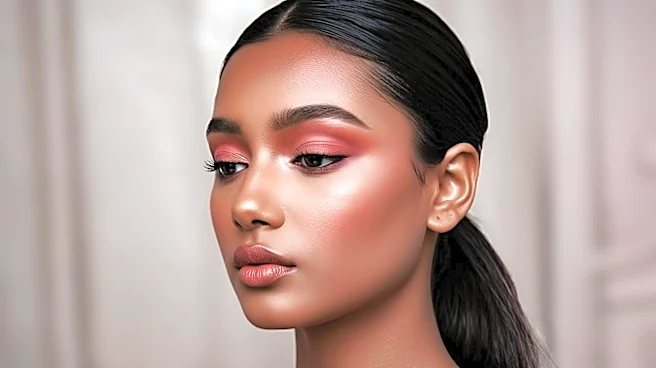
James Charles Dickinson, known professionally as James Charles, has achieved significant fame as an American internet personality, makeup artist, and model. Born on May 23, 1999, in Bethlehem, New York, Charles began his YouTube channel in 2015, initially
focusing on fashion and beauty content. His early video, 'No Filter Foundation | James Charles,' was pivotal, showcasing his ability to create flawless, full-coverage makeup looks without filters, which quickly resonated with viewers and led to a surge in his subscriber count. In 2016, Charles made history by becoming the first male spokesperson for a major cosmetics brand, CoverGirl, featuring in a commercial for their So Lashy! By BlastPro mascara. His career has also been bolstered by strategic collaborations with other prominent beauty influencers like Kylie Jenner, Manny MUA, and Jeffree Star, expanding his audience and solidifying his status in the beauty industry. Despite facing controversies, Charles has demonstrated a capacity to learn and grow, taking responsibility for past missteps and returning stronger.
Why It's Important?
James Charles' rise is significant as it highlights the evolving landscape of media and influence, particularly within the beauty industry. His success as a male makeup artist and model has challenged traditional gender norms and broadened the perception of who can be a beauty icon. By becoming the first male CoverGirl spokesperson, he broke barriers for male representation in mainstream cosmetics advertising, paving the way for greater inclusivity. His platform has also extended beyond beauty, as he actively advocates for LGBTQ+ rights and openly discusses mental health, encouraging his followers to prioritize their well-being. This influence, dubbed the 'James Charles Effect,' demonstrates the power of digital personalities to shape cultural conversations, inspire self-expression, and drive social change among younger generations. His career trajectory underscores the impact of authenticity, skill, and strategic digital engagement in building a powerful personal brand and influencing consumer behavior.
What's Next?
As James Charles continues to evolve his brand and content, foreseeable next steps include further diversification of his creative projects and potential expansion into other media ventures. Given his history of successful collaborations, he may continue to partner with major brands or fellow influencers, potentially exploring new product lines or content formats. His ongoing advocacy for LGBTQ+ rights and mental health suggests he will likely continue to use his platform for social causes, potentially engaging in more structured campaigns or partnerships with relevant organizations. The beauty industry, constantly seeking innovation and new voices, will likely continue to see Charles as a significant trendsetter, influencing product development and marketing strategies. His ability to navigate controversies and maintain a loyal following indicates a resilient career path, with continued engagement from his audience and the broader digital community.
Beyond the Headlines
Beyond his immediate impact on the beauty industry, James Charles' career signifies deeper shifts in cultural perceptions of gender, identity, and digital entrepreneurship. His prominence as a male makeup artist challenges long-standing societal norms about masculinity and beauty, contributing to a more fluid understanding of gender expression. This cultural shift has broader implications for marketing, education, and social acceptance, as younger generations increasingly embrace diverse identities. Ethically, his journey highlights the complexities of public figures navigating online scrutiny and the importance of accountability and growth in the digital age. Legally, his experiences with brand partnerships and intellectual property in the influencer space contribute to the evolving framework of digital commerce and content creation. Culturally, Charles represents a new archetype of celebrity, one built on direct audience engagement and personal authenticity, signaling a long-term shift in how influence is wielded and perceived in modern society.





