








What's Happening?
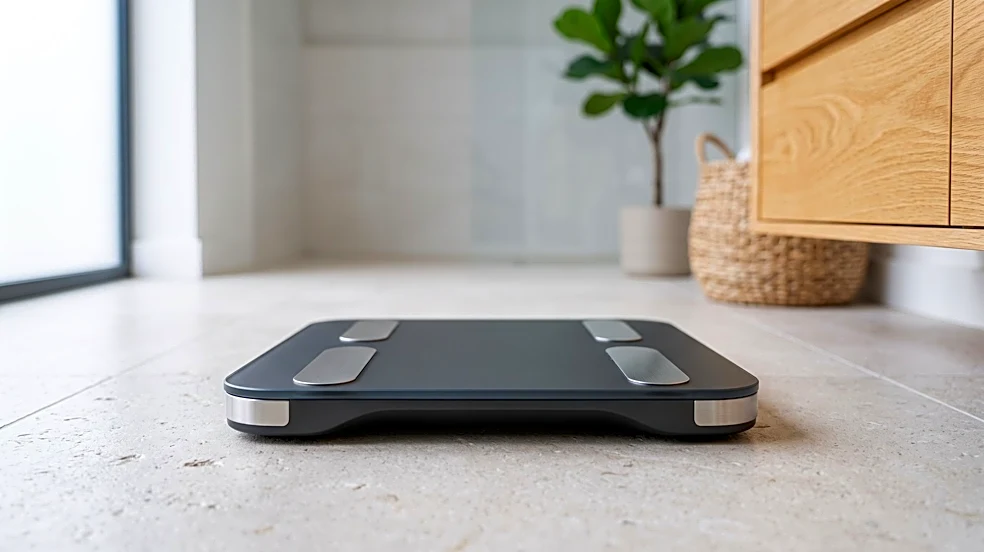
The RENPHO MorphoScan Nova smart scale is designed to assist individuals in tracking body recomposition, a process that involves simultaneously losing body fat and gaining muscle. Traditional scales often fail to show progress during body recomposition because
overall weight may remain stable even as body composition changes. The MorphoScan Nova, however, provides detailed metrics such as body fat percentage and muscle mass, allowing users to see these underlying shifts. This smart scale utilizes bioelectrical impedance analysis (BIA) to estimate body composition, offering insights into fat mass reduction and muscle mass maintenance or increase. The device is particularly useful for those engaged in progressive resistance training and evidence-based nutrition, as these are key drivers for successful body recomposition, according to a 2020 review in the Strength and Conditioning Journal. The scale helps users understand that a stable weight on a standard scale during such a regimen does not necessarily mean a lack of progress, but rather a positive change in body composition.
Why It's Important?
The ability of smart scales like the RENPHO MorphoScan Nova to track body recomposition is significant for public health and fitness in the U.S. Many individuals focus solely on weight loss, which can be misleading as it doesn't differentiate between fat and muscle. This can lead to frustration and abandonment of fitness goals when the number on a standard scale doesn't change. By providing detailed body composition data, these scales empower users to make more informed decisions about their diet and exercise routines. This is particularly crucial for addressing conditions like 'skinny fat,' or normal weight obesity, where individuals have a healthy weight but a high body fat percentage, which carries similar health risks to regular obesity. The insights from these scales can encourage sustained engagement in healthy lifestyle changes, potentially leading to better long-term health outcomes and a reduction in obesity-related health issues across the U.S. population.
What's Next?
As smart scale technology continues to advance, the focus will likely shift towards improving accuracy and integrating more comprehensive health tracking features. Future developments may include enhanced sensor technology, more sophisticated algorithms for body composition analysis, and seamless integration with other health and fitness platforms. There is also a growing need for clearer guidelines and educational resources to help consumers understand the capabilities and limitations of these devices, especially regarding the interpretation of bioelectrical impedance analysis (BIA) data, which can be influenced by factors like hydration. Manufacturers may also explore partnerships with healthcare providers to incorporate smart scale data into personalized health management plans, further bridging the gap between consumer fitness tracking and clinical health monitoring. This could lead to a more holistic approach to health and wellness, with smart scales playing a central role in preventive care and chronic disease management.
Beyond the Headlines
The rise of smart scales and body composition tracking highlights a broader cultural shift towards data-driven personal health management. This trend raises important questions about data privacy and security, as these devices collect sensitive health information. Consumers need to be aware of how their data is stored, used, and shared by manufacturers and associated apps. Furthermore, while smart scales offer valuable insights, it's crucial to remember they are not medical diagnostic tools. Over-reliance on these devices without professional medical advice could lead to misinterpretations of health data or inappropriate self-treatment. The emphasis on body recomposition also challenges traditional notions of 'healthy weight,' promoting a more nuanced understanding of health that prioritizes body composition over a single weight number. This could foster a healthier body image and a more sustainable approach to fitness, moving away from superficial weight loss goals towards genuine improvements in physical health and well-being.