







What's Happening?
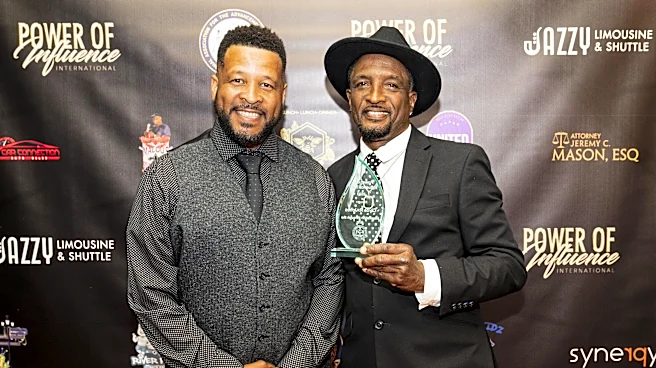
Goodfish Lake Business Corporation (GFLBC) has been honored by the Canadian Council for Indigenous Business (CCIB) with an award recognizing its significant contributions to the economic, social, and cultural well-being of Whitefish Lake #128. The CCIB grants
six such awards annually to Indigenous companies that meet specific criteria, including having at least 20 staff members or annual revenues exceeding $10 million, demonstrating financial stability, strong internal leadership, innovation, and a measurable sustained impact on their community over time. Tom Jackson, CEO of GFLBC, expressed pride in the achievement, noting that the award comes shortly after the company's 50th-anniversary celebration. GFLBC, which began in 1976 with a small dry-cleaning facility and a sewing club, now employs 140 people across four locations. Three-quarters of its employees are identified as Indigenous, with 88 being band members of Whitefish Lake #128. The company has diversified its operations to include the production of personal protective equipment, coveralls, and wet wash laundry services for work camps and the forestry industry, in addition to its original dry-cleaning services. Jackson highlighted that the company's success is a major source of pride for the Whitefish Lake #128 community, attributing its longevity to consistent support from various chiefs, councils, management, and employees over five decades. He also emphasized the importance of GFLBC's independence from the chief and council, a decision he described as highly beneficial for the nation.
Why It's Important?
This recognition of Goodfish Lake Business Corporation underscores the growing impact and success of Indigenous-owned businesses in North America. The award highlights a model of economic development that prioritizes community well-being, employment for Indigenous peoples, and sustainable growth. GFLBC's ability to expand from a small dry-cleaning service to a diversified enterprise employing 140 people, with a significant majority being Indigenous, demonstrates the potential for self-sustaining economic initiatives within Indigenous communities. The company's independence from direct political oversight, as noted by CEO Tom Jackson, suggests a governance structure that fosters business acumen and long-term stability, which could serve as a blueprint for other Indigenous enterprises. Furthermore, the company's contributions extend beyond employment, with CFO Noah Nemhara confirming that GFLBC provides donations to sports teams and dividends to the nation, which are then channeled into essential programs like public works, healthcare, and housing. This integrated approach to business and community development showcases how economic success can directly translate into improved social services and infrastructure, fostering a stronger, more resilient community.
What's Next?
The award and increased visibility for Goodfish Lake Business Corporation are expected to open new markets and opportunities, according to CEO Tom Jackson. This recognition could lead to further expansion of their services and product lines, potentially increasing employment opportunities for Whitefish Lake #128 band members and other Indigenous individuals. The company's continued growth in areas like personal protective equipment and industrial laundry services suggests a strategic adaptation to market demands, which is likely to continue. The model of an independently governed Indigenous business that reinvests in its community may also gain more attention, potentially inspiring similar initiatives in other Indigenous nations. As GFLBC continues to grow, it will likely seek to secure more contracts and partnerships, further solidifying its economic base and its capacity to contribute to community programs. The ongoing support from its independent board of directors, which includes both community members and external business experts, will be crucial in guiding its future strategic decisions and ensuring sustained impact.
Beyond the Headlines
The success of Goodfish Lake Business Corporation offers a compelling narrative about Indigenous self-determination and economic empowerment. Beyond the immediate business achievements, GFLBC represents a significant cultural and social anchor for the Whitefish Lake #128 community. Its long-standing presence and commitment to employing local Indigenous talent contribute to cultural preservation by providing stable livelihoods within the community, reducing the need for members to seek employment elsewhere. The company's reinvestment of profits into community programs, such as healthcare and housing, illustrates a holistic approach to wealth creation that prioritizes collective well-being over purely individual gain. This model challenges conventional corporate structures by embedding social responsibility directly into its operational framework. The independence of GFLBC from direct political influence, while maintaining strong community ties, highlights a sophisticated governance model that balances business efficiency with community accountability. This approach could foster greater trust and long-term sustainability, demonstrating how Indigenous businesses can thrive while simultaneously strengthening their cultural identity and social fabric.