




What's Happening?
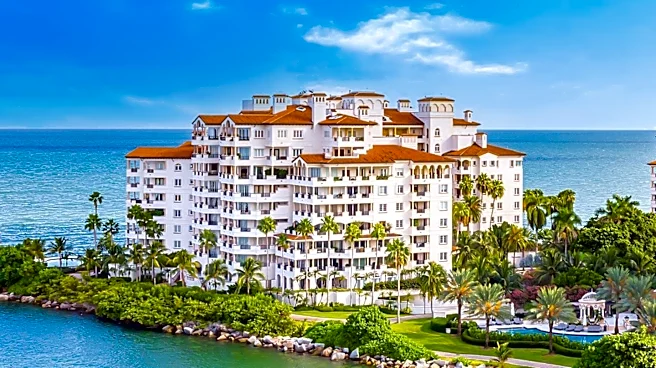
Oracle co-founder Larry Ellison has relisted his 8.4-acre oceanfront estate in North Palm Beach, Florida, for $165 million. This asking price is more than double the $80 million he paid for the property in 2021. The estate, located within the exclusive
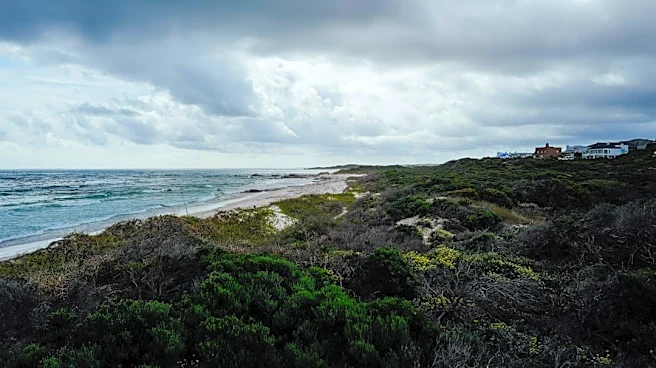
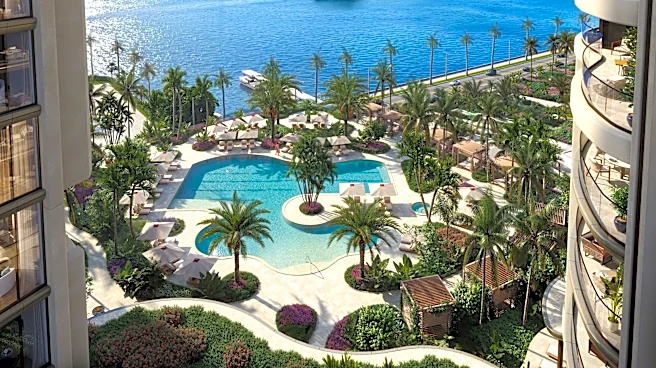
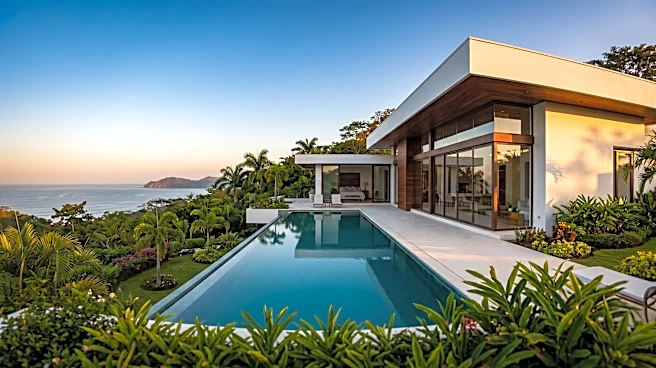
Seminole Landing gated community, was initially purchased by Ellison with plans to demolish the existing Mediterranean-style mansion, but these redevelopment plans were ultimately abandoned. The property remained largely unused as Ellison focused on expanding his other real estate holdings in South Florida. The main house on the estate spans 16,284 square feet, featuring seven bedrooms, eight full bathrooms, and five half-bathrooms. Additional amenities include a swimming pool and spa, a tennis court, a four-car garage, direct beach access, and a helipad. The property boasts 562 feet of Atlantic frontage, making it the third-largest oceanfront parcel in Palm Beach County. The current asking price translates to over $10,000 per square foot and approximately $20 million per acre.
Why It's Important?
The relisting of Larry Ellison's North Palm Beach estate for $165 million highlights the escalating demand and value of ultra-luxury waterfront properties in South Florida. If sold at this price, it would establish a new record for North Palm Beach, indicating a significant upward trend in the high-end real estate market. This trend suggests that despite broader economic conditions, the market for exclusive, large-acreage oceanfront properties remains robust, attracting ultra-high-net-worth individuals. The focus on the land and beachfront access, rather than the existing structure, underscores the premium placed on prime locations and expansive private spaces. This sale could further influence property valuations in the region, potentially driving up prices for similar estates and reinforcing South Florida's status as a premier destination for luxury real estate investment. The activity of prominent figures like Ellison in the real estate market often sets benchmarks and signals confidence in the long-term value of such assets.
What's Next?
The relisting of the North Palm Beach estate at a significantly higher price point will test the current appetite for ultra-luxury properties in the South Florida market. Potential buyers will likely be high-net-worth individuals seeking exclusive, large-acreage oceanfront properties. The outcome of this sale could influence future pricing strategies for other high-end real estate in the region. Should the property sell near its asking price, it would solidify North Palm Beach's position as a top-tier luxury market, potentially encouraging more high-value transactions. Conversely, if the property remains on the market for an extended period or sells for a lower amount, it might indicate a plateau or adjustment in the ultra-luxury segment. Ellison's continued expansion of his real estate portfolio in Manalapan, including recent acquisitions, suggests a strategic consolidation of his Florida holdings, and the sale of this North Palm Beach estate could free up capital for further investments or other ventures.
Beyond the Headlines
The substantial increase in the asking price for Larry Ellison's Florida estate, from $80 million to $165 million in five years, reflects more than just market appreciation; it points to a broader phenomenon of wealth concentration and the increasing scarcity of prime coastal real estate. This trend raises questions about accessibility and the widening gap between the ultra-rich and the general population, as such properties become exclusive assets for a select few. The decision to abandon demolition plans and instead relist the property suggests a shift in strategy, possibly driven by market conditions or a re-evaluation of the land's inherent value. This transaction, if successful, could further entrench the perception of luxury coastal properties as stable, high-return investments, potentially influencing zoning laws, environmental considerations, and local economies in affluent areas. The emphasis on land and beachfront access over existing structures also highlights a cultural value placed on privacy, space, and natural beauty among the ultra-wealthy, which can have long-term implications for coastal development and conservation efforts.