







What's Happening?
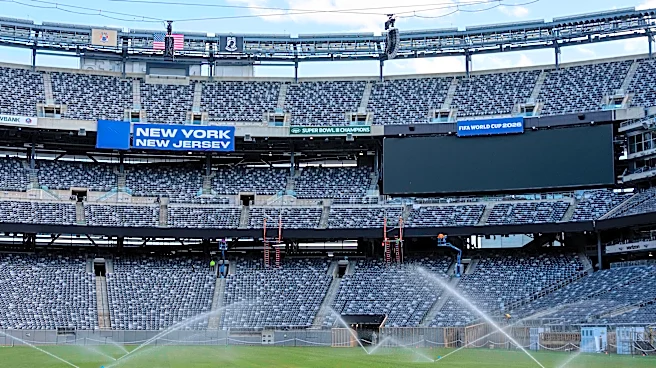
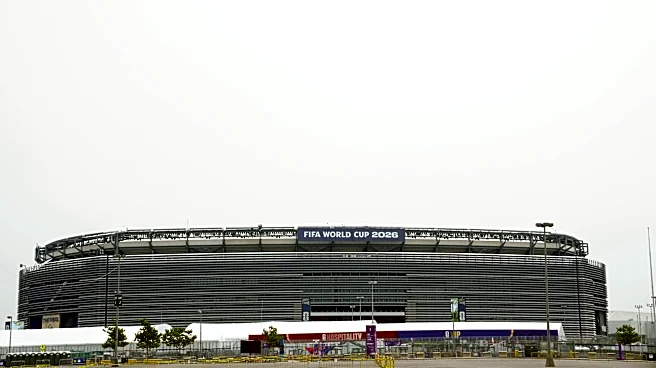
The World Cup final at MetLife Stadium in East Rutherford, New Jersey, narrowly avoided disruption from Canadian wildfire smoke thanks to recent rain showers. The smoke had previously led to hazardous air quality levels, prompting discussions between
the White House and FIFA about potentially relocating the event. However, the rain improved air quality significantly, reducing the Air Quality Index from a 'very unhealthful' level to a moderate level. The improved conditions have allowed the final to proceed as planned, although there remains a risk of smoke returning with shifting winds.
Why It's Important?
The ability to hold the World Cup final as scheduled is crucial for the event's success, given its global significance and the large number of attendees. The situation highlights the impact of climate change and environmental factors on major sporting events, emphasizing the need for adaptive strategies. The potential relocation of the event underscores the logistical and economic challenges posed by environmental disruptions. This incident serves as a reminder of the interconnectedness of global environmental issues and their local impacts.
What's Next?
Organizers and authorities will continue to monitor air quality and weather conditions closely to ensure the safety of participants and spectators. The experience may prompt future considerations for event planning, including contingency measures for environmental disruptions. The incident could also lead to increased awareness and advocacy for addressing climate change and its effects on public health and major events.