



What's Happening?
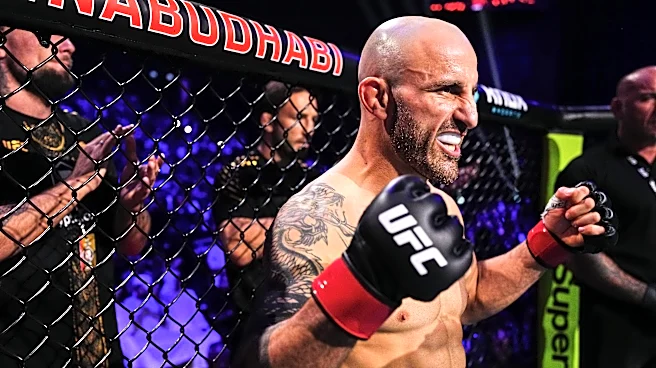
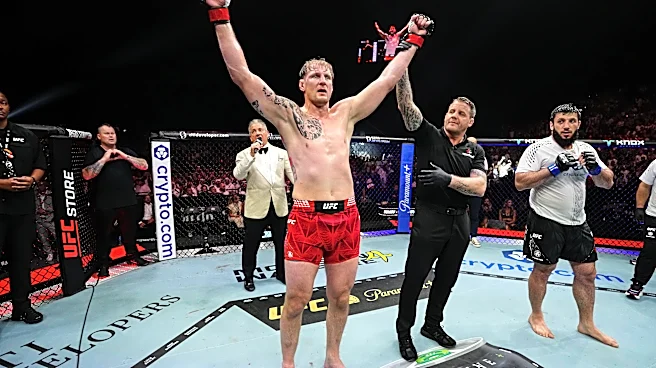
Alexander Volkov, a prominent Russian heavyweight fighter in the UFC, has announced he is no longer actively pursuing the UFC heavyweight title. Despite a strong record of seven wins in his last eight fights and 20 appearances in the UFC since 2016, Volkov has consistently
been overlooked for a title shot. This decision comes after Ciryl Gane was elevated to undisputed champion following Tom Aspinall's vacation of the title due to injury. Volkov expressed his frustration with the lack of opportunities, stating, 'I’m not hunting for this title and the belt. This belt doesn’t define me. I’m still a champion by myself.' He believes a true champion is defined by their record and clean fighting, not solely by holding the belt.
Why It's Important?
Volkov's decision highlights a significant issue within the UFC's ranking and title shot allocation system, where consistent performance does not always guarantee a championship opportunity. This situation can lead to disillusionment among fighters who feel their efforts are not adequately recognized, potentially impacting morale and career trajectories. For the UFC, it raises questions about the transparency and fairness of its matchmaking process, especially when fan-favorite fighters or those with strong records are bypassed. This could affect the competitive integrity of divisions and potentially lead to top talent seeking opportunities elsewhere if they feel their championship aspirations are continually thwarted. It also underscores the subjective nature of 'deserving' a title shot, often influenced by marketability and promotional narratives rather than solely athletic merit.
Beyond the Headlines
Volkov's statement, 'This belt doesn’t define me. I’m still a champion by myself,' reflects a deeper philosophical stance on what constitutes success and validation in professional sports. It challenges the conventional notion that a championship belt is the sole measure of a fighter's worth or skill. This perspective could resonate with other athletes who feel marginalized by promotional decisions, potentially fostering a broader conversation about athlete empowerment and alternative definitions of success beyond official titles. His emphasis on fighting clean and being a 'true martial artist' also subtly critiques aspects of the sport where rule-breaking or controversial incidents can sometimes lead to higher profile opportunities, suggesting a desire for a return to more traditional values within combat sports.