




What's Happening?
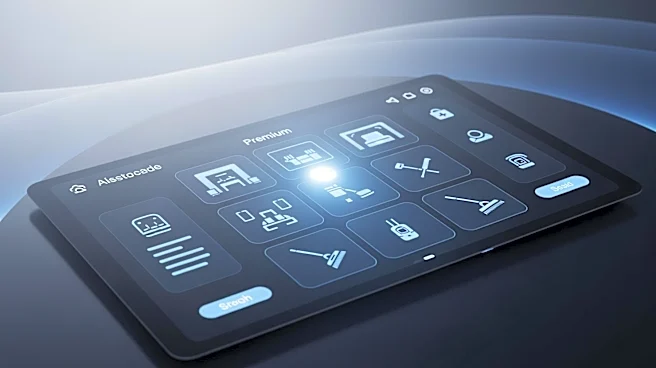
Shiji, a leader in hospitality technology, has introduced a significant enhancement to its Daylight Property Management System (PMS) by integrating task management directly into the housekeeping mobile app. This new feature, called 'Tasks per Room,' allows
housekeeping attendants to manage cleaning and guest requests within a single screen, eliminating the need to switch between different systems. The integration aims to streamline housekeeping workflows by embedding task management into the room-level view, thus reducing inefficiencies caused by fragmented processes and separate task lists. Tasks such as minibar refills, extra bed setups, and special guest requests are now visible in real-time within the 'Room to Clean' view, allowing attendants to complete tasks instantly, reassign, escalate, or reprioritize work as needed. This innovation is designed to improve room readiness and ensure that no tasks are missed.
Why It's Important?
The integration of task management into the Daylight PMS is crucial for the hospitality industry, which often faces challenges related to labor constraints and operational pressures. By streamlining housekeeping workflows, Shiji's enhancement reduces the coordination overhead between teams, eliminates manual task tracking, and minimizes paper processes. This leads to faster room turnaround times, improved guest experiences, and a more efficient operation overall. For hotels, this means a reduction in operational costs and an increase in guest satisfaction, as requests are handled more promptly and accurately. The feature also supports sustainability efforts by reducing paper usage, aligning with broader industry trends towards digital transformation and eco-friendly practices.
What's Next?
As hotels continue to adopt digital solutions to enhance operational efficiency, the integration of task management into housekeeping workflows is likely to become a standard practice. Shiji's enhancement is part of a broader vision to create a fully connected environment where operational workflows are not only digitized but also intelligently unified. This could lead to further innovations in property management systems, with potential expansions into other areas of hotel operations. Stakeholders in the hospitality industry may respond by investing in similar technologies to remain competitive and meet the evolving expectations of guests.