






What's Happening?
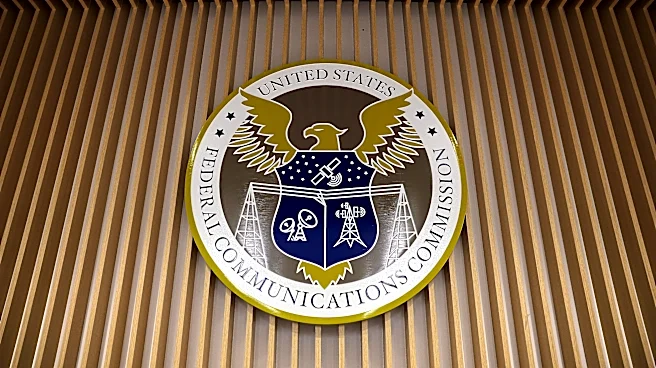
The Federal Communications Commission (FCC) has adopted new rules that will significantly restrict its recognition of certain test labs, telecommunication certification bodies (TCBs), and laboratory accreditation bodies (collectively, 'Test Labs') located
outside the U.S. and used for equipment authorizations. These new rules build upon previous FCC actions targeting 'Bad Labs' and will only permit reliance on Test Labs situated in a 'reciprocal economy.' A reciprocal economy is defined as a jurisdiction with which the U.S. has a Mutual Recognition Agreement (MRA) or a comparable government-to-government reciprocity agreement, such as a Free Trade Agreement (FTA) or Agreement on Reciprocal Trade (ART). The FCC has identified sixty-two countries that currently meet this criterion. The agency cites national security concerns, including instances of fraudulent or inaccurate test results from previously accredited labs, as the primary basis for these changes.
Why It's Important?
This decision is important for U.S. business and national security. It will impact equipment manufacturers that rely on foreign test labs for FCC equipment authorizations, particularly those in non-reciprocal economies. These manufacturers will need to shift their testing operations to facilities in reciprocal economies, which could involve significant logistical and financial adjustments. The new rules aim to enhance the integrity and reliability of the equipment authorization process, thereby bolstering national security by preventing potentially compromised or untrustworthy equipment from entering the U.S. market. While this move strengthens the security of U.S. communications infrastructure, it could also create new trade barriers and increase costs for some manufacturers, potentially affecting the availability and pricing of certain electronic devices for U.S. consumers.
What's Next?
The new rules include an approximately two-year transition period, ending December 1, 2028. After this date, all foreign Test Labs located in non-reciprocal countries will be barred from issuing FCC equipment authorizations and conducting related testing. The ban will not affect equipment authorizations granted or applications received before December 2028. The FCC will also seek comments on further proposals related to its equipment authorization rules, including whether to adopt a requirement to utilize the globally recognized Legal Identity Identifier for Test Labs and proposals to strengthen the integrity of the equipment authorization program by expanding sources used to identify prohibited entities. This indicates a continued focus on tightening controls and enhancing security in the equipment authorization process.
Beyond the Headlines
The deeper implications of these rules extend to the global standardization of testing and certification processes for electronic equipment. By emphasizing reciprocity agreements, the FCC is implicitly encouraging other nations to establish similar frameworks with the U.S., potentially leading to a more harmonized international approach to equipment authorization. This could foster greater trust and cooperation in global trade of telecommunications and IoT devices. However, it also highlights a growing trend of national security considerations influencing technical standards and trade policies. The move could prompt a re-evaluation of international partnerships and supply chains, pushing companies to prioritize security and compliance with U.S. regulations, even if it means restructuring their testing and manufacturing processes. This could ultimately lead to a more fragmented global market for electronic devices, with different standards and requirements based on geopolitical alliances.