







What's Happening?
Azealia Banks, the '212' rapper, has announced her relocation to Tel Aviv, Israel, a move she confirmed on X on October 6. This decision marks a significant shift from her 2018 statement where she vowed never to return to the country. Banks, 35, shared
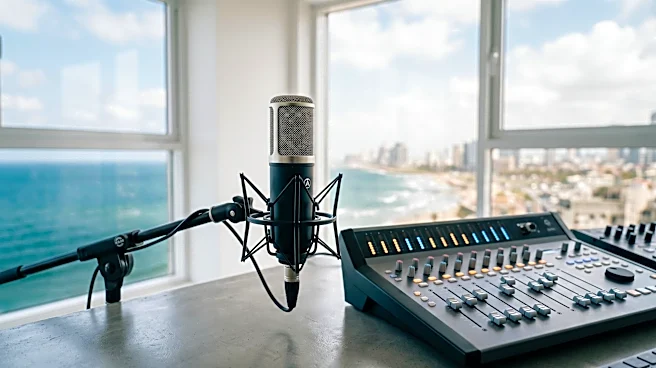
a photo of her new residence, expressing surprise at her contentment with the move. The announcement has garnered over a million views and thousands of likes, but also drew mixed reactions on social media, with some users referencing her past critical comments about Israel. Banks attributes her move to the city's mature arts scene and a perceived lack of social issues, which she claims has fostered a creatively freeing environment. She is reportedly working on a new album with Israeli producer Yinon Yahel, stating that she feels 'most creatively enabled' in years.
Why It's Important?
Azealia Banks' move to Tel Aviv and her public statements about the city's influence on her creative process highlight the potential for international cultural exchange to impact artistic output. Her decision to relocate, despite previous negative remarks about Israel, could be seen as a testament to the evolving nature of personal and artistic perspectives. For the music industry, this move could bring new collaborations and sounds, potentially introducing Israeli producers and artists to a wider international audience through Banks' platform. The mixed reactions on social media also underscore the ongoing public scrutiny faced by artists regarding their political stances and personal choices, particularly when those choices appear to contradict past statements. This situation reflects the broader trend of public figures navigating complex geopolitical landscapes while maintaining their artistic careers.
What's Next?
Following her relocation, Azealia Banks is expected to continue working on her new album in Tel Aviv with producer Yinon Yahel. The album's release will likely be a significant event, as fans and critics will be keen to hear how her new environment has influenced her music. The public's reaction to her new work, especially in light of her shifting views on Israel, will be closely watched. It remains to be seen whether her presence in Tel Aviv will lead to more collaborations with local artists or further engagement with the Israeli music scene. Additionally, her continued social media presence will likely keep discussions about her personal and political stances active, potentially influencing public perception of both the artist and the region.
Beyond the Headlines
Azealia Banks' move to Tel Aviv delves into deeper implications concerning artistic freedom, personal evolution, and the complexities of public perception. Her assertion that Tel Aviv's environment is 'freeing' due to a lack of social issues and grudges raises questions about the pressures artists face in their home countries versus abroad. This move could spark conversations about the role of an artist's personal politics in their creative output and how audiences reconcile an artist's past statements with their current actions. Ethically, it highlights the challenge of maintaining consistency in public opinion while allowing for personal growth and changing perspectives. Culturally, it underscores the global nature of the music industry and how artists seek environments that best foster their creativity, regardless of previous affiliations or controversies.