





What's Happening?
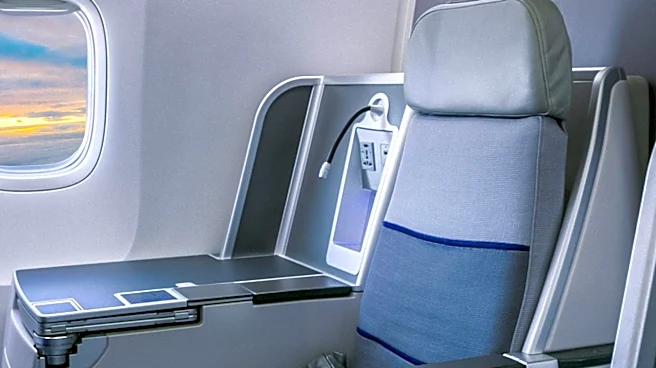
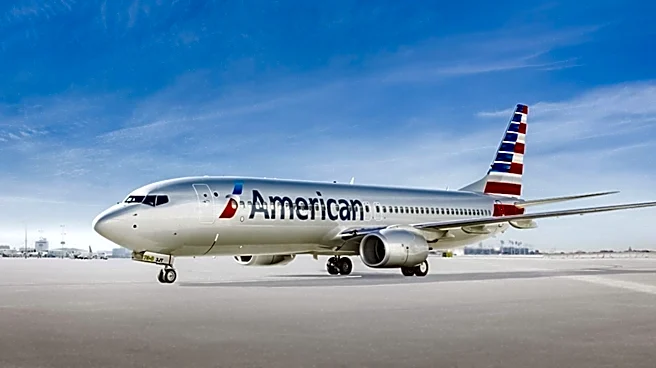
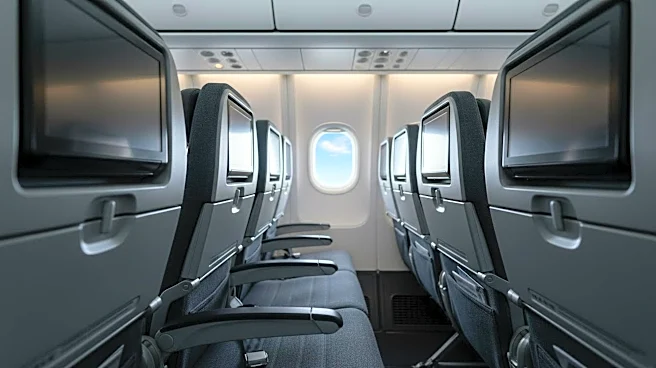
American Airlines has unveiled plans for a significant technological upgrade to its narrowbody aircraft fleet, set to begin in 2028. This overhaul will introduce 4K screens at every seat, equipped with Bluetooth audio connectivity, and will replace USB-A
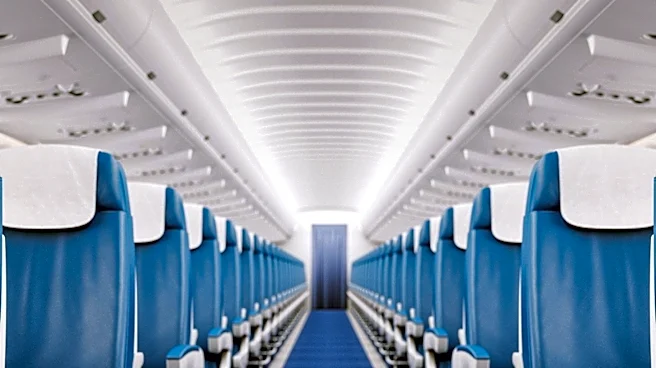
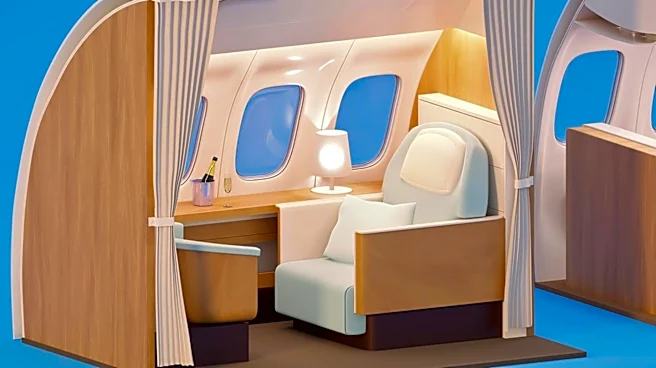
charging ports with USB-C. The airline aims to install these 'industry-leading' screens on all new planes delivered from 2028 onwards, as well as on retrofitted aircraft undergoing cabin overhauls. This move marks a reversal from American Airlines' previous strategy nearly a decade ago, when it removed seatback screens, betting on passengers using their own devices and aiming to save on fuel costs. The new system will also feature personalized entertainment, enhanced flight maps with destination information, and real-time flight insights. This initiative will coincide with American's adoption of Starlink high-speed internet, scheduled to begin in 2027. Additionally, the airline plans to increase the number of First Class and Main Cabin Extra seats on its Airbus A319 and A320 fleets, with new Boeing 737 Max 10 and Airbus A321neo aircraft boasting 24 First Class seats.
Why It's Important?
This technological overhaul by American Airlines is a critical development for the U.S. airline industry, signaling a renewed focus on in-flight passenger experience and competitive differentiation. By investing in 4K seatback screens and Bluetooth connectivity, American aims to catch up with and potentially surpass competitors like Delta and United, who have prioritized in-flight entertainment. This move could significantly enhance customer satisfaction, particularly for domestic and Caribbean routes served by narrowbody planes, potentially attracting more premium travelers. For the broader business landscape, it highlights the ongoing arms race among airlines to offer superior amenities, which can influence market share and pricing strategies. The shift to USB-C ports also reflects an adaptation to current consumer technology trends, ensuring passengers can conveniently charge their modern devices. This investment in passenger comfort and connectivity is crucial for American Airlines to remain competitive in a market where customer experience increasingly dictates loyalty and preference.
What's Next?
The implementation of American Airlines' tech overhaul will unfold over several years, starting in 2028. Passengers can expect to gradually see these new features on newer aircraft and retrofitted planes. The airline will likely focus on a phased rollout, prioritizing certain routes or aircraft types first. Competitors like Delta and United will be closely monitoring American's progress and passenger reception, potentially influencing their own future investment decisions in in-flight technology. The integration of Starlink high-speed internet in 2027 will precede the screen rollout, creating a more connected ecosystem for passengers. American Airlines will also need to manage the transition carefully, addressing any potential operational challenges during the retrofitting process. The success of this initiative will be measured by customer feedback, increased passenger loyalty, and its impact on the airline's market position and revenue streams in the highly competitive U.S. aviation sector.
Beyond the Headlines
American Airlines' decision to reintroduce and significantly upgrade seatback entertainment systems reflects a deeper understanding of evolving consumer expectations in the digital age. The initial removal of screens, based on the assumption that personal devices would suffice, proved to be a miscalculation in a market where premium experiences and seamless connectivity are increasingly valued. This pivot underscores the importance of continuous adaptation to technological advancements and passenger preferences in the service industry. Ethically, it raises questions about digital equity in travel, as access to high-quality entertainment and charging options becomes a standard expectation. The move also highlights the environmental considerations of adding weight to aircraft, though the benefits of enhanced customer experience are now seemingly outweighing the fuel efficiency gains from lighter cabins. This strategic shift could set a new benchmark for in-flight amenities across the U.S. airline industry, pushing other carriers to innovate further in their passenger offerings.