

What's Happening?
The Vessyl, a new adults-only wellness retreat located on 118 acres of tropical rainforest beneath Arenal Volcano in Costa Rica, is pioneering a unique approach to wellness travel, focusing on what the Global Wellness Institute has identified as a major
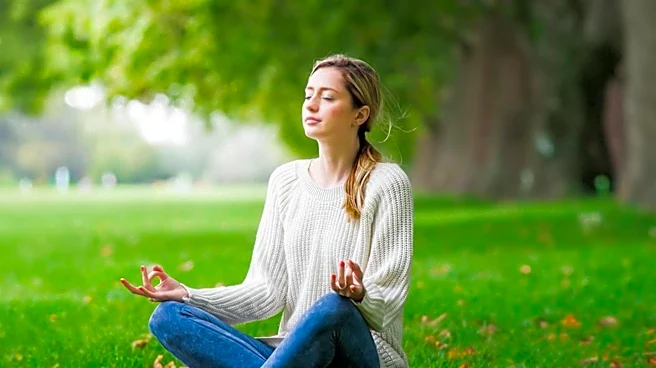
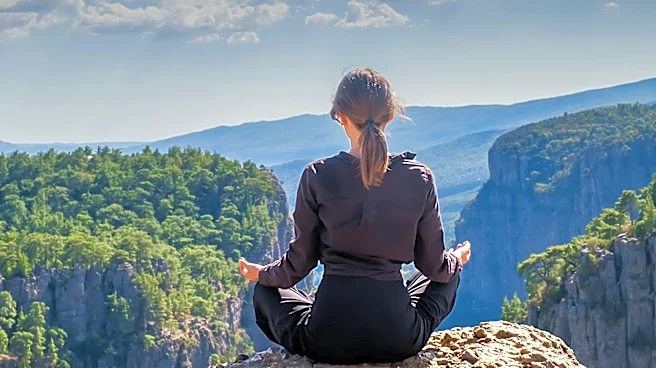
trend for 2026: the 'nervous system reset.' Founded by Josh Stanley, known for his work with Charlotte's Web CBD, The Vessyl offers a diverse range of practices aimed at helping guests recover from overstimulation rather than pushing for harder optimization. The retreat's offerings include immersive sound experiences, breathwork, heat and cold therapies, movement, meditation, and interactions with horses, alongside more esoteric practices like Qigong, Human Design, numerology, and Quantum Soul Sessions. A central feature is the 'Frequency Dome,' a circular sanctuary developed with Grammy Award-winning acoustician George Augspurger, which combines spatial audio, immersive projection, programmable lighting, and a vibrating floor to create profound sensory experiences. The Vessyl emphasizes a non-rigid itinerary, allowing guests to explore practices at their own comfort level, with the goal of achieving a different, more settled headspace.
Why It's Important?
The Vessyl retreat signifies an evolving trend in the U.S. wellness travel market, moving beyond traditional spa treatments to more immersive and holistic experiences focused on mental and emotional well-being. The emphasis on 'nervous system reset' directly addresses the growing issues of chronic stress, digital fatigue, and overstimulation prevalent in modern American society. This shift indicates a demand for travel that offers genuine restoration and mental clarity, rather than just physical relaxation. For the U.S. travel and hospitality industry, this model presents an opportunity to innovate and develop similar high-end, experience-driven wellness destinations. The involvement of Josh Stanley, a figure associated with the mainstreaming of CBD, highlights the increasing acceptance and integration of alternative wellness practices into mainstream offerings. The retreat's blend of scientifically familiar and esoteric practices also reflects a broader consumer openness to diverse healing modalities. This trend could influence how U.S. resorts and wellness centers design their programs, potentially leading to more personalized, technology-enhanced, and deeply immersive experiences that cater to a population seeking profound mental and emotional recalibration.
What's Next?
The success and model of The Vessyl retreat could inspire similar developments in the U.S. wellness tourism sector. As the 'nervous system reset' gains traction as a wellness trend, more retreats and hotels in the U.S. may begin to incorporate advanced sensory technologies, specialized breathwork, and mindfulness programs. There could be an increased focus on creating environments that actively reduce overstimulation and promote deep relaxation, moving away from 'optimization' culture. The integration of diverse practices, from traditional movement therapies to more esoteric approaches, suggests a future where wellness offerings are highly personalized and cater to a wide spectrum of individual needs and beliefs. Furthermore, the emphasis on leaving guests with a 'different headspace' rather than just a temporary escape indicates a potential shift towards more transformative and lasting wellness outcomes from travel experiences. This could lead to a greater demand for qualified practitioners in these specialized fields and a re-evaluation of how wellness travel is marketed and delivered to U.S. consumers.
Beyond the Headlines
The Vessyl's approach to wellness travel touches upon deeper societal implications regarding our relationship with technology, stress, and the pursuit of well-being. The concept of a 'nervous system reset' implicitly acknowledges the pervasive impact of modern life on mental health, suggesting a collective yearning for disconnection and recalibration. The retreat's use of advanced technology, like the Frequency Dome, alongside ancient practices and nature immersion, highlights a fascinating convergence of science and spirituality in the quest for inner balance. This blend challenges conventional notions of healing and wellness, prompting questions about the efficacy of non-traditional therapies and the role of sensory experiences in mental health. Ethically, the retreat's non-prescriptive approach, allowing guests to choose their comfort level, respects individual autonomy in the healing process. The broader implication is a potential redefinition of 'luxury' in travel, shifting from opulent amenities to profound, personalized experiences that address the fundamental human need for peace and clarity in a chaotic world.