




What's Happening?
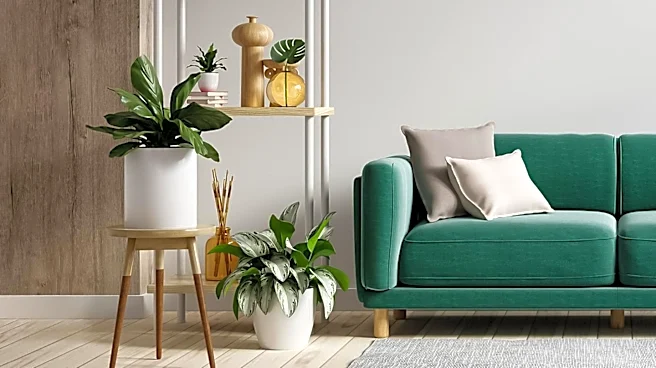
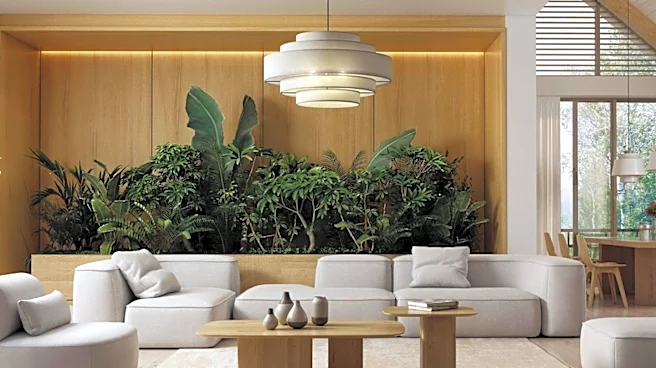
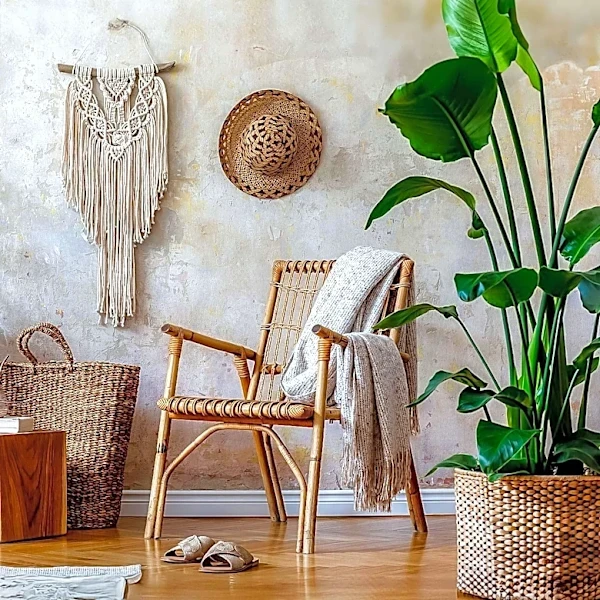
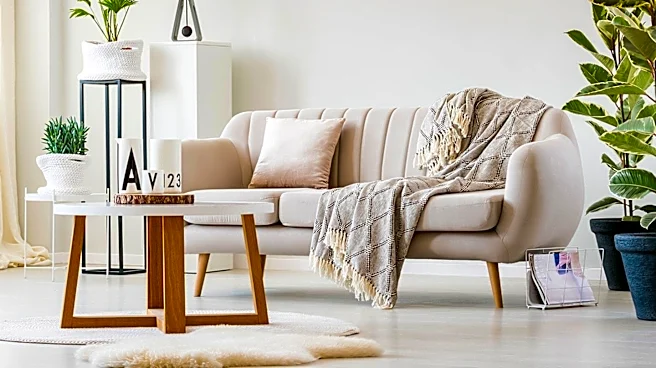
Scandinavian minimalism is a design philosophy that prioritizes light, functionality, and the concept of 'hygge,' which translates to coziness. This approach aims to create living spaces that feel airy during warmer months and warm in colder seasons,
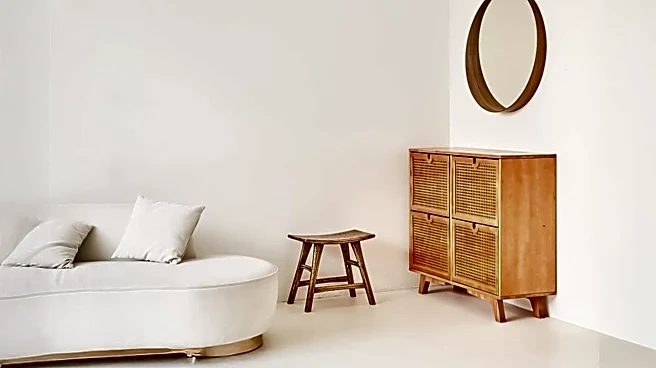
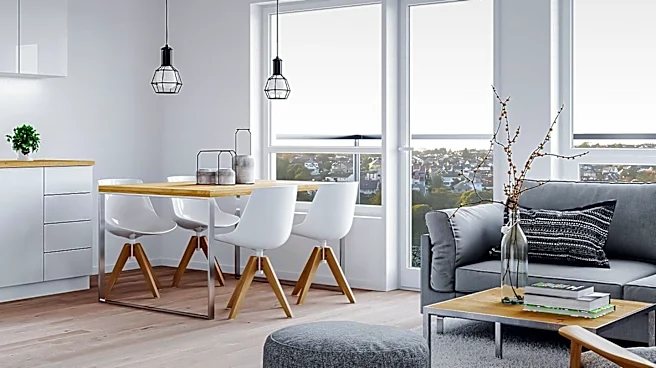
deliberately avoiding a sterile appearance. Key elements of this style include the use of light-colored wood, soft whites, and natural textiles. The design also focuses on minimizing clutter to ensure the space feels lived-in and inviting. This style is particularly well-suited for compact spaces, as it emphasizes reflecting light, maintaining clean visual lines, and maximizing negative space to create an illusion of openness and tranquility. The core idea is to blend aesthetic appeal with practical living, ensuring that every design choice contributes to both the beauty and usability of the home environment.
Why It's Important?
The emphasis on Scandinavian minimalism in home design reflects a broader cultural shift towards intentional living and well-being, impacting the U.S. interior design and furniture industries. This design trend offers a counter-narrative to consumerism by promoting decluttering and thoughtful selection of items, which can influence purchasing habits in the home goods market. For consumers, adopting this style can lead to more functional and calming living environments, potentially improving mental well-being. Businesses in the furniture, textile, and home decor sectors are adapting by offering products that align with these principles, such as light wood furniture, neutral-toned fabrics, and minimalist decor. This trend also highlights the growing appreciation for sustainable and natural materials, pushing manufacturers to consider more eco-friendly production methods. The popularity of 'hygge' underscores a desire for comfort and warmth in homes, influencing how spaces are designed and utilized across various demographics.
What's Next?
The continued popularity of Scandinavian minimalism is likely to drive further innovation in the U.S. home design market. We can expect to see an increased availability of furniture and decor that embodies these principles, with a focus on multi-functional pieces and sustainable materials. Retailers may expand their collections to include more light-toned woods, natural fibers, and minimalist designs to cater to this growing demand. Additionally, interior designers and architects may integrate Scandinavian principles more frequently into their projects, particularly for urban living spaces where maximizing light and space is crucial. Educational content and workshops on decluttering and creating 'hygge' environments could also become more prevalent, empowering consumers to adopt these design philosophies in their own homes. The trend may also influence the real estate market, with properties featuring Scandinavian-inspired interiors potentially appealing to a wider range of buyers seeking modern, functional, and serene living spaces.
Beyond the Headlines
Beyond its aesthetic appeal, Scandinavian minimalism carries deeper implications for lifestyle and consumer behavior in the U.S. The philosophy encourages a mindful approach to consumption, prompting individuals to invest in quality, durable items rather than disposable trends. This shift can lead to a reduction in waste and a greater appreciation for craftsmanship. Culturally, the emphasis on 'hygge' promotes a focus on comfort, community, and simple pleasures, which can serve as an antidote to the fast-paced, high-stress modern lifestyle. Ethically, the preference for natural and sustainable materials in Scandinavian design can push industries towards more responsible sourcing and manufacturing practices. This design movement is not just about decorating a home; it's about cultivating a lifestyle that values simplicity, functionality, and well-being, potentially fostering a more conscious and sustainable approach to living across various aspects of American society.