





What's Happening?
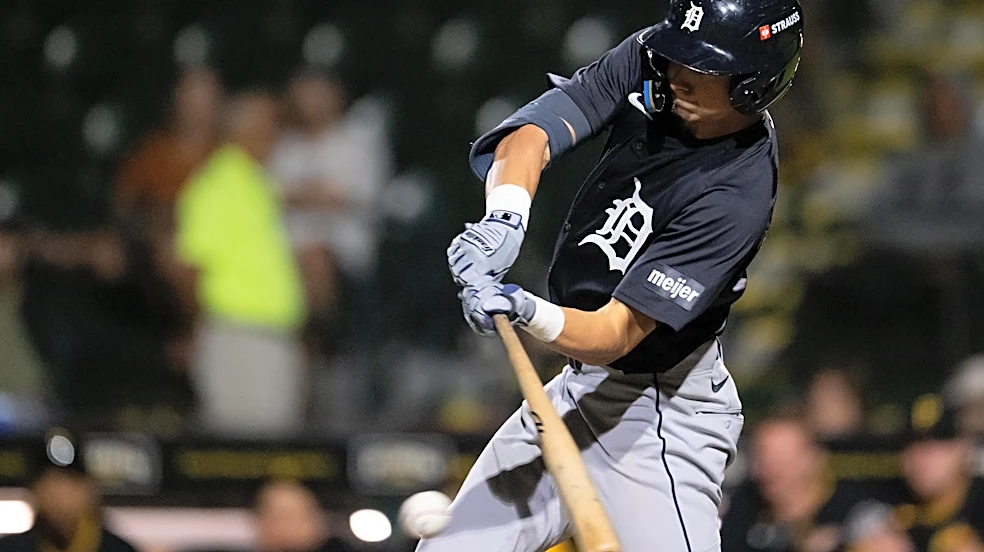
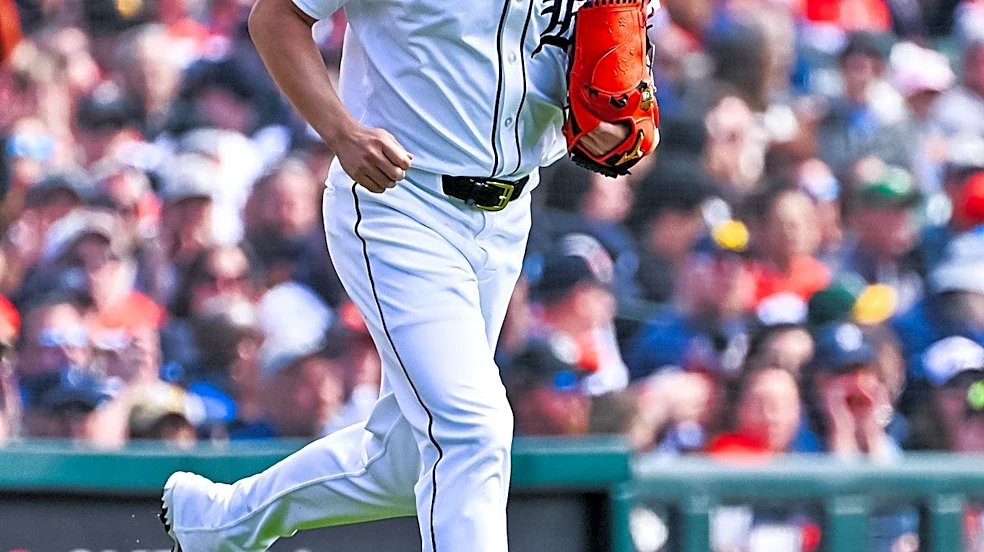
Zack Gelof, an infielder for the Athletics, has filed a lawsuit against the Detroit Tigers, alleging that a knee injury he sustained in July was caused by an exposed metal fence at Comerica Park. The lawsuit, filed in Wayne County (Mich.) Circuit Court,
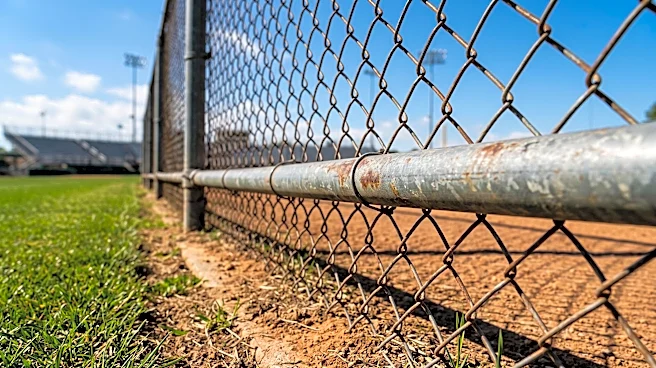
also names team owner Ilitch Holdings and the Detroit-Wayne County Stadium Authority as defendants. Gelof, 26, suffered the injury on July 9 while playing left field during a game against the Tigers. He claims that his right knee violently struck an exposed metal fence that protruded into or alongside the playing area as he made a sliding catch on a foul ball. The collision reportedly tore his uniform and caused a deep laceration beneath his right kneecap, narrowly missing the patellar tendon. Gelof was out of the lineup for a month, returning on August 10.
Why It's Important?
This lawsuit highlights critical safety concerns within professional sports venues and the responsibilities of team owners and stadium authorities to ensure player safety. The allegation that a dangerous, exposed metal fence caused a significant injury to a professional athlete raises questions about the adequacy of safety protocols and facility maintenance at Comerica Park. Such incidents can have severe consequences for athletes, impacting their careers, physical health, and financial well-being. For sports organizations, a successful lawsuit could lead to substantial financial penalties, reputational damage, and increased scrutiny over stadium safety standards across the league. It also underscores the potential for legal action when perceived negligence leads to player harm, setting a precedent for how player injuries are addressed in the context of venue safety.
What's Next?
The Detroit Tigers have stated they are aware of the lawsuit but will not comment on pending litigation. The legal process will likely involve discovery, where both sides gather evidence, including stadium design plans, maintenance records, and medical reports related to Gelof's injury. Gelof is seeking unspecified compensation for pain and suffering, economic loss, lost wages, emotional and mental distress, medical bills, and attorney fees. The lawsuit claims negligence on the part of the team and ballpark, noting that padding was installed in the area shortly after the incident, which Gelof's attorney, Jon Marko, argues indicates prior knowledge of a hazard. The outcome of this case could influence future stadium safety regulations and liability standards in professional baseball.
Beyond the Headlines
This incident extends beyond a single player's injury, touching upon broader issues of workplace safety in high-stakes professional sports. The comparison made by Gelof's attorney to a "little league diamond" being safer suggests a perceived disparity in safety standards between amateur and professional facilities, which could spark a wider debate on player protection. The case also brings to light the financial and personal toll injuries can take on athletes, even those with lucrative contracts. It may encourage players' associations to advocate for more stringent safety inspections and standards across all professional sports venues, potentially leading to industry-wide changes in how stadiums are designed, maintained, and made safe for athletes.