






What's Happening?
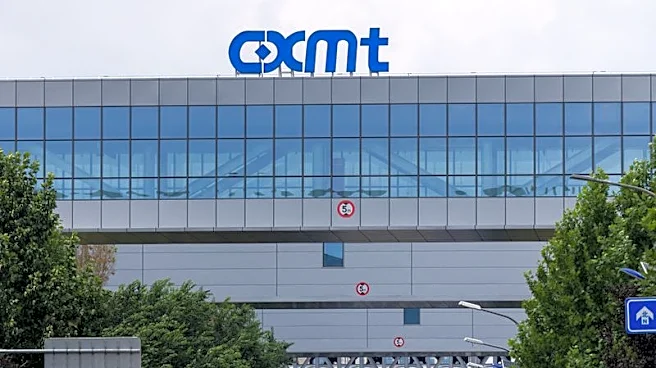
The U.S. government is reportedly considering a ban on the import of new Chinese-made optical transceivers, a move that could significantly impact the global supply chain. This potential policy is aimed at protecting key infrastructure supporting the AI
boom in the U.S. The ban is expected to affect major Chinese suppliers like Zhongji Xuchuang, which could face challenges in maintaining their market position. The news has already influenced the stock market, with shares of U.S. optical communication companies like AAOI and Lumentum seeing significant gains. The policy is still under review, with officials hoping to announce it by 2026.
Why It's Important?
The proposed ban is significant as it underscores the ongoing trade tensions between the U.S. and China, particularly in the tech sector. By restricting Chinese imports, the U.S. aims to bolster its domestic manufacturing capabilities and reduce dependency on foreign technology. This move could benefit U.S. companies by increasing demand for domestically produced optical components. However, it also risks disrupting global supply chains, potentially leading to increased costs and delays in the tech industry. The policy could also prompt Chinese companies to seek alternative markets or adjust their production strategies.
What's Next?
If the ban is implemented, U.S. companies may need to ramp up production to meet increased demand. This could lead to investments in new manufacturing facilities and technology development. Additionally, Chinese companies might explore partnerships or production shifts to other regions to mitigate the impact. The policy's announcement could trigger responses from international trade bodies and affect diplomatic relations between the U.S. and China. Stakeholders in the tech industry will be closely monitoring the situation to adapt their strategies accordingly.