

What's Happening?
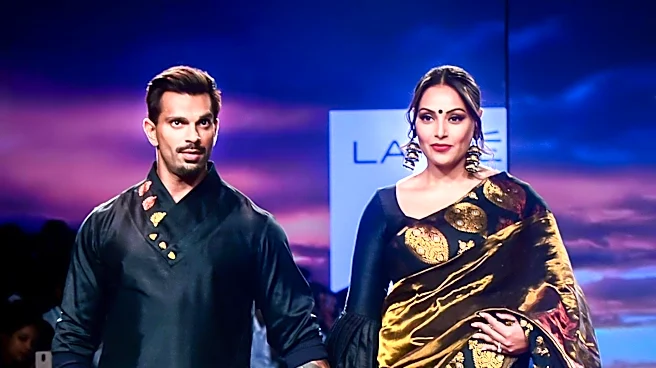
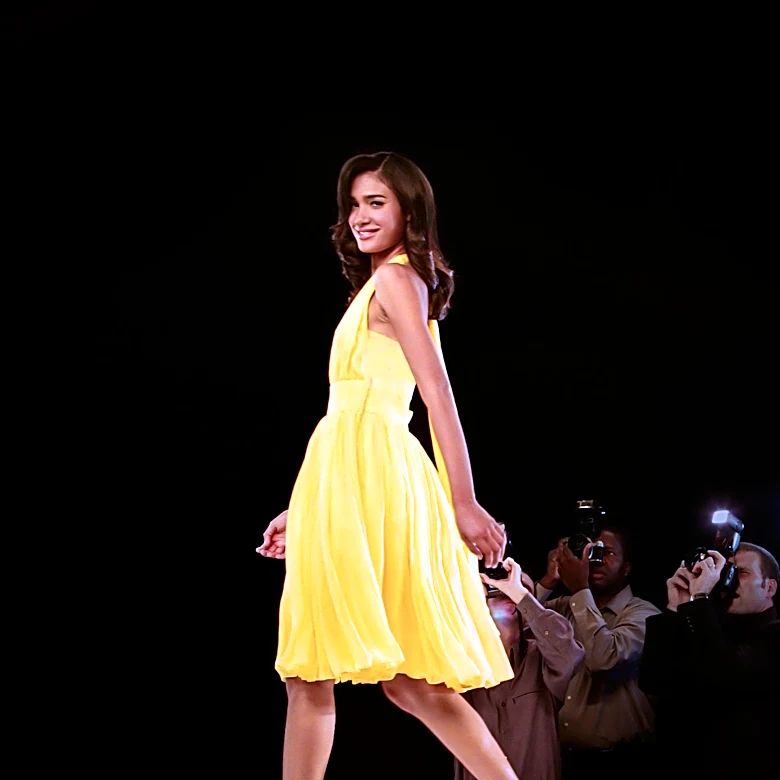
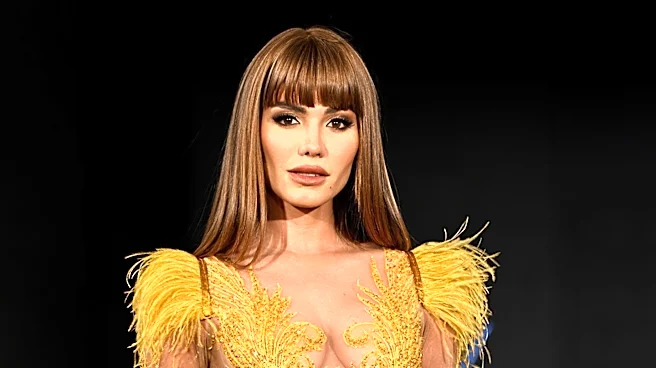
Fashion Week serves as a crucial platform for models, designers, and fashion enthusiasts to experience the latest trends. Models are central to this event, embodying designers' visions and bringing collections to life on the runway and in photoshoots.
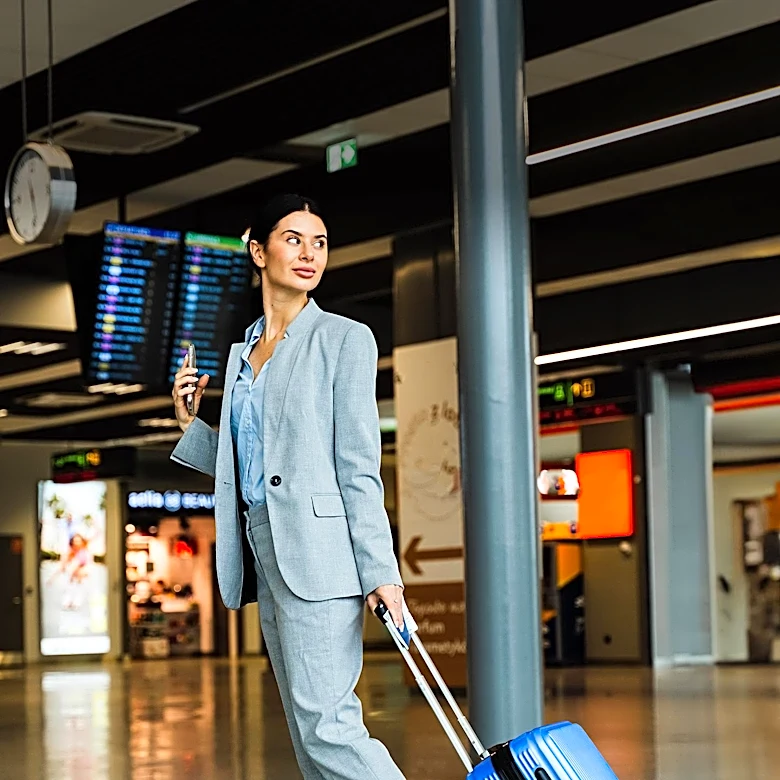
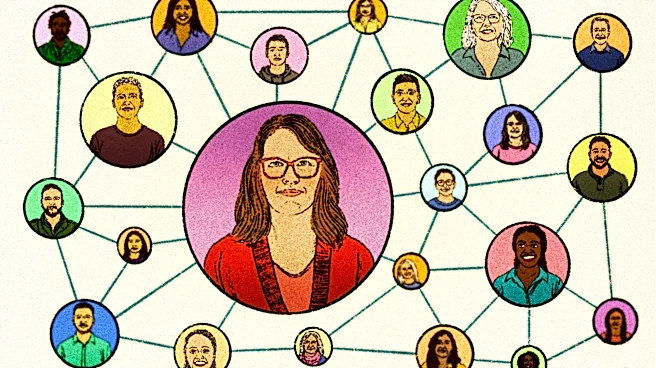
Their performances are essential for conveying the mood, style, and essence of each collection. Beyond showcasing designs, Fashion Week also provides significant networking opportunities for models to connect with designers, photographers, and other industry insiders. These interactions are vital for potential future collaborations and career advancement. To prepare, models must maintain a healthy lifestyle, update their portfolios with diverse work, and attend casting calls professionally. Essential packing for Fashion Week includes a range of outfits for various occasions, comfortable footwear, and networking materials like business cards. Key events for models include runway shows, after-parties for networking, and workshops or panels to enhance skills and learn from industry leaders.
Why It's Important?
The role of models during Fashion Week extends beyond simply wearing clothes; they are integral to the commercial and artistic success of the event. Their ability to authentically represent a designer's vision directly influences how collections are perceived by buyers, media, and the public. This directly impacts sales and brand recognition for designers. For models, Fashion Week is a critical career-building opportunity, offering unparalleled exposure and direct access to decision-makers in the fashion industry. Successful networking can lead to long-term contracts, editorial features, and increased visibility, which are essential for career longevity and financial stability in a highly competitive field. The professionalism and preparation of models contribute significantly to the overall success and impact of Fashion Week as a global fashion event, shaping future trends and consumer preferences.
What's Next?
Following Fashion Week, models will likely engage in follow-up activities, including connecting with industry contacts made during the events via platforms like LinkedIn. Successful appearances and networking can lead to new bookings for campaigns, editorials, and future runway shows. Designers will assess the reception of their collections, using feedback to inform future designs and marketing strategies. The trends showcased during Fashion Week will begin to influence retail collections and consumer fashion choices in the coming seasons. For models, maintaining professionalism and continuously updating their portfolios will be crucial for capitalizing on the momentum gained from Fashion Week. The industry will also begin preparations for the next cycle of fashion weeks, with casting calls and designer selections commencing in the months ahead.
Beyond the Headlines
The intense schedule and high-pressure environment of Fashion Week highlight broader issues within the fashion industry, including the demands placed on models. The emphasis on physical appearance and constant performance can impact models' well-being, underscoring the need for industry support systems and ethical practices. The networking aspect also reveals the importance of personal branding and relationship-building in creative industries, where connections can be as valuable as talent. Furthermore, the global nature of Fashion Week, with events in major cities worldwide, reflects the interconnectedness of the fashion economy and its cultural influence. The rise of social media also means that models' presence extends beyond the runway, with their online persona becoming an increasingly important part of their professional identity and marketability.