






What's Happening?
Ralph Lauren, along with other luxury brands, is increasingly focusing on older menswear shoppers, a demographic often overlooked in favor of younger generations. This shift is highlighted by Ralph Lauren's current promotional strategies, such as offering
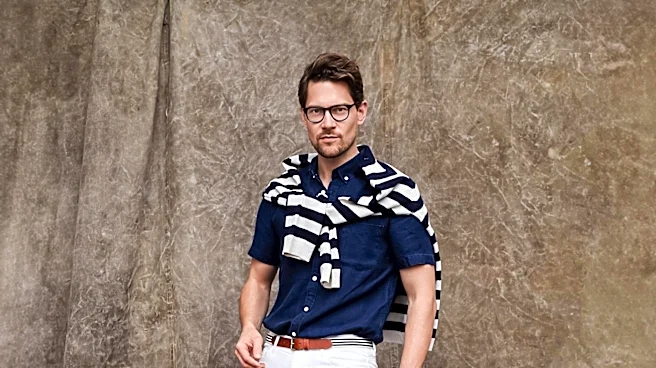
significant discounts on products like the Polo Blue cologne. The brand is part of a broader trend where luxury labels are recognizing the purchasing power and style preferences of Gen X and baby boomer consumers. These older shoppers are noted for their loyalty, decisiveness, and preference for quality over fleeting trends. Brands like Zegna and Loro Piana have successfully engaged this demographic by featuring older cultural figures in their campaigns, thereby aligning with the values and expectations of mature consumers.
Why It's Important?
The focus on older menswear shoppers is significant as it addresses a substantial market segment with considerable spending power. According to industry insights, Gen X and baby boomers account for a large portion of global spending, with baby boomers holding half of the U.S. household wealth. By catering to this demographic, brands like Ralph Lauren can tap into a stable and lucrative customer base that values quality, craftsmanship, and personalized service. This shift also reflects a broader industry trend where brands are moving away from solely targeting younger consumers, who may be less brand loyal and more trend-driven. The strategic pivot towards older consumers could lead to increased brand loyalty and sustained revenue growth for luxury brands.
What's Next?
As brands continue to recognize the value of older consumers, it is likely that more will adopt marketing strategies that emphasize quality, heritage, and personalized service. This could involve more campaigns featuring older models and cultural figures, as well as enhanced in-store experiences that cater to the preferences of mature shoppers. Additionally, brands may expand their product lines to include items that appeal specifically to the tastes and lifestyles of older consumers. The success of these strategies could prompt a reevaluation of marketing priorities across the fashion industry, potentially leading to a more balanced approach that values both younger and older demographics.
Beyond the Headlines
The shift towards targeting older menswear shoppers also raises questions about inclusivity and representation in fashion marketing. By featuring older models and cultural figures, brands can challenge age-related stereotypes and promote a more diverse image of style and sophistication. This approach not only appeals to older consumers but also sets a precedent for inclusivity that could influence other sectors. Furthermore, the emphasis on quality and service over trends may encourage a more sustainable approach to fashion consumption, as consumers prioritize long-lasting, well-crafted items over fast fashion.