







What's Happening?
A dietitian has identified several common foods that are beneficial for brain health, emphasizing that many of these items are likely already in most people's kitchens. Mushrooms, for instance, are highlighted for their high levels of ergothioneine, an antioxidant
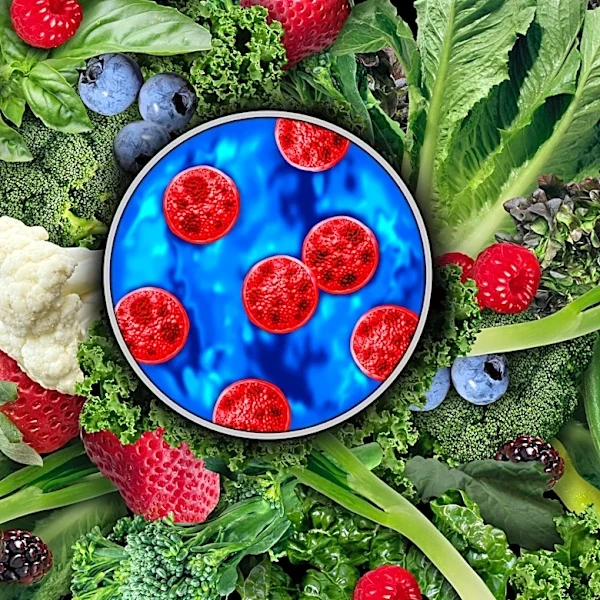
linked to better cognitive health. Other recommended foods include eggs, which are rich in choline, a nutrient important for memory and learning, as well as walnuts, berries, and leafy greens. These foods are noted for their potential to support cognitive function and slow cognitive decline, making them valuable additions to a brain-healthy diet.
Why It's Important?
The focus on brain-boosting foods underscores the growing interest in dietary strategies to support cognitive health, particularly as the population ages. Incorporating these foods into daily meals can offer a simple and effective way to enhance brain function and potentially reduce the risk of cognitive decline. This approach aligns with broader public health efforts to promote healthy eating patterns and prevent age-related diseases. By highlighting accessible and affordable food options, the dietitian's recommendations provide practical guidance for individuals seeking to improve their brain health through diet.
What's Next?
As research on the relationship between diet and brain health continues to evolve, there may be increased emphasis on public health campaigns promoting brain-healthy eating habits. Consumers are encouraged to incorporate these foods into their diets regularly, potentially leading to shifts in food purchasing and consumption patterns. The food industry might also respond by highlighting the cognitive benefits of certain products, influencing marketing strategies and product development. Ongoing studies could further elucidate the mechanisms by which these foods support brain health, informing future dietary guidelines.