




What's Happening?
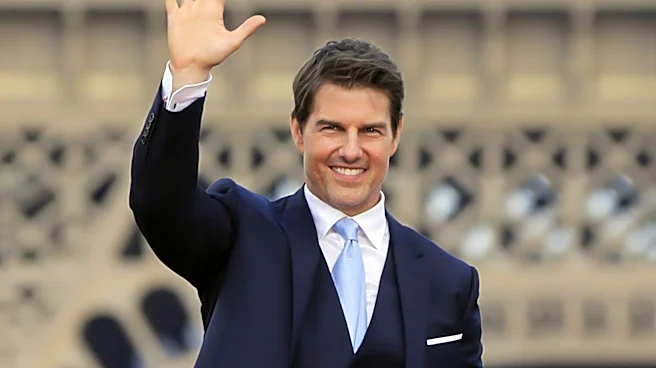
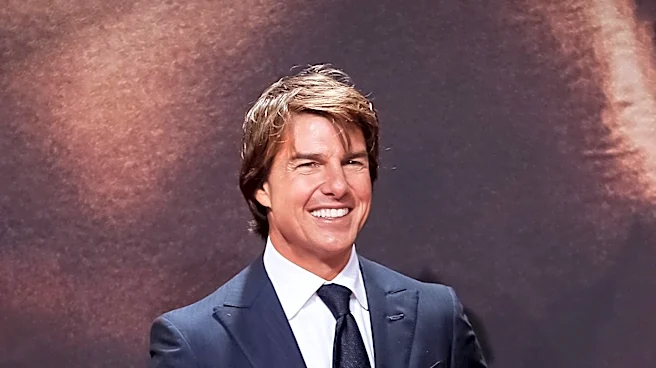
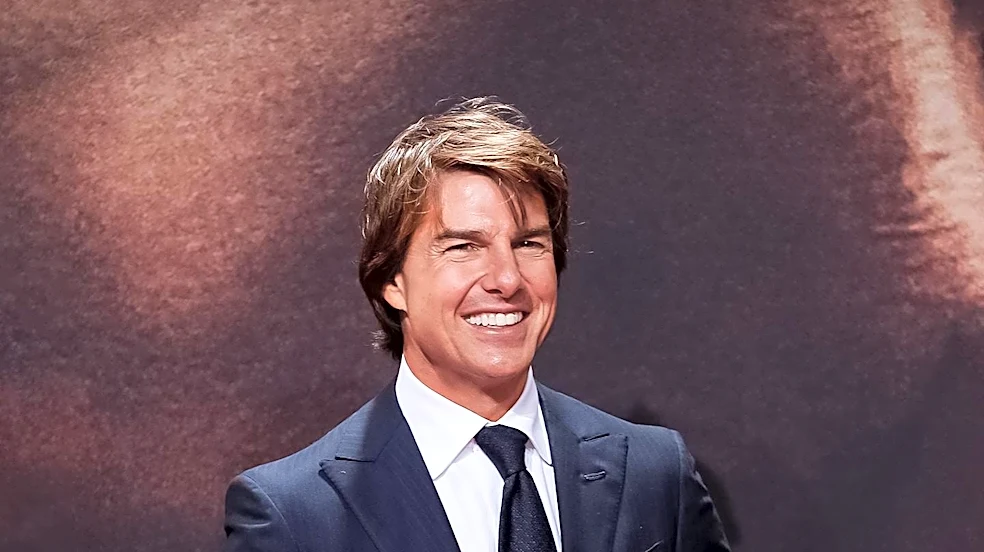
Actor Charlie Vickers, known for his role in 'The Lord of the Rings: The Rings of Power,' has publicly accused Tom Cruise of cheating in freediving. Vickers claims that Cruise, along with other actors in productions like 'Mission: Impossible' and 'Avatar,'
used oxygen masks prior to freediving to saturate their blood, allowing them to hold their breath for longer periods. Vickers stated that he and his colleagues, in contrast, only breathed normal air, which he believes results in shorter breath-holding times. He acknowledged that Cruise would likely win a 'straight-up fight' in freediving duration, but emphasized the difference in preparation methods as a form of 'cheating.'
Why It's Important?
This accusation from Charlie Vickers highlights a nuanced debate within extreme sports and performance-based activities, particularly when celebrities are involved. The use of pre-breathing oxygen, while potentially enhancing performance, raises questions about the fairness and authenticity of such feats, especially when presented to the public as pure athletic achievement. For the entertainment industry, this discussion could lead to greater scrutiny of how 'stunts' and physical challenges are portrayed, potentially influencing audience perception of actors' capabilities. It also touches upon the competitive nature of Hollywood, where actors often push physical boundaries for roles, and the methods used to achieve these feats can become a point of contention. The incident could spark conversations about ethical practices in preparing for demanding physical roles.
What's Next?
It remains to be seen if Tom Cruise or his representatives will respond to Charlie Vickers's accusation. The discussion could prompt further clarification from film productions regarding the techniques used for freediving scenes, potentially leading to more transparent disclosures about preparation methods. This incident might also encourage a broader conversation within the freediving community about what constitutes 'fair play' in competitive or performance contexts, especially concerning oxygen pre-breathing. Actors undertaking similar physical challenges in the future might face increased questions about their training and methods, potentially influencing how such feats are filmed and promoted to the public.
Beyond the Headlines
Beyond the immediate accusation, this story touches on the broader theme of authenticity versus enhancement in high-stakes performances. In an era where visual effects and specialized training are common, the line between natural ability and assisted performance can become blurred. Vickers's comments implicitly question the narrative often presented to the public about celebrity physical prowess, suggesting that some achievements might be aided by techniques not commonly available or understood by the general public. This could lead to a more critical examination of how 'heroic' physical feats are achieved in cinema, potentially shifting audience expectations and appreciation for genuine, unassisted efforts versus those enhanced by advanced techniques.