







What's Happening?
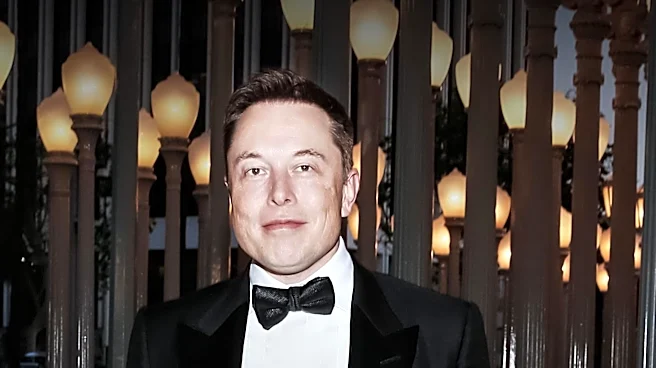
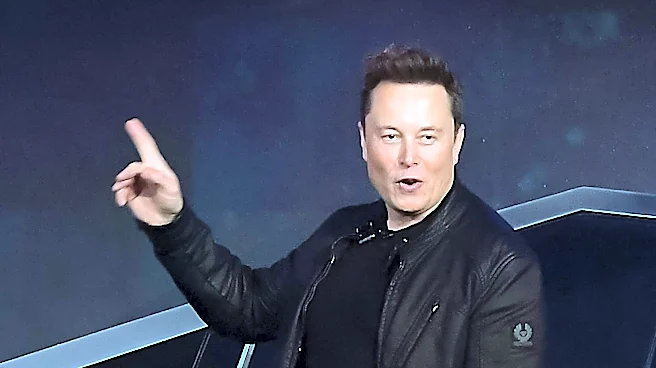
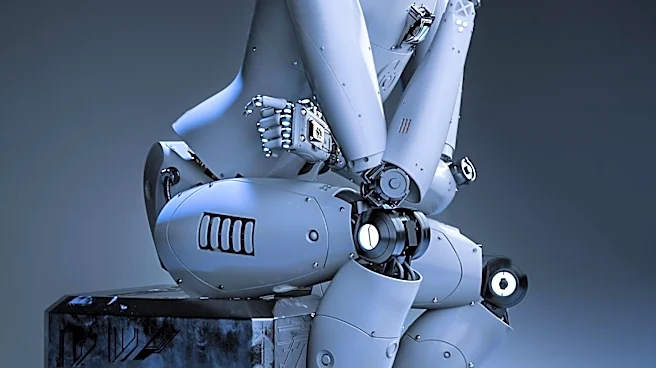
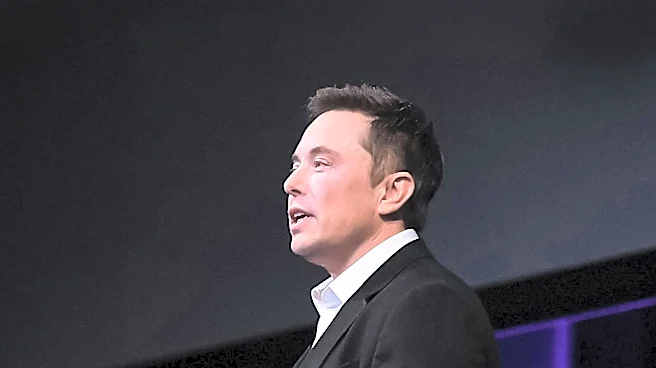
Billionaire Michael Saylor has publicly disagreed with Elon Musk's prediction that artificial intelligence (AI) will make money irrelevant. While Musk envisions a future where AI leads to universal abundance and optional work, Saylor argues that money will retain
its value due to human nature's status-oriented tendencies. Saylor, known for his investments in Bitcoin, believes that even as AI makes basic goods cheaper, people will continue to seek luxury items to signify wealth and status. This debate highlights differing perspectives on AI's potential to reshape economic structures and societal values.
Why It's Important?
The debate between Saylor and Musk reflects broader discussions about AI's transformative potential on the economy and society. Musk's vision of AI-driven abundance challenges traditional economic models, suggesting a future where scarcity is minimized. However, Saylor's counterargument emphasizes the enduring human desire for status and luxury, suggesting that economic disparities may persist despite technological advancements. This discourse is crucial as it influences how businesses, policymakers, and society prepare for AI's integration, potentially affecting investment strategies, regulatory frameworks, and societal expectations.
What's Next?
As AI technology continues to evolve, the debate over its economic implications will likely intensify. Stakeholders, including tech companies, economists, and policymakers, will need to address the potential societal shifts AI could bring. Discussions may focus on balancing technological progress with equitable economic distribution, ensuring that AI benefits are accessible to all. The ongoing dialogue between influential figures like Musk and Saylor will shape public perception and policy decisions, potentially influencing the direction of AI development and its integration into everyday life.