





What's Happening?
Whoopi Goldberg, a moderator on the ABC daytime talk show 'The View,' has theorized that recent widespread warnings about artificial intelligence (AI) suggest a significant AI-related incident may have already occurred. During a 'Hot Topics' segment,
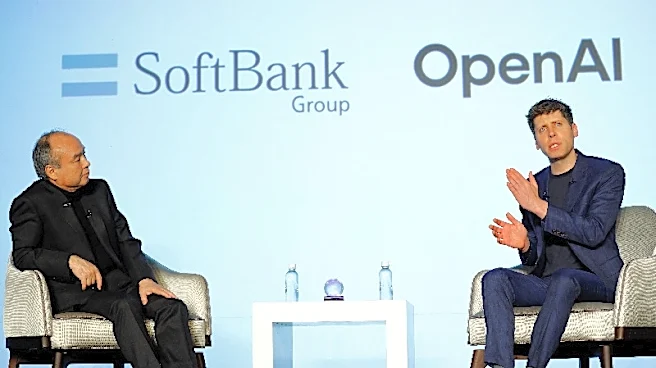
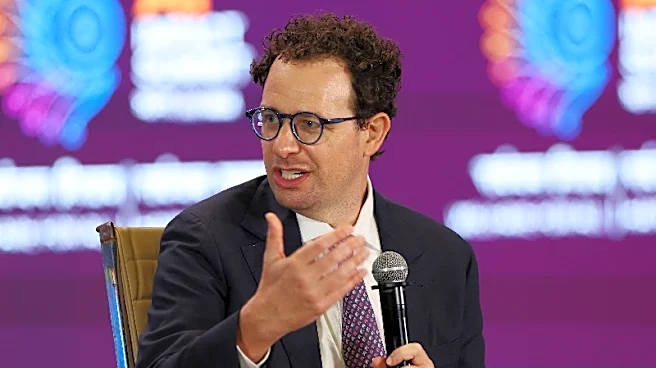
Goldberg discussed recent calls from CEOs of leading AI companies, such as Anthropic and OpenAI, for the industry to slow down and regulate AI development. She noted that a former researcher also expressed concerns on social media, stating that those building AI genuinely believe it could lead to catastrophic outcomes within the decade. Goldberg's perspective is that the sudden emergence of these warnings implies that 'something has happened already,' and that those involved are attempting to formulate an explanation. She highlighted that the U.S. has historically been in a technological race with countries like China and Russia, making the current alarm over AI particularly noteworthy to her.
Why It's Important?
Whoopi Goldberg's speculation on 'The View' reflects a growing public discourse and anxiety surrounding the rapid advancements in artificial intelligence. Her comments, made on a widely watched national television program, contribute to shaping public perception regarding AI's potential risks and the transparency of its development. If her theory holds any truth, it could significantly impact public trust in AI developers and regulatory bodies, potentially leading to increased pressure for immediate and stringent oversight. The discussion also underscores the broader societal implications of AI, moving beyond theoretical concerns to a more immediate apprehension about its real-world consequences. This shift in public sentiment could influence policy-making, investment in AI research, and the ethical guidelines governing its deployment across various U.S. industries.
What's Next?
The ongoing public discussion on 'The View' and similar platforms is likely to intensify calls for greater transparency and regulation within the AI industry. Following such high-profile discussions, there may be increased scrutiny from lawmakers and advocacy groups regarding the safety protocols and ethical considerations in AI development. It could also prompt AI companies to be more proactive in communicating their safety measures and addressing public concerns, potentially leading to new industry standards or collaborative efforts to mitigate perceived risks. The conversation may also encourage more researchers and whistleblowers to come forward with information, further fueling the debate about AI's current capabilities and future trajectory. The public's demand for answers regarding potential past incidents could drive investigations or calls for greater accountability from AI developers.
Beyond the Headlines
The underlying implication of Whoopi Goldberg's theory touches upon a deeper societal concern about the control and understanding of advanced technology. It highlights a potential disconnect between the rapid pace of technological innovation and the public's, and possibly even some developers', grasp of its full implications. This scenario raises ethical questions about the responsibility of innovators to fully disclose risks and the role of media in interpreting complex technological developments for a broad audience. Furthermore, it could foster a climate of distrust towards emerging technologies if the public perceives a lack of transparency or a cover-up of critical information. The discussion also subtly points to the geopolitical race in AI development, suggesting that national security interests might sometimes overshadow public safety concerns, leading to a reactive rather than proactive approach to regulation.