

What's Happening?
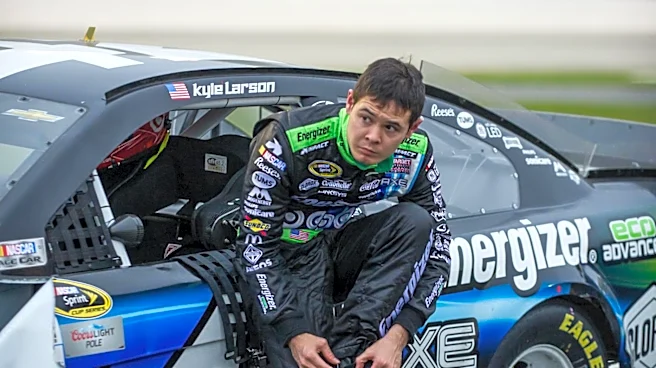
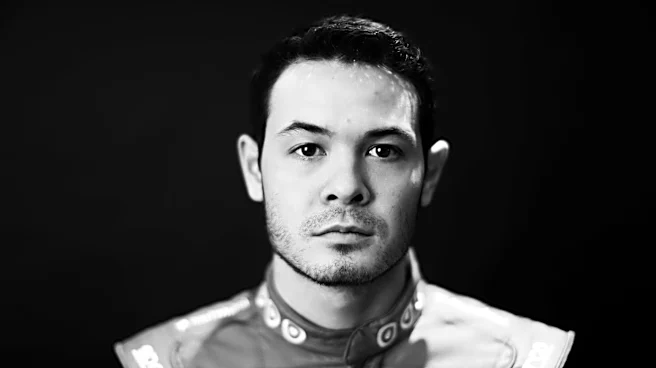
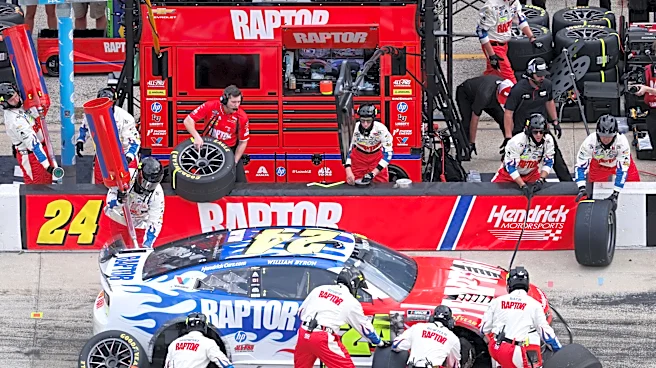
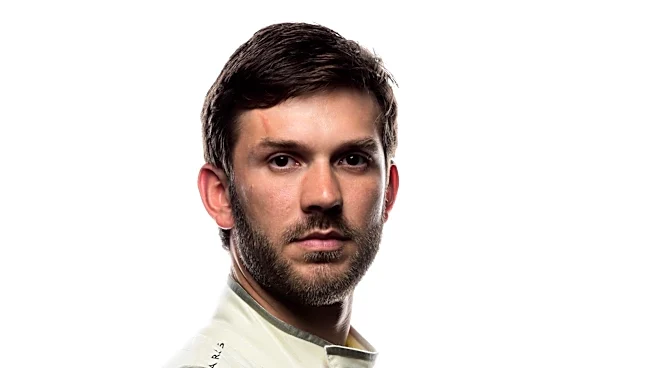
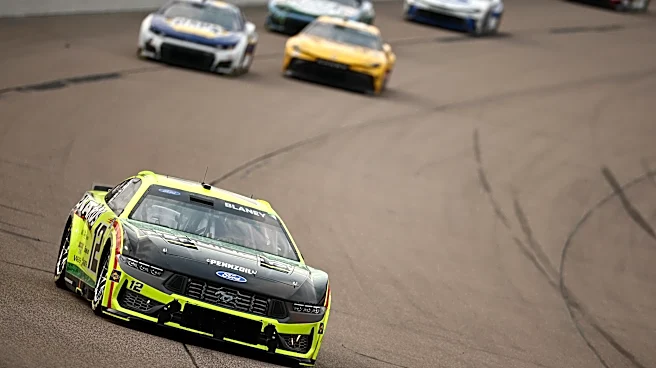
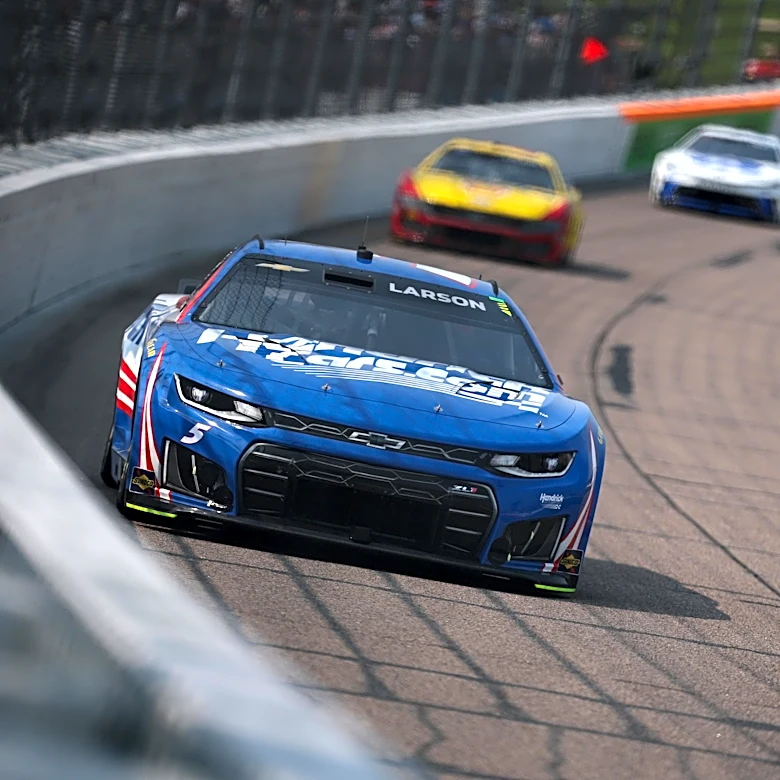
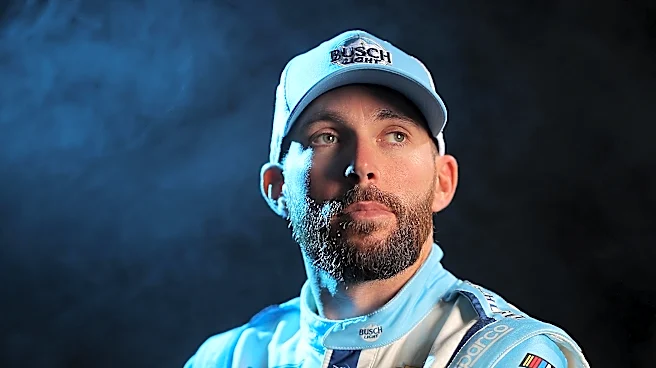
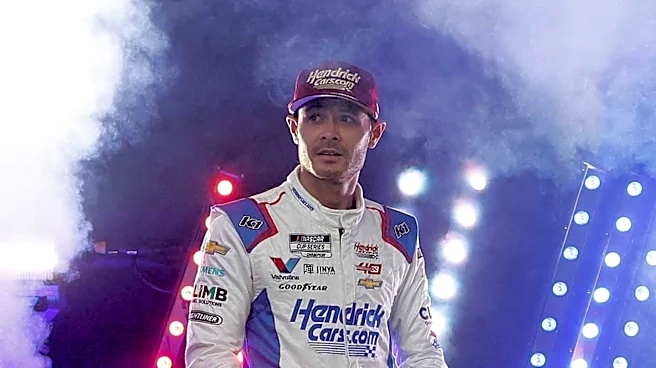
Ryan Blaney won the NASCAR Cup Series season finale at Homestead-Miami Speedway, concluding the 2026 racing season with a victory. Despite the win, Blaney finished fourth in the final championship standings, 94 points behind the champion, Kyle Larson.
This outcome highlights a key aspect of the new Chase format implemented in 2026, where the race winner and the series champion can be different drivers. Blaney's crew chief, Jonathan Hassler, described the 2026 Chase as the 'hardest season, probably to date,' emphasizing the format's demand for maximum effort in every race. The new format, which replaced the elimination-style playoffs, involved 16 drivers competing over 10 races with points reseeded once after the regular season. Wins were valued at 55 points, an increase from 40, with stage points remaining unchanged. The champion was determined by whoever accumulated the most points after the Homestead finale, rewarding consistency over the 10-race Chase rather than a single winner-take-all event.
Why It's Important?
The outcome of the 2026 NASCAR Cup Series season, particularly Ryan Blaney's race win versus his championship standing, underscores the significant impact of the new Chase format on competition strategy and championship narratives. This format aims to reward full-season consistency and provide a larger sample size for determining the champion, moving away from the previous elimination style where one bad race could end a season or one good race could secure a title. For teams and drivers, this means a sustained, high-intensity effort is required across all 10 Chase races, as noted by Blaney's crew chief. The separation of race winner and champion, as seen with Blaney and Larson, could lead to different types of fan engagement, where individual race victories remain celebrated while the overall championship emphasizes a broader performance metric. This shift could influence sponsorship strategies, as consistent performance over a longer playoff period might become more valuable than singular, high-stakes wins.
What's Next?
The 2026 NASCAR Cup Series season, with its new Chase format, will likely be a subject of continued evaluation and discussion within the sport. Stakeholders, including NASCAR officials, team owners, drivers, and fans, will analyze the format's effectiveness in balancing excitement, fairness, and the reward for season-long performance. Future seasons will reveal whether this format leads to sustained competitive balance and fan interest. Teams will continue to adapt their strategies to the demands of the 10-race Chase, focusing on consistent performance and maximizing points in every event. Discussions may arise regarding potential refinements to the points system or the structure of the Chase to further optimize the championship battle. The emphasis on consistent effort every week, as highlighted by Blaney's crew chief, suggests that teams will prioritize reliability and strategic race management throughout the postseason.
Beyond the Headlines
The 2026 Chase format introduces a deeper philosophical debate within NASCAR about what constitutes a 'deserving' champion. By allowing the race winner and the series champion to be different, the format challenges the traditional notion that the final race winner should automatically be the champion. This shift emphasizes a broader definition of excellence, rewarding sustained performance over a significant portion of the season rather than a single climactic event. This could lead to a re-evaluation of how success is perceived in motorsports, potentially valuing consistency and strategic execution over singular moments of brilliance. The increased demand for maximum effort in every race also raises questions about driver and team endurance, resource allocation, and the potential for burnout over a grueling 10-week period. This could influence team structures, training regimens, and long-term career planning for drivers, as the physical and mental toll of constant high-stakes competition intensifies.