






What's Happening?
Carter's, a 161-year-old brand, is evolving its marketing strategy to connect with Gen Z parents, who prioritize self-expression for their children over the 'mini-me' approach favored by millennials. According to Aubrie Corey, global VP of brand marketing at Carter's, Gen Z parents are choosing
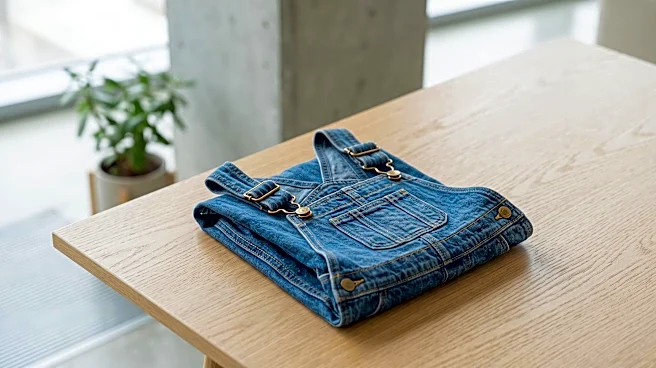
brands that encourage their kids' individuality. This shift is based on consumer insights and data indicating a transformation in parenting styles. The brand is also leveraging nostalgia by reissuing vintage OshKosh B'gosh collections from the 1980s and 1990s, which appeal to both Gen X and millennial parents who remember wearing them, while also feeling fresh to the current generation. This dual approach of modern relevance and nostalgic appeal is part of Carter's focus on 'memory making' for its customers.
Why It's Important?
This strategic pivot by Carter's highlights a significant trend in consumer behavior and generational marketing within the U.S. retail landscape. As Gen Z gains purchasing power, brands must adapt their messaging and product offerings to align with this generation's distinct values and preferences. The emphasis on individuality and self-expression for children, rather than mirroring parental styles, indicates a broader cultural shift that other children's brands and related industries will need to acknowledge. Furthermore, the successful integration of vintage collections demonstrates the enduring power of nostalgia in marketing, suggesting that brands can effectively bridge generational gaps by reintroducing classic products in a way that resonates with new audiences. This approach can lead to increased brand loyalty and market share among a crucial demographic.
What's Next?
Carter's plans to continue its brand evolution, with future initiatives likely to build on its understanding of Gen Z parents and their values. The brand will continue to rely on a steady stream of customer data and insights to inform its strategies, ensuring a balance between brand consistency and adaptability. This ongoing data-driven approach will be crucial for maintaining relevance in a rapidly changing consumer market. The success of the OshKosh Reissued Collection may also encourage other heritage brands to explore similar strategies of reintroducing vintage products to appeal to both nostalgic older generations and younger consumers seeking unique, expressive items. Future partnerships, such as the recent collaboration with Umbro for soccer-themed clothing, are also anticipated to target specific cultural moments and diverse consumer segments.
Beyond the Headlines
The shift in parenting styles observed by Carter's, from 'mini-me' to encouraging self-expression, reflects a deeper societal trend towards valuing individuality and authenticity from a young age. This could have long-term implications for product development, educational approaches, and even social norms surrounding childhood. Brands that successfully tap into this desire for unique self-expression, rather than conformity, are likely to gain a competitive edge. The strategy also underscores the importance of continuous consumer insight gathering and the ability of brands to evolve without losing their core identity. For a 161-year-old company, this adaptability is not just a marketing tactic but a survival imperative in a dynamic market, demonstrating that heritage can be an asset when combined with forward-thinking strategies.