





What's Happening?
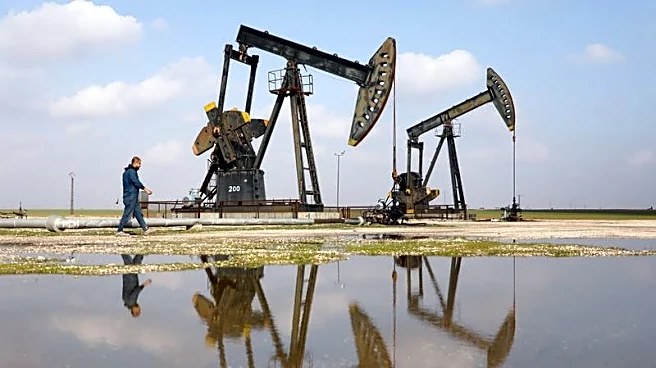
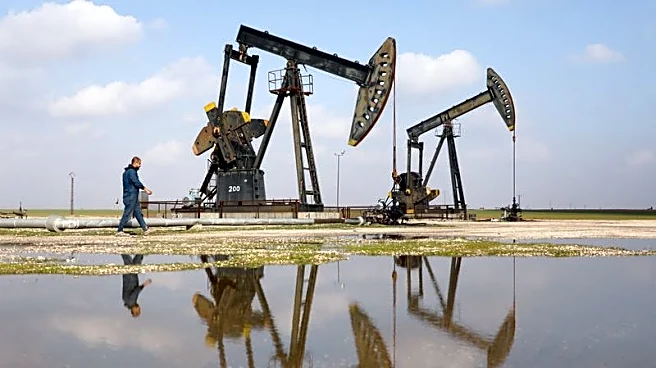
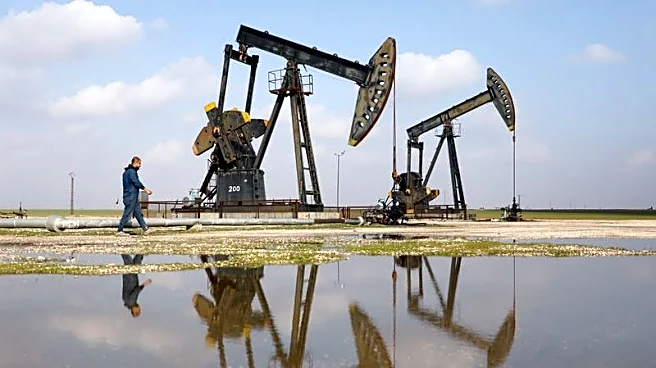
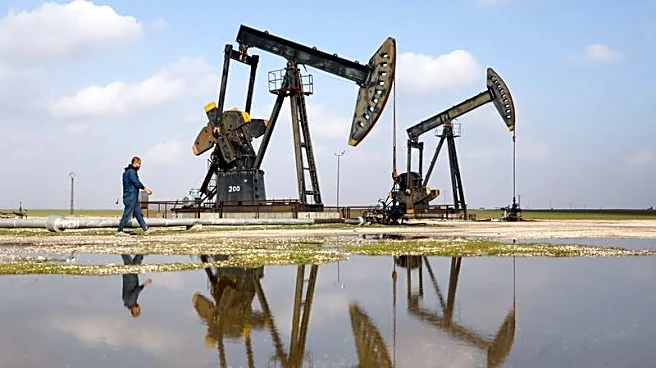
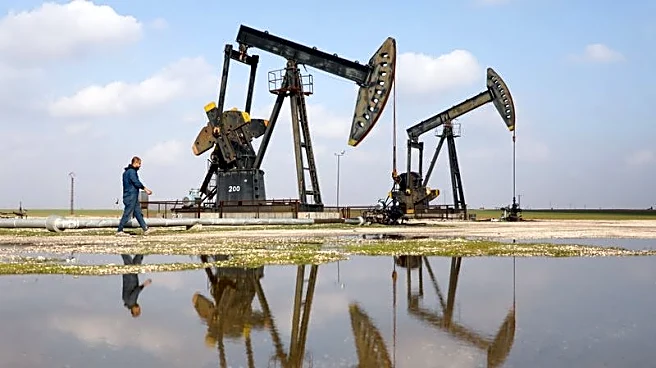
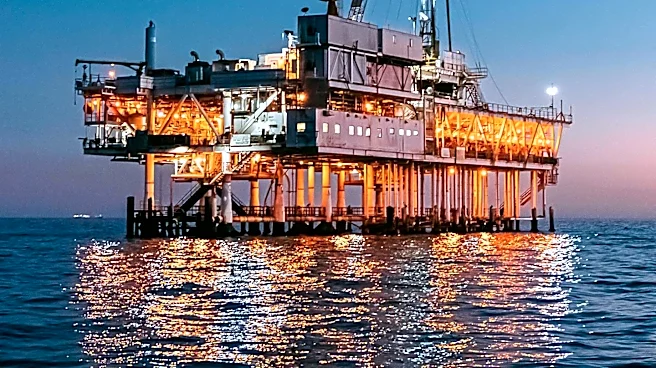
OPEC+ has announced an increase in oil production by approximately 188,000 barrels per day starting in September 2026. This decision marks the completion of the rollback of voluntary output cuts that were initially agreed upon in 2023. The increase involves
key OPEC+ members, including Saudi Arabia, Russia, Iraq, Kuwait, Algeria, Kazakhstan, and Oman. The move comes amid ongoing export disruptions from the Gulf, Russia, and Kazakhstan due to conflicts in Iran and Ukraine. Despite the increase, the group has not made any decisions regarding output for the last quarter of 2026, although a pause in further increases is considered a feasible option.
Why It's Important?
The decision to increase oil production is significant as it aims to stabilize the global oil market, which has been affected by geopolitical tensions and supply disruptions. By completing the rollback of voluntary cuts, OPEC+ is attempting to manage potential surpluses as export flows normalize. This move could impact global oil prices, which have seen fluctuations due to regional conflicts and market uncertainties. The increase in production may also influence the economic strategies of oil-dependent countries and industries, potentially affecting energy prices and inflation rates worldwide.
What's Next?
OPEC+ is expected to monitor market conditions closely and may convene additional meetings to address any emerging issues. The group is preparing for the 2027 quota negotiations, which will likely involve discussions on managing production levels to maintain market stability. Stakeholders, including oil-producing nations and energy companies, will be watching closely to see how these developments affect global oil supply and demand dynamics.