





What's Happening?
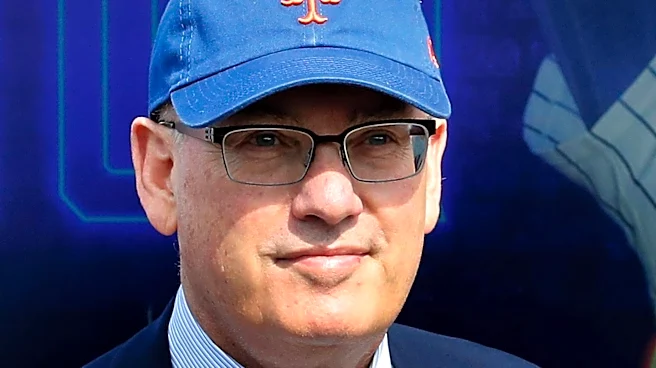
New York Mets owner Steve Cohen is at a critical juncture this offseason, with the potential signing of pitcher Tarik Skubal emerging as a decision that will define the organization's future direction. Since taking over in 2020, Cohen expressed a goal
of winning a championship within three to five years, yet the Mets have only made the playoffs twice in his tenure. The team finished nine games worse than the previous year, leading to frustration among the fanbase, the organization, and Cohen himself. Acquiring Skubal, a two-time Cy Young Award winner, would not only provide a frontline starter and potential mentor for young pitchers but also send a strong message about the team's commitment to winning. Such a move would come at a significant financial cost, with Skubal expected to command at least $300 million. This would push the Mets' projected payroll, currently at $286,745,821 according to Spotrac, to approximately $327 million if Skubal earns $40 million annually. Cohen has previously shown a willingness to pay substantial luxury taxes but has also acknowledged that maintaining an exceptionally high payroll every year is unsustainable.
Why It's Important?
The decision regarding Tarik Skubal is crucial because it will signal Steve Cohen's willingness to invest further in the team's immediate success and fulfill his championship promises. For established stars like Francisco Lindor and Juan Soto, who signed massive contracts with the expectation of competing for titles, a move like this would validate Cohen's commitment. Historically, significant acquisitions, such as Yoenis Cespedes in 2015, have galvanized teams and demonstrated a 'going all-in' mentality. A substantial investment in Skubal would indicate that the Mets are prioritizing winning now, potentially influencing other free agents and current players. Conversely, a reluctance to make such a high-cost move could be interpreted as a shift towards more fiscal conservatism or a longer-term rebuilding strategy. The financial implications are also significant, as adding another massive contract would impact the team's flexibility to address other needs, such as another starting pitcher, a first baseman, and bullpen help. This decision will reveal Cohen's strategic balance between immediate competitiveness and long-term financial sustainability.
What's Next?
The immediate next step for the New York Mets will be to engage in negotiations with Tarik Skubal and his representatives, assessing the financial commitment required and how it aligns with the team's overall budget and strategic goals. Should the Mets pursue and successfully sign Skubal, it would likely influence their approach to filling other roster gaps. General Manager Stearns might then explore lower-cost options for the remaining needs, or the team could decide to continue aggressively pursuing other top free agents, depending on Cohen's ultimate spending appetite. A key advantage of signing Skubal as a free agent is that it would allow the Mets to retain their top prospects, aligning with Stearns' stated philosophy of developing the farm system for sustained success. The outcome of this decision will set the tone for the Mets' offseason and provide a clear indication of their competitive aspirations for the upcoming seasons, potentially leading to further significant roster moves or a more conservative approach to team building.
Beyond the Headlines
Beyond the immediate impact on the Mets' roster and payroll, the decision on Tarik Skubal carries broader implications for the team's organizational philosophy and brand. A bold move to sign a top-tier free agent like Skubal could re-energize a frustrated fanbase and solidify the Mets' reputation as a premier destination for elite talent, willing to spend what it takes to win. This could create a positive feedback loop, attracting more top players in the future. Conversely, if the Mets shy away from such a significant investment, it could lead to questions about the long-term vision and commitment to winning, potentially impacting fan engagement and the team's ability to attract future stars. The decision also reflects a strategic choice between building through free agency versus relying more heavily on player development and trades. Cohen's approach will be closely watched by other MLB owners and executives, as it could influence spending trends and player valuation across the league, particularly for teams with deep pockets aiming for championship contention.