






What's Happening?
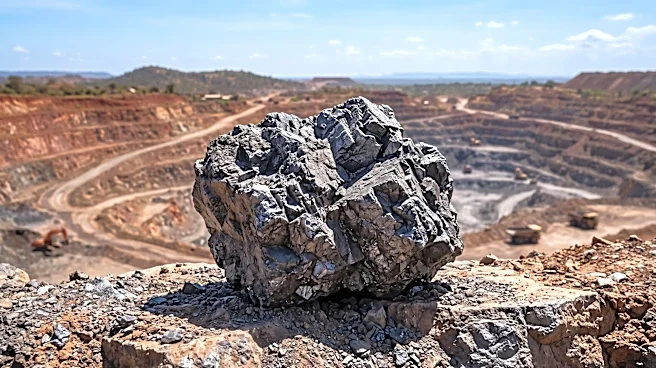
U.S. engineering group Fluor is in competition with a former client for the right to develop Kenya's Mrima Hill mineral deposit, which contains rare earths and niobium. Fluor, alongside Tetra Tech, is part of a bid by Meridian Mineral Holdings. Their
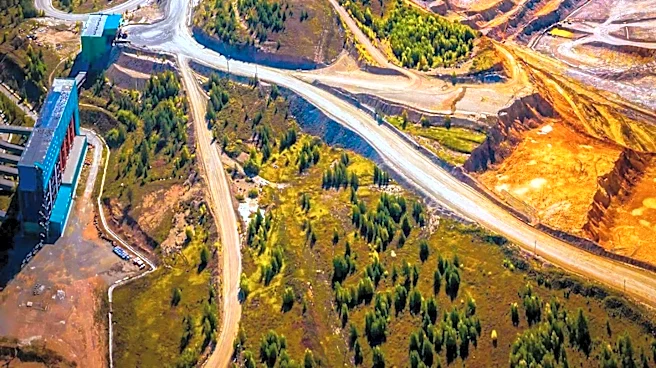
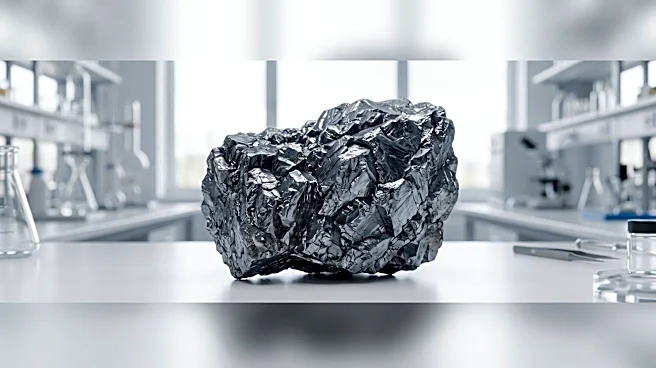
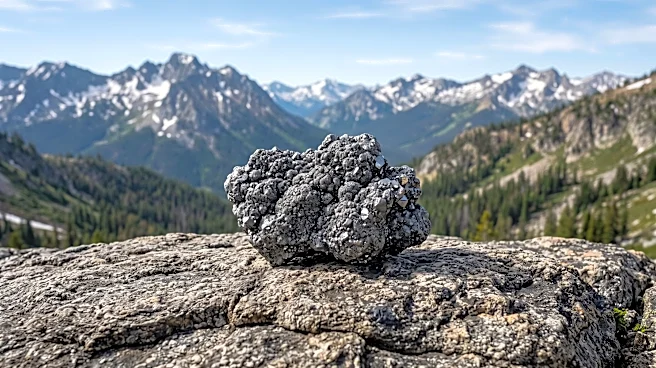
competitor is Iluka Resources, an Australian miner that previously worked with Fluor on the Eneabba rare earths refinery in Western Australia, now teamed with RareX. These two groups are among five that submitted tenders on October 21, following the withdrawal of two Chinese companies. Mining Cabinet Secretary Hassan Ali Joho stated that Kenya expects to select a developer within two to three weeks. The Mrima Hill deposit, located in Kwale County, is rich in neodymium and niobium, crucial for powerful magnets and strengthening steel, respectively.
Why It's Important?
This competition for Kenya's Mrima Hill rare earths deposit is highly significant for U.S. strategic interests and industries. Rare earth elements are critical for numerous high-tech applications, including defense systems, renewable energy technologies, and advanced electronics. The U.S. has been actively seeking to diversify its supply chains for these critical minerals, reducing reliance on dominant suppliers. Fluor's involvement in a bidding consortium underscores U.S. efforts to secure access to these vital resources. A successful bid by a U.S.-backed entity could enhance U.S. supply chain resilience and reduce geopolitical vulnerabilities. The dispute over processing technology between Fluor and Iluka also highlights the intense competition and proprietary knowledge involved in the rare earths sector, which can impact U.S. technological advancement and industrial competitiveness.
What's Next?
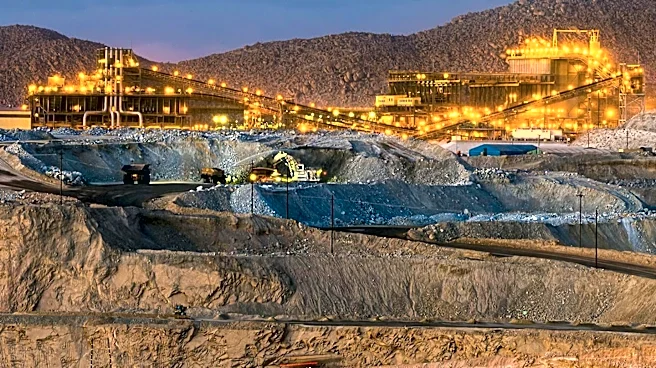
Kenya's Mining Cabinet Secretary Hassan Ali Joho anticipates selecting a developer for the Mrima Hill deposit within the next two to three weeks. This decision will determine which consortium, including the U.S.-backed Meridian Mineral Holdings or the Iluka Resources-RareX partnership, will proceed with the development. The chosen developer will then face the challenge of economically extracting and processing the minerals, a task complicated by the 2013 valuation of $62 billion which excluded extraction and processing costs. Additionally, the project must address concerns from the surrounding community regarding the Mrima Hill Kaya, a sacred forest shrine located within the deposit area. The outcome will shape Kenya's role in the global rare earths market and influence future investment in its mining sector.
Beyond the Headlines
The contest for Mrima Hill extends beyond economic and strategic considerations, touching upon complex ethical, legal, and environmental dimensions. The dispute over processing technology between former partners raises questions about intellectual property rights and competitive practices in the high-stakes rare earths industry. Environmentally, the development of such a significant mining project will necessitate careful management to mitigate ecological impact, especially given the presence of a sacred forest shrine. This highlights the broader challenge of balancing economic development with cultural preservation and environmental stewardship in resource-rich regions. The withdrawal of Chinese companies from the bidding also suggests a shifting geopolitical landscape in critical mineral acquisition, potentially opening doors for Western nations to increase their footprint in Africa's resource sector. The long-term implications involve not only the global supply of rare earths but also the sustainable development practices adopted in their extraction.