




What's Happening?
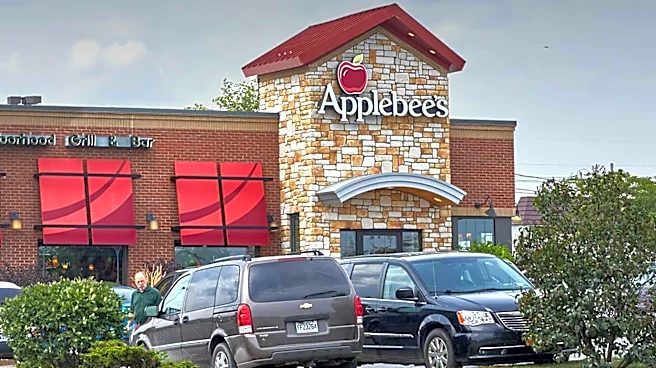
Applebee's has established its baby back ribs as a signature menu item, renowned for their tenderness and flavor. The key to achieving the restaurant's distinctive taste and texture lies in a double-glazing technique applied during the cooking process.
This method involves applying barbecue sauce to the ribs twice: once during the initial cooking phase and again closer to the end. This double application ensures a richer flavor profile and creates an appealing, lacquered exterior. The ribs are slow-cooked to maximize tenderness before being coated in a choice of sauces, such as sweet Asian chile or honey barbecue. Despite the popularity of other menu items, the double-glazed baby back ribs have garnered significant fan appreciation, even being recognized as America's favorite Applebee's entree in a Mashed survey, securing nearly 28% of the vote.
Why It's Important?
The success of Applebee's double-glazed baby back ribs highlights the impact of specific culinary techniques on consumer preference and brand identity within the casual dining sector. For the restaurant industry, this demonstrates how a distinctive cooking method can elevate a standard dish into a signature offering, driving customer loyalty and positive perception. The emphasis on slow-cooking for tenderness combined with the double-glazing for flavor and appearance provides a valuable case study for other food service businesses looking to differentiate their menus. Furthermore, the high ranking in a consumer survey underscores the importance of consistent quality and a memorable taste experience in attracting and retaining diners. This approach can influence menu development strategies, encouraging chefs and restaurateurs to invest in unique preparation methods that enhance both the taste and visual appeal of their dishes.
What's Next?
The continued popularity of Applebee's double-glazed baby back ribs suggests that the restaurant will likely maintain this item as a core offering, potentially exploring variations in sauces or accompaniments to keep the menu fresh. Other casual dining chains may observe this success and seek to develop their own signature dishes through unique cooking techniques or ingredient combinations. This could lead to an increased focus on culinary innovation within the industry, with restaurants investing more in research and development to create distinctive menu items. Additionally, the emphasis on the 'double-glazing' technique might inspire home cooks to experiment with similar methods, potentially boosting sales of related cooking equipment and ingredients in the retail market. The trend also reinforces the value of customer feedback and surveys in guiding menu decisions and marketing efforts.
Beyond the Headlines
The success of Applebee's ribs extends beyond mere culinary achievement; it reflects broader consumer trends in the U.S. dining landscape. There's a persistent demand for comfort food that offers both quality and a sense of familiarity, which Applebee's taps into effectively. The 'double-glazing' technique, while seemingly simple, speaks to a consumer desire for dishes that feel crafted and special, even in a chain restaurant setting. This approach subtly elevates the dining experience, making a mass-produced item feel more artisanal. It also highlights the power of branding and marketing in associating a specific preparation method with a restaurant's identity. This phenomenon can influence food manufacturers to develop products that facilitate similar 'signature' preparations at home, blurring the lines between restaurant-quality and home-cooked meals and catering to a public increasingly interested in culinary experimentation.