





What's Happening?
Holistic wellness routines are gaining traction, focusing on a comprehensive approach to health that integrates physical, mental, and spiritual well-being. Key components of these routines include regular exercise, meditation, yoga, and massage. Developing
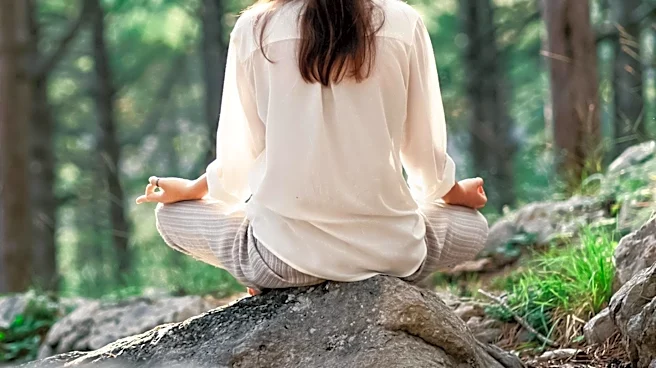
a personalized routine involves understanding individual health needs and lifestyle constraints, starting with an assessment of current habits. The process encourages gradually introducing natural practices that align with daily schedules. Meditation is highlighted for its ability to reduce stress hormones and enhance emotional control, even with just five minutes daily. Yoga, which combines physical postures, breathwork, and meditation, is noted for improving flexibility, strength, and mental clarity. Consistent massage is also recommended to help individuals recognize body patterns, recover faster, and feel more connected to their physical selves. The emphasis is on consistency over perfection in building enduring wellness practices, with skin care and bodywork complementing a balanced routine. Local access to services is identified as a factor that can aid in maintaining consistency.
Why It's Important?
The growing emphasis on holistic wellness routines reflects a broader societal shift towards preventative health and personalized care in the U.S. This approach can significantly impact the healthcare industry by potentially reducing reliance on conventional medical interventions for stress-related ailments and chronic conditions. For individuals, adopting these routines can lead to improved physical health, enhanced mental clarity, and better emotional regulation, contributing to a higher quality of life. The integration of practices like meditation and yoga into daily life can foster a more mindful and less stressed population, which has implications for workplace productivity and overall societal well-being. Businesses in the wellness sector, including yoga studios, meditation centers, massage therapists, and natural health product providers, stand to gain from this trend. Conversely, traditional pharmaceutical companies might see a subtle shift in consumer demand as more people explore natural remedies and lifestyle changes. The focus on personalized routines also empowers individuals to take a more active role in their health management, potentially leading to a more informed and health-conscious consumer base.
What's Next?
The trend towards holistic wellness is expected to continue expanding, with an increasing number of individuals and organizations exploring and adopting these practices. We may see a further integration of holistic approaches into mainstream healthcare, potentially through partnerships between medical professionals and wellness practitioners. Educational programs and workshops on meditation, yoga, and mindful living are likely to become more prevalent, making these practices more accessible to a wider audience. Technology could also play a significant role, with the development of more apps and digital platforms designed to help individuals track their wellness progress, guide meditation sessions, and offer personalized exercise routines. Businesses in the wellness industry will likely innovate to offer more tailored services and products, catering to diverse needs and preferences. Furthermore, there could be a greater focus on research to scientifically validate the benefits of various holistic practices, which could further drive their adoption and acceptance within the U.S. health landscape.
Beyond the Headlines
The rise of holistic wellness routines points to a deeper cultural shift in how Americans perceive health and well-being. It moves beyond merely treating symptoms to fostering a proactive and integrated approach to health, recognizing the interconnectedness of mind, body, and spirit. This shift challenges the conventional, often fragmented, healthcare model by advocating for self-care and natural healing. Ethically, it raises questions about accessibility and affordability of holistic services, ensuring that these benefits are not limited to privileged demographics. Legally, there may be increasing discussions around the regulation and standardization of wellness practices and practitioners. Culturally, it signifies a growing desire for authenticity and a return to more natural, sustainable ways of living, moving away from quick fixes and towards long-term, sustainable health practices. This movement could also influence urban planning, with a greater demand for green spaces, meditation centers, and community wellness hubs, ultimately reshaping the social fabric of U.S. communities.