
What's Happening?
Mortgage rates in the U.S. have climbed to their highest level in a year, with the 30-year fixed-rate mortgage averaging 6.66% as of July 30. This increase is attributed to persistent inflation fears and
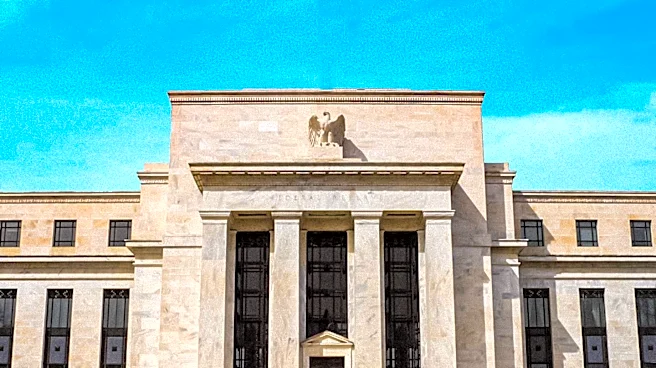
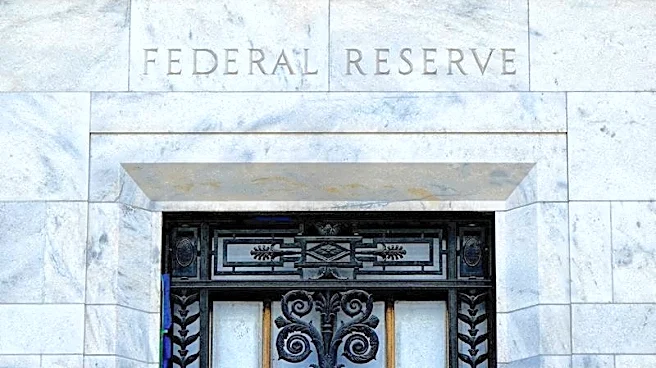
geopolitical tensions, particularly in the Middle East. The Federal Reserve's recent decision to keep its benchmark interest rate unchanged has not alleviated concerns, as three members of the rate-setting panel voted for a hike. Despite a slowdown in the Fed's preferred inflation measure in June, inflation remains above the central bank's 2% target, contributing to rising Treasury yields and, consequently, higher mortgage rates.
Why It's Important?
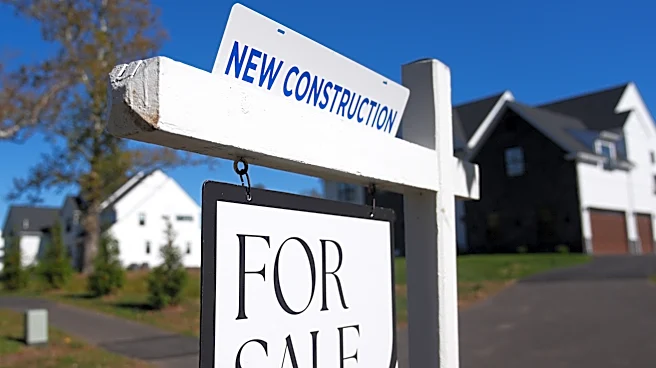
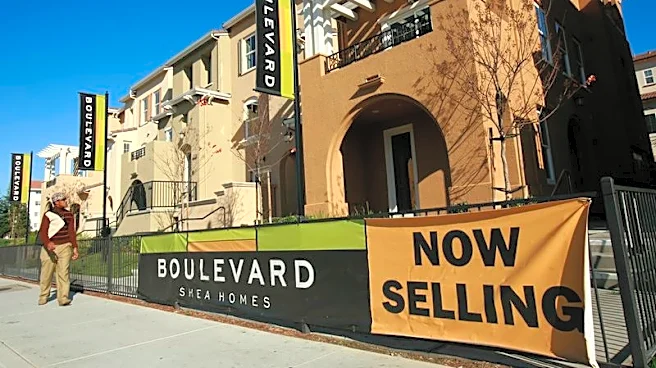
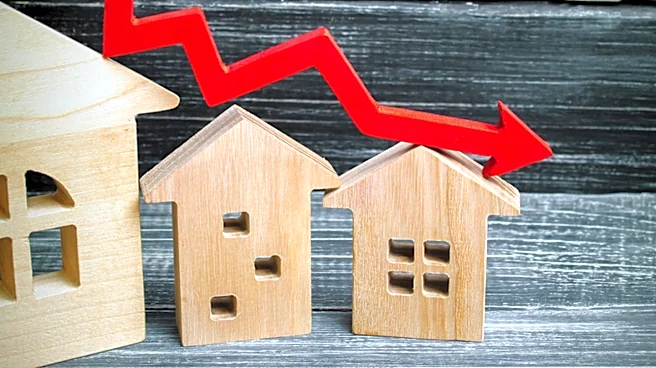
The rise in mortgage rates poses challenges for the U.S. housing market, as higher borrowing costs can deter potential homebuyers and slow down market activity. The ongoing conflict in the Middle East, particularly involving Iran, exacerbates inflationary pressures by affecting oil and fuel prices. This situation underscores the interconnectedness of global events and domestic economic conditions. As mortgage rates continue to rise, the financial burden on homeowners and prospective buyers increases, potentially leading to a slowdown in housing demand and impacting the broader economy.
What's Next?
The Federal Reserve's future actions will be closely watched, with potential rate hikes anticipated later in the year if inflation remains unchecked. Deutsche Bank predicts two rate increases totaling 0.50 percentage points, which could further elevate mortgage rates. The resolution of geopolitical tensions, particularly in the Middle East, could provide some relief by stabilizing oil prices and easing inflationary pressures. However, until such developments occur, the housing market may continue to face headwinds, with stakeholders needing to adapt to the evolving economic landscape.