







What's Happening?
Onitsuka Tiger, a brand known for its footwear and apparel, is actively marketing a variety of products, including popular shoe models such as the Mexico 66, EDR 78, and Tiger Loafer. The brand also features distinct collections like DENIVITA™, TOKUTEN,
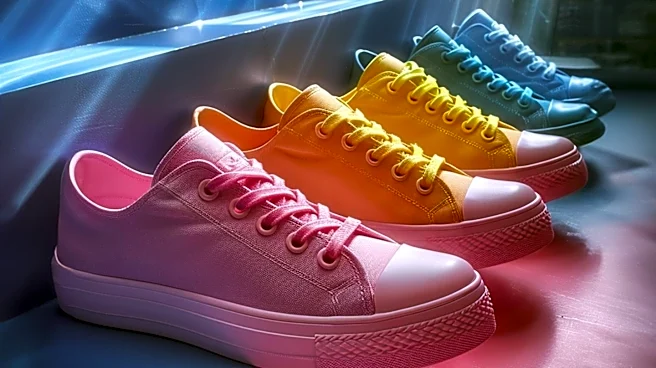
DELECITY, and a KIDS COLLECTION. These products are available for purchase through their official online store, catering to both men's and unisex styles. The brand emphasizes its Japanese heritage, highlighted by collections such as NIPPON MADE and ITALIAN MADE. Specific products like the Men's MEXICO 66 CHUNK Black & Piedmont Grey Sneakers are noted for their hand-stitched-like Onitsuka Tiger Stripes, which contribute to their classic charm and stylish appeal. Other offerings include the Onitsuka Tiger Mexico 66 NM Wood Crepe, available through various retailers. The brand's retro sneakers, inspired by 1970s sports footwear, have seen a resurgence in popularity, being styled with diverse outfits from jeans to dresses.
Why It's Important?
The continued presence and diverse offerings of Onitsuka Tiger in the U.S. market reflect broader trends in consumer fashion and the enduring appeal of retro athletic wear. The brand's emphasis on Japanese and Italian heritage, alongside its classic designs, taps into a consumer base that values both authenticity and timeless style. This trend impacts the retail sector by driving demand for vintage-inspired products and influencing fashion cycles. For consumers, it provides a range of choices that blend comfort with style, suitable for various occasions beyond athletic activities. The brand's ability to maintain relevance through different collections, from children's wear to specialized models, indicates a robust market strategy that caters to a wide demographic. The popularity of retro sneakers, as exemplified by Onitsuka Tiger, also suggests a shift in fashion towards more versatile and less overtly sporty footwear, impacting how other apparel brands design and market their products.
What's Next?
Onitsuka Tiger is likely to continue leveraging its heritage and classic designs while potentially introducing new collaborations or limited-edition collections to maintain consumer interest. The brand may further expand its online presence and explore new retail partnerships to reach a broader audience. Given the current trend of retro fashion, there could be an increased focus on marketing campaigns that highlight the historical significance and timeless appeal of their products. We might also see an evolution in their product lines to incorporate sustainable materials or production methods, aligning with growing consumer demand for eco-friendly options. The brand's success in integrating its athletic footwear into everyday fashion suggests a continued effort to position its products as versatile lifestyle items, rather than solely performance-oriented gear.
Beyond the Headlines
The enduring popularity of brands like Onitsuka Tiger speaks to a deeper cultural appreciation for nostalgia and authenticity in consumer goods. In an era of rapid fashion cycles, the return to classic designs offers a sense of stability and familiarity. This trend also highlights the influence of global fashion on the U.S. market, with Japanese heritage brands finding significant traction. The versatility of these retro sneakers, transitioning from athletic wear to everyday fashion, challenges traditional boundaries between different clothing categories. This shift can lead to a more fluid and personalized approach to style, where consumers mix and match elements from various aesthetics. Furthermore, the emphasis on 'hand-stitched-like' details and specific heritage collections suggests a consumer preference for craftsmanship and storytelling behind their purchases, moving beyond mere utility to embrace the narrative and cultural value of a brand.