



What's Happening?
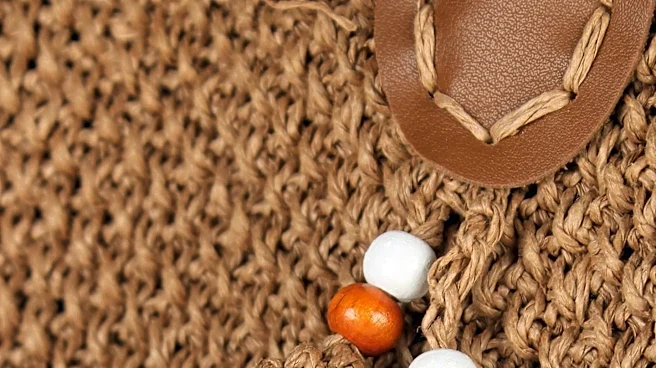
Raffia bags, once a casual holiday accessory, have become a staple in global luxury fashion, with brands like Prada, Saint Laurent, and Loewe featuring them in their collections. Despite 80% of global raffia demand being sourced from Madagascar, the country's
deep connection to the material is largely unknown internationally. Eileen Akbaraly, CEO and founder of Made For A Woman, a B Corp certified social enterprise based in Madagascar, is working to change this narrative. Her company focuses on empowering Malagasy artisans, primarily women from vulnerable communities, by providing fair wages, healthcare, education, and childcare. Made For A Woman also champions a transparent and traceable supply chain for raffia, partnering with ethically certified suppliers like Kalfane Fils. The company's products, including a large handwoven rainbow raffia bag retailing for approximately $887, come with QR codes that allow buyers to learn about the artisans and ecosystems involved in their creation.
Why It's Important?
This development is significant as it highlights a growing trend in the luxury fashion industry towards ethical sourcing and supply chain transparency. The collaboration between Made For A Woman and established luxury houses like Chloé and Fendi demonstrates a potential shift in how luxury is defined, moving beyond mere brand illusion to encompass authentic value derived from human hands, sustainable materials, and fair treatment of people and the planet. For U.S. consumers, this means an increasing availability of luxury products with a verifiable ethical footprint, potentially influencing purchasing decisions towards brands that prioritize social and environmental responsibility. It also offers an economic opportunity for regions like Madagascar, allowing them to be recognized not just as raw material suppliers but as centers of luxury craftsmanship.
What's Next?
The success of initiatives like Made For A Woman could set a new standard for ethical practices within the global luxury fashion industry. More luxury brands may seek to partner with similar social enterprises to enhance their supply chain transparency and meet growing consumer demand for ethically produced goods. The use of Digital Product Passports (DPPs) via QR codes could become a more widespread tool for brands to connect consumers directly with the origins and makers of their products, fostering greater trust and appreciation for craftsmanship. This could lead to a redefinition of luxury, where authenticity, sustainability, and social impact are as valued as brand prestige and design.
Beyond the Headlines
The story of Madagascar's raffia bags and Made For A Woman delves into the deeper implications of global trade and cultural recognition. It challenges the traditional power dynamics where developing nations are primarily seen as sources of raw materials, instead positioning them as contributors to high-value luxury goods. The emphasis on 'fihavanana'—kinship, community, and mutual respect—embedded in Malagasy culture and reflected in the weaving process, offers a powerful counter-narrative to the often-impersonal nature of global manufacturing. This movement could inspire other regions with rich artisanal traditions to leverage their heritage for economic empowerment, fostering a more equitable and culturally appreciative global marketplace. It also raises questions about consumer responsibility and the potential for purchasing power to drive positive social change.