





What's Happening?
Mexico is grappling with a substantial credit gap, with domestic credit to the private sector standing at approximately 35% of GDP in 2024, significantly lower than countries like Chile, which is over 110%. This limited access to affordable credit disproportionately
affects Mexico's 5.4 million micro, small, and medium enterprises (MSMEs), which generate 70.6% of national employment but only 4.4% have bank financing. The problem is compounded by high lending rates, with average business rates near 13.7% and small borrowers facing 18% to 25% from banks. The core issue is not a lack of assets, but rather the undocumented nature of these assets, making them unbankable for international lenders who require perfectible collateral and enforceable documents. This credit scarcity is stalling projects in sectors like construction and mining, and hindering high-return investments in agriculture, such as irrigation.
Why It's Important?
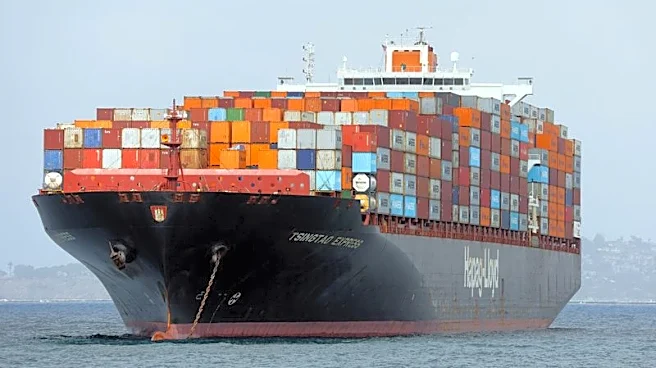
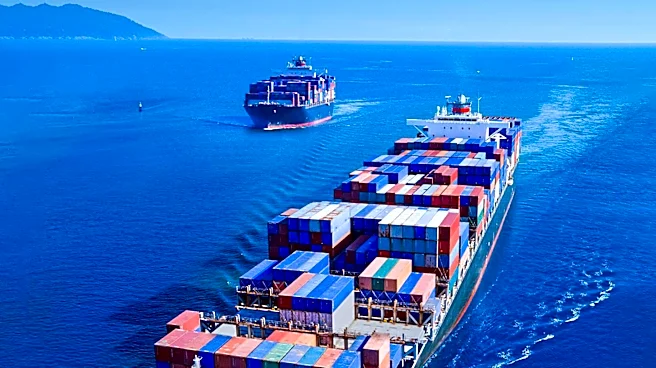
This credit gap in Mexico has profound implications for the U.S. economy and trade relations. Mexico is the largest source of U.S. goods imports, and a constrained Mexican economy due to lack of credit can disrupt supply chains, particularly in sectors like automotive and electronics, which are deeply integrated with U.S. industries. The inability of Mexican MSMEs to access affordable financing limits their growth, innovation, and capacity to serve as suppliers or partners for U.S. businesses. This directly impacts the competitiveness of North American manufacturing. Furthermore, the estimated annual loss of $25 billion to $35 billion in forgone output due to this credit gap represents a significant drag on regional economic potential, affecting cross-border investment and job creation. Addressing this issue could unlock substantial economic benefits for both Mexico and the U.S. by fostering a more robust and resilient North American market.
What's Next?
To bridge the credit gap, Mexican businesses, particularly MSMEs, need to focus on structuring their balance sheets to meet international lending standards. This involves obtaining current appraisals, properly inscribing property titles, preparing financial statements under NIF and ideally auditing them, ensuring clean corporate structures, and maintaining current tax standing. For real estate or equipment collateral, utilizing a fideicomiso de garantía with a Mexican trustee can make foreign lenders more comfortable. The development of a more robust factoring market, similar to Chile's, could also provide crucial liquidity for SMEs. Additionally, exploring alternative financing structures like metal prepayments, streaming, and export credit agency cover can unlock capital for sectors like mining. The Mexican government and financial institutions may need to collaborate to simplify documentation processes and educate businesses on how to make their assets financeable, potentially leading to policy reforms that support asset securitization and collateral perfection.
Beyond the Headlines
The credit gap in Mexico reveals a deeper systemic challenge related to institutional trust, legal frameworks, and financial literacy. The reliance on 'relationships' over documented collateral in domestic lending reflects a historical context where formal legal enforcement might have been less reliable. The transition to a system that prioritizes 'perfectible collateral and enforceable documents' requires significant legal and administrative reforms, as well as a cultural shift among businesses. This issue also highlights the paradox of an economy rich in physical assets but poor in accessible capital, underscoring the importance of robust legal and financial infrastructure for economic development. The potential for $25 billion to $35 billion in annual forgone output is not just an economic statistic; it represents missed opportunities for job creation, poverty reduction, and technological advancement, perpetuating socio-economic disparities. Addressing this gap could fundamentally transform Mexico's economic landscape, fostering greater stability and prosperity.