






What's Happening?
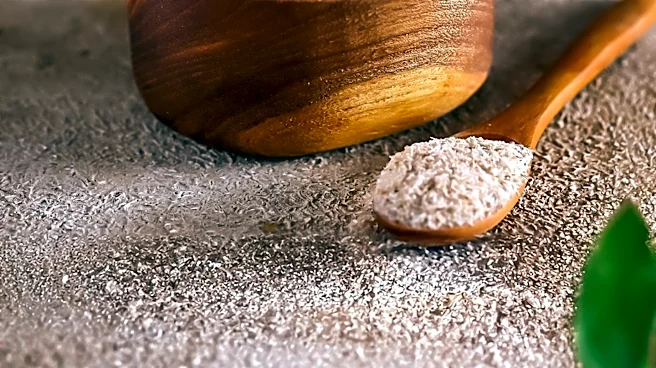
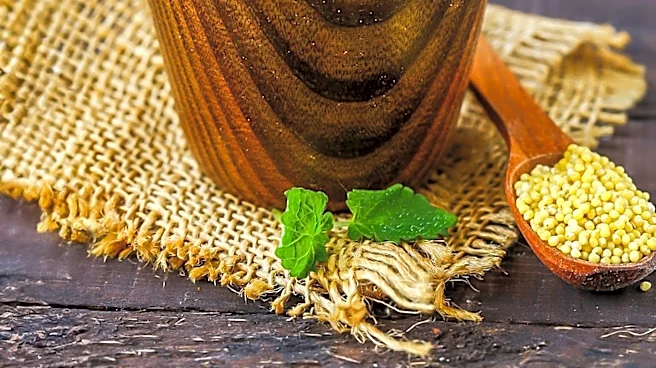
A study conducted in Mumbai's urban slums has found that biofortified pearl millet, enriched with iron and zinc, can improve children's gut health without the adverse effects typically associated with iron supplements. The research, involving 223 children,
showed that those consuming the biofortified millet developed beneficial changes in their gut microbiomes. The study, published in Nature Communications, suggests that biofortified crops could offer a sustainable alternative to traditional supplementation, particularly in regions where iron deficiency is prevalent. The findings highlight the potential of biofortified foods to address nutritional deficiencies while supporting gut health.
Why It's Important?
The use of biofortified crops represents a promising approach to tackling global nutritional deficiencies, particularly in low-income regions. By enhancing the nutrient density of staple foods, biofortification can provide a sustainable solution that integrates seamlessly into existing dietary practices. This approach could reduce reliance on supplements, which often come with logistical challenges and side effects. The study's findings may encourage further research and investment in biofortified crops, potentially leading to widespread adoption in both developing and developed countries. The positive impact on gut health also aligns with current trends emphasizing the importance of a healthy microbiome.