
What's Happening?
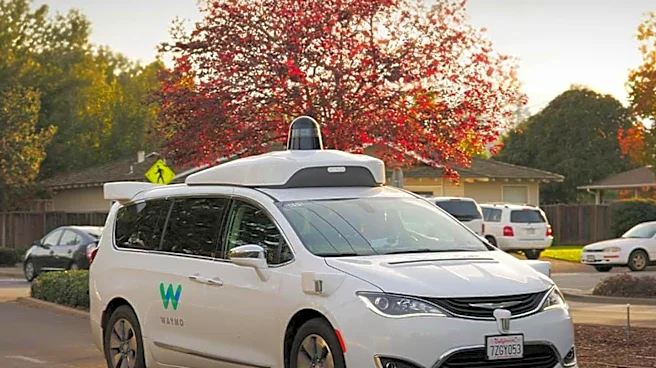
Alphabet's Waymo has introduced a new feature in its Ojai robotaxi, integrating Google's AI assistant, Gemini, to enhance passenger experience. This update allows riders to use Gemini to control cabin
temperature, access journey information, and explore nearby attractions. The Ojai vehicle, designed for passenger comfort, features a spacious cabin and sliding doors, and is currently operating in select cities like San Francisco, Los Angeles, and Phoenix. Waymo aims to differentiate its service by focusing on passenger comfort and personalization, rather than solely on autonomous driving technology.
Why It's Important?
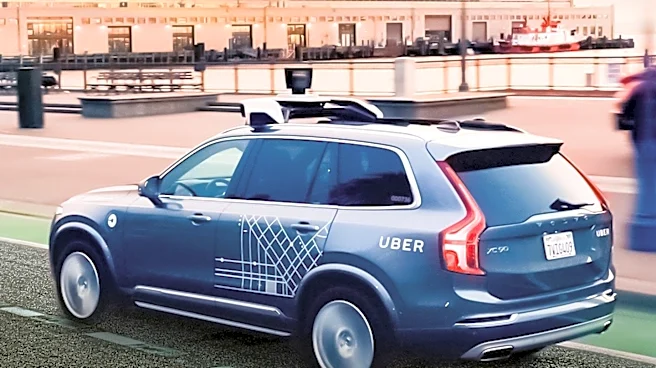
The integration of AI into Waymo's services represents a strategic move to increase the appeal of autonomous rides. By enhancing passenger experience, Waymo seeks to boost utilization rates and encourage repeat bookings, positioning itself as a strong competitor against traditional ride-hailing services like Uber and Lyft. This development is crucial for Alphabet as it attempts to commercialize its autonomous technology and improve the financial performance of its Other Bets segment, which includes Waymo. The success of this initiative could lead to broader adoption of autonomous vehicles and influence the future of urban transportation.
What's Next?
Waymo plans to expand its fully autonomous operations to additional cities, including San Diego, Las Vegas, Denver, and Tampa. The company will focus on increasing ride volume and fleet utilization to improve economic viability. Investors and industry observers will be watching for signs of increased customer loyalty and potential monetization opportunities through premium features. However, challenges such as safety concerns, regulatory hurdles, and financial losses remain, which could impact the pace and scale of Waymo's expansion.