




What's Happening?
Small group travel is emerging as a popular option for U.S. travelers, particularly those seeking unique experiences and logistical ease without the burden of solo planning. According to Leigh Barnes, president, North America for Intrepid Travel, these
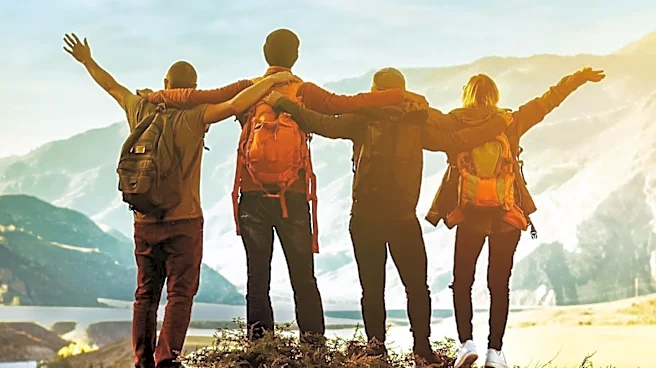
trips handle all logistics, including accommodations, ground transportation, guided excursions, and most meals. This allows travelers to focus on the experience rather than the planning. The trend is appealing to solo travelers who desire companionship without waiting for friends or family, as well as those interested in 'checklist travel goals,' as indicated by Priceline's 2027 Where to Next? Travel Trends Report. Small groups, typically around 12 to 16 people, can access experiences that larger tours cannot, and tour operators like Intrepid maintain global safety standards. Travelers are advised to approach fellow participants with curiosity, maintain a flexible mindset, and leave the planning to the guide for a more enjoyable adventure.
Why It's Important?
The rise of small group travel signifies a notable shift in the U.S. tourism market, impacting various stakeholders. For tour operators, it presents an opportunity to cater to a growing segment of travelers who value curated experiences and convenience. This trend could lead to increased demand for specialized guides, unique local accommodations, and off-the-beaten-path destinations that are more accessible to smaller groups. Local economies in these destinations stand to benefit from the direct spending of these groups on food, lodging, and activities. For individual travelers, it offers a solution to the complexities of planning, especially for those with limited time or who prefer not to travel alone. The emphasis on shared experiences and expert-led itineraries could also foster a deeper engagement with the culture and environment of the visited locations, potentially promoting more responsible and sustainable tourism practices. This model also provides a sense of security and comfort, particularly for those exploring less familiar regions.
What's Next?
As small group travel continues to grow, tour operators are likely to expand their offerings to include a wider range of destinations and activity levels, from cultural adventures to more strenuous expeditions. There may be an increased focus on personalized itineraries within the group setting, allowing for some customization based on individual interests. The integration of technology, such as pre-trip communication platforms and in-trip information sharing, will likely become more sophisticated to enhance the traveler experience. Furthermore, the success of this model could encourage other segments of the travel industry, such as cruise lines or independent travel agents, to explore similar 'curated small group' options. Travelers can expect more diverse choices in terms of group size, demographics, and thematic trips, catering to specific interests like photography, culinary exploration, or adventure sports. The industry will also need to address the balance between providing a structured experience and allowing for spontaneous moments that contribute to the adventure.
Beyond the Headlines
Beyond the practical benefits, the appeal of small group travel touches upon deeper psychological and social needs. In an increasingly digital and individualized world, these trips offer a unique opportunity for genuine human connection and shared experiences with strangers, fostering a sense of community and camaraderie. It challenges the traditional notion of solo travel as purely independent, instead offering a 'solo but not alone' alternative. This model can also democratize access to complex or remote destinations that might be challenging for individuals to navigate independently, providing a safer and more enriching way to explore. The reliance on expert guides not only simplifies logistics but also enriches the educational aspect of travel, offering insights that might be missed otherwise. This trend reflects a desire for both comfort and adventure, suggesting a nuanced evolution in how people seek fulfillment through travel.