




What's Happening?
Recent allegations of sexual misconduct against prominent figures like Russell Brand and David Walliams have prompted a re-evaluation of 2000s pop culture, particularly its treatment of women. The period, characterized by shows like 'Never Mind the Buzzcocks'
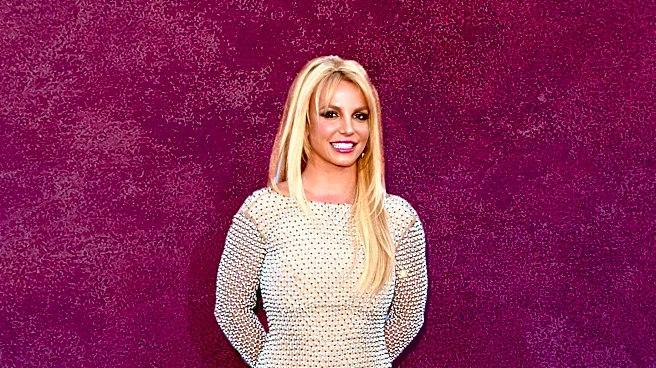
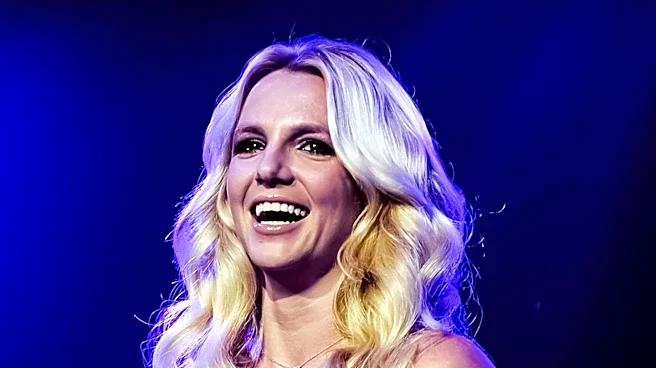
and the prevalence of 'lads' mags,' is now being viewed through a different lens. Incidents such as a host telling choreographer Arlene Phillips she looked like she 'run a good whore house' and a website counting down to Charlotte Church's 16th birthday for sexual consent are highlighted as examples of the era's misogynistic undertones. Sophie Gilbert, author of 'Girl on Girl: How Pop Culture Turned a Generation of Women Against Themselves,' describes the culture as 'profoundly, openly, cheerfully horrible to women,' where women were expected to 'own their own objectification' without complaint. Celebrities like Britney Spears and Charlotte Church faced intense scrutiny, body shaming, and sexual objectification from paparazzi and media outlets, with their private lives and bodies frequently sensationalized for public consumption.
Why It's Important?
This re-examination of 2000s pop culture is important because it sheds light on how deeply ingrained misogyny was in mainstream media and entertainment, influencing societal norms and the perception of women. The widespread acceptance of objectifying humor and the relentless scrutiny of female celebrities contributed to an environment where serious misconduct could be overlooked or normalized. The lack of accountability for powerful figures and the pressure on women to conform or remain silent created a challenging landscape for those who experienced harassment or abuse. This historical context helps to understand the evolution of discussions around consent, gender equality, and media ethics, highlighting the long-term impact of such cultural environments on individuals and society. The current scrutiny underscores a shift in public willingness to confront misogyny and demand accountability, even for past actions, influencing contemporary media practices and corporate responsibilities.
What's Next?
The ongoing discussions and investigations into past behaviors of public figures are likely to continue shaping how the entertainment industry addresses issues of misconduct and accountability. There is an increased demand for transparent reporting procedures and a proper 'duty of care' within media organizations, as highlighted by comedian Lucy Beaumont. This could lead to reforms in industry standards, particularly in areas like television production where formal HR departments for talent may be lacking. The public's heightened awareness and the ability to use social media for accountability suggest that future instances of misogynistic content or behavior will face swifter and more widespread condemnation. While 'lad culture' and misogyny still exist, albeit in different forms like online abuse and 'incel' culture, the cultural willingness to confront these issues is growing, potentially leading to more inclusive and respectful media environments.
Beyond the Headlines
The re-evaluation of 2000s pop culture extends beyond individual allegations, prompting a deeper look into the ethical and cultural dimensions of media consumption and production. The phenomenon of audiences 'baying for humiliation,' as described by former New York gossip columnist Ben Widdicombe, reveals a complex interplay between media supply and public demand. This raises questions about collective responsibility in perpetuating harmful narratives and the ethical obligations of media outlets. The comparison of 'lads' mags' to contemporary platforms like OnlyFans suggests a continuous evolution of how women's bodies and sexuality are commodified and consumed, highlighting persistent challenges in achieving genuine gender equality in media representation. The difficulty for whistleblowers to come forward due to fear of career repercussions also points to systemic issues within the industry that prioritize financial clout over ethical conduct, underscoring the need for fundamental cultural shifts rather than just superficial changes.