








What's Happening?
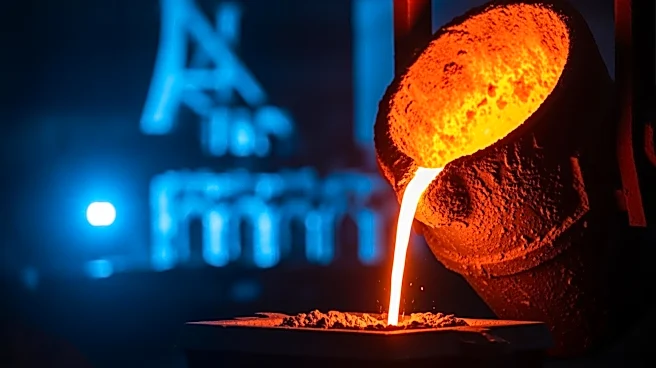
The University of New South Wales (UNSW) is spearheading a research initiative aimed at reducing emissions from steelmaking by adapting existing blast furnace technology. This project, supported by the Australian Renewable Energy Agency (ARENA), focuses
on the Renewable Injections-Sustainable Burdens (RISB) process. The RISB approach integrates renewable injection materials and alternative burden materials into conventional blast furnace operations. The goal is to develop a low-emission blast furnace ironmaking process that can be implemented using existing infrastructure, potentially reducing the need for new production systems. This initiative is part of a broader effort to decarbonize the iron and steel sector, which is a significant source of greenhouse gas emissions globally.
Why It's Important?
The project is crucial as it addresses the challenge of reducing emissions in the steel industry, a major contributor to global greenhouse gas emissions. By focusing on existing infrastructure, the initiative aims to provide a cost-effective solution for the industry to transition towards lower emissions. This could enhance the competitiveness of Australian iron ore in emerging low-emissions markets. The research supports Australia's broader transition to net zero emissions, aligning with global efforts to combat climate change. Successful implementation could set a precedent for other countries and industries seeking to reduce their carbon footprint.
What's Next?
The project is currently advancing research and development activities to assess the technical feasibility and practical application of the RISB process. ARENA's funding round encourages the development of technologies that support domestic steel decarbonization. If successful, the project could lead to the deployment of lower-emissions ironmaking technologies within existing operations. This would be a significant step towards achieving emissions reduction objectives in the steel industry.