




What's Happening?
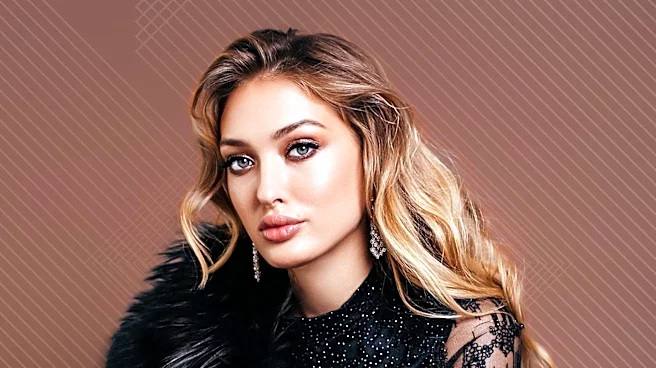
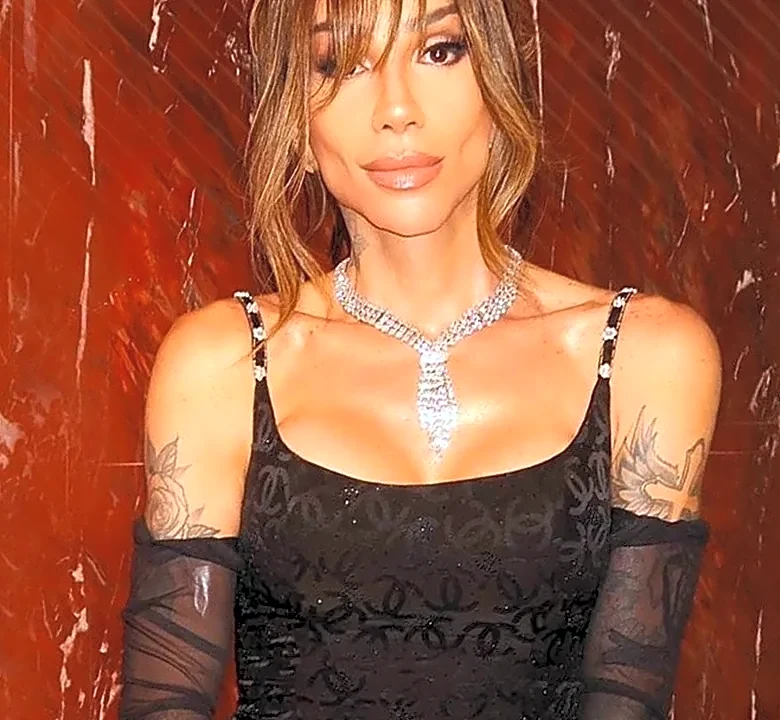
The 'mob wife' aesthetic is gaining traction as a contemporary fashion trend, characterized by luxurious and glamorous elements. This style often features vegan fur stoles, faux fur coats, black dresses, and gold accessories, aiming to evoke an 'Old Hollywood'
vibe. The proliferation of this and similar aesthetics is largely driven by social media platforms, where creators amplify trends and users experiment with different personas. This phenomenon is part of a broader shift where fashion cycles originate directly on social platforms, rather than through traditional channels like movies, music, or magazines. Social media algorithms play a significant role by curating personalized feeds, exposing users to specific aesthetics, and accelerating consumption cycles. This rapid adoption of trends allows users to signal cultural literacy and explore various identities in a low-risk digital environment.
Why It's Important?
The rise of the 'mob wife' aesthetic highlights the profound influence of social media on contemporary fashion and consumer behavior in the U.S. This trend signifies a shift in how fashion is disseminated and consumed, moving power from traditional tastemakers to online creators and algorithms. For U.S. industries, particularly fashion and retail, this means a faster trend cycle and increased pressure to adapt quickly to rapidly evolving consumer preferences. Brands that can effectively leverage social media to identify and capitalize on these microtrends stand to gain, while those slower to adapt may struggle. Consumers are increasingly influenced by algorithmic curation, which can lead to a more standardized personal style rather than individual expression. This also fuels the fast-fashion industry, as the desire to keep up with fleeting trends drives frequent purchases, impacting both economic and environmental aspects.
What's Next?
The continuous evolution of social media algorithms and user engagement will likely lead to the emergence of more niche and rapidly changing fashion aesthetics. We can expect fashion brands and retailers to further integrate social media strategies into their marketing and product development cycles, potentially leading to more direct-to-consumer models influenced by real-time trend data. Content creators will continue to be pivotal in shaping and popularizing these aesthetics, potentially leading to new forms of collaboration between influencers and brands. Consumers may see an even greater acceleration in trend cycles, requiring constant updates to wardrobes to remain 'culturally literate.' This could also prompt discussions around the environmental impact of fast fashion and the psychological effects of algorithmic influence on personal identity and style.
Beyond the Headlines
The 'mob wife' aesthetic, like many social media-driven trends, reflects deeper cultural dynamics. It represents a desire for escapism and the adoption of powerful, glamorous personas in a digital age. This trend also touches upon themes of identity formation in a hyper-connected world, where individuals can easily experiment with different 'looks' and affiliations. The ethical implications of algorithms shaping personal taste and driving consumption are also significant, raising questions about genuine individuality versus curated conformity. Furthermore, the aesthetic's 'Old Hollywood' inspiration suggests a nostalgic yearning for past eras of perceived glamour and sophistication, contrasting with the often-casual nature of modern life. This interplay between historical influences and digital amplification creates a complex cultural landscape where fashion becomes a fluid expression of identity and belonging.