


What's Happening?
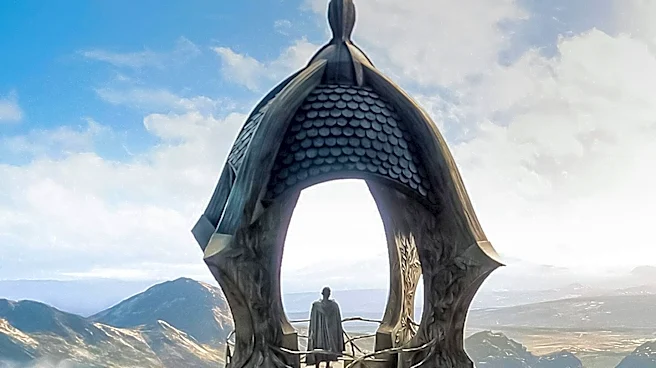
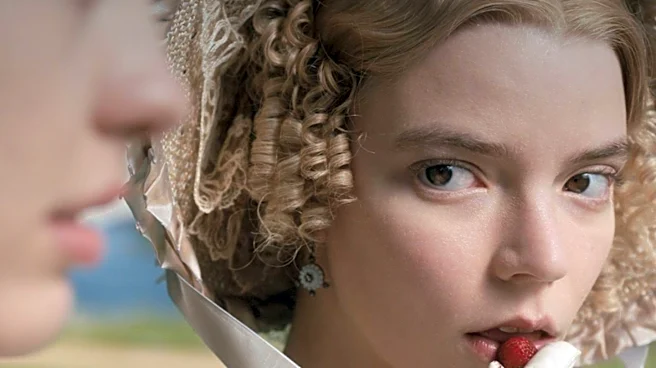
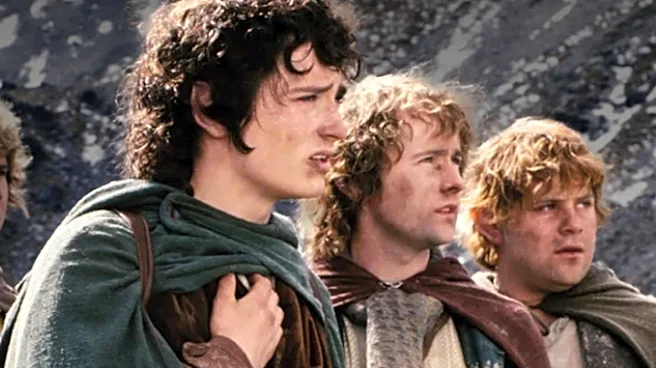
Elijah Wood, known for his role as Frodo Baggins in 'The Lord of the Rings' franchise, has publicly debunked a series of AI-generated images falsely claiming to be a "first look" at the upcoming film, 'The Lord of the Rings: The Hunt for Gollum'. An online
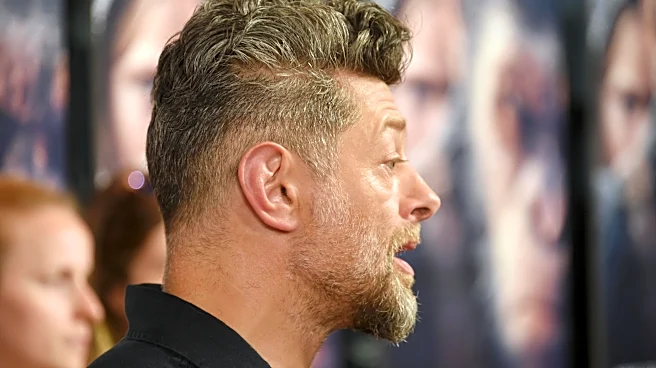
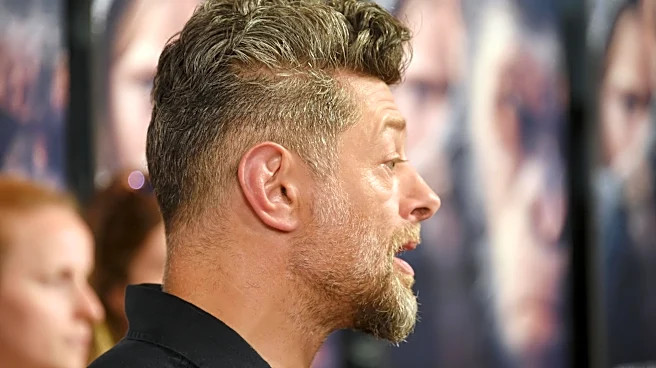
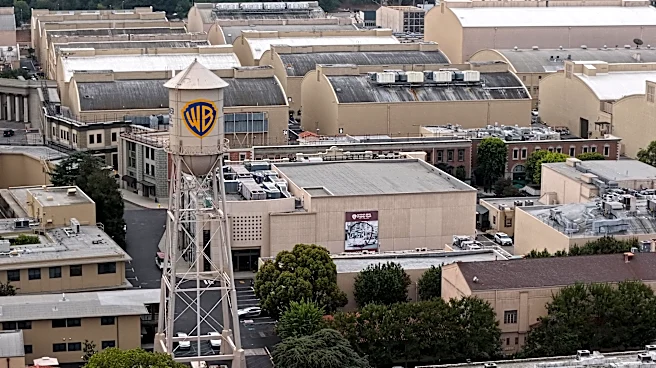
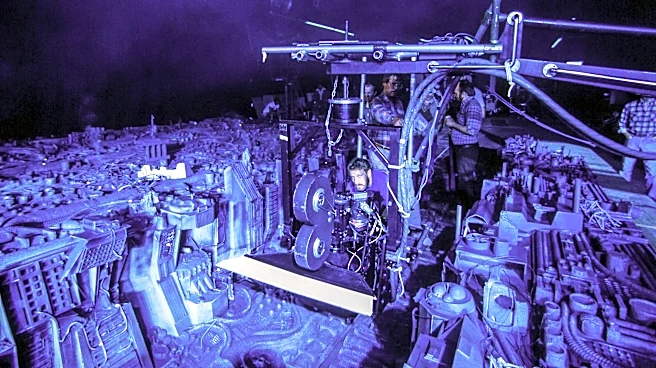
publication shared these mock-ups on Twitter, featuring AI-created depictions of actors like Lee Pace as Thranduil, Ian McKellen as Gandalf the Grey, Wood as Frodo Baggins, Jamie Dornan as Aragorn, and Anya Taylor-Joy as Seren. Wood responded to the post on Twitter, stating, "this is AI BS." Following his intervention, the social media platform added a label to the images confirming their artificial intelligence origin. Filming for 'The Lord of the Rings: The Hunt for Gollum' has recently concluded, with official behind-the-scenes content from Warner Bros. showing glimpses of the Shire and the back of Frodo's head, but no official character images have been released.
Why It's Important?
This incident highlights the growing challenge of distinguishing authentic content from AI-generated fabrications, particularly within the entertainment industry and fan communities. The rapid spread of these fake images, despite their "strange, uncanny details" and "odd expressions on faces," underscores the need for media literacy and critical evaluation of online content. For studios and actors, such misinformation can create confusion among fans, manage expectations inaccurately, and potentially dilute the impact of official marketing efforts. The quick debunking by a prominent figure like Elijah Wood, followed by the social media platform's labeling, demonstrates a proactive approach to combating AI-driven disinformation. This event serves as a case study for how public figures and platforms can work to maintain factual integrity in an increasingly AI-saturated digital landscape, protecting both intellectual property and audience trust.
What's Next?
As 'The Lord of the Rings: The Hunt for Gollum' approaches its December 17, 2027 release date, official promotional materials, including genuine first-look images and trailers, are expected to be released by Warner Bros. These official releases will be crucial in setting accurate expectations and countering any lingering misinformation from AI-generated content. The incident may also prompt further discussions within the entertainment industry and social media platforms about implementing more robust verification processes and clearer labeling for AI-generated content. Fans will likely remain vigilant for official announcements, relying on trusted sources for updates on the film. The ongoing development of AI technology suggests that similar incidents of fabricated content will likely continue, necessitating continued efforts from creators, platforms, and consumers to identify and address them.
Beyond the Headlines
The circulation of AI-generated "first look" images for a highly anticipated film like 'The Lord of the Rings: The Hunt for Gollum' points to broader ethical and legal implications surrounding artificial intelligence in creative fields. The ease with which AI can mimic and generate convincing, yet false, visual content raises questions about copyright infringement, intellectual property rights, and the potential for AI to undermine the value of original artistic work. This event also touches upon the evolving relationship between creators and their audience in the digital age, where the line between fan-made content and official releases can become blurred. The incident underscores the need for clear guidelines and technological solutions to differentiate AI-generated content, ensuring that audiences can trust the authenticity of the media they consume and that artists' work is protected from unauthorized AI replication.