

What's Happening?
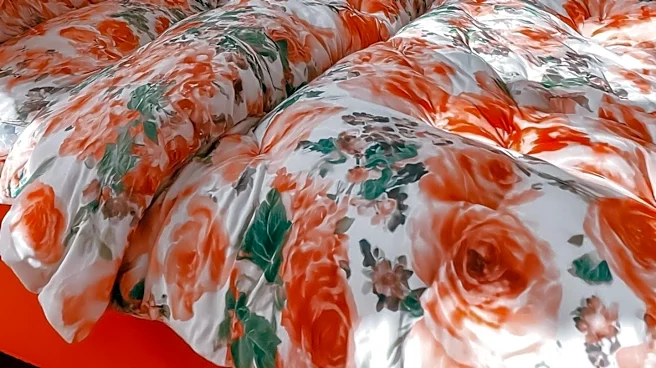
Maximalism, an aesthetic defined by abundance, opulence, and extravagance, is experiencing a significant resurgence in home design and fashion. This trend stands in stark contrast to minimalism, promoting a more textured and warm interior style with an emphasis
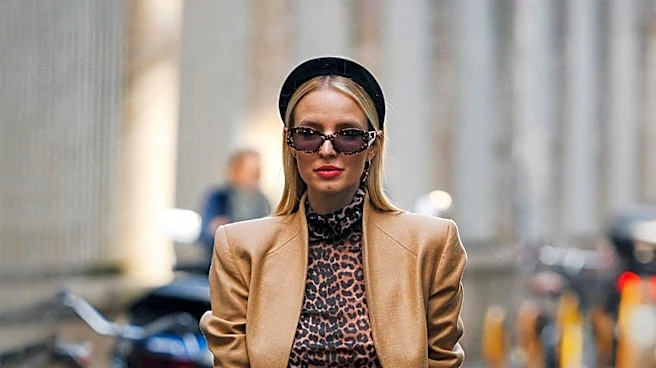
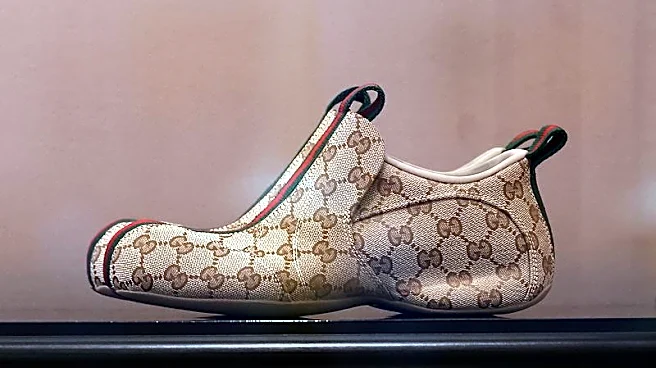
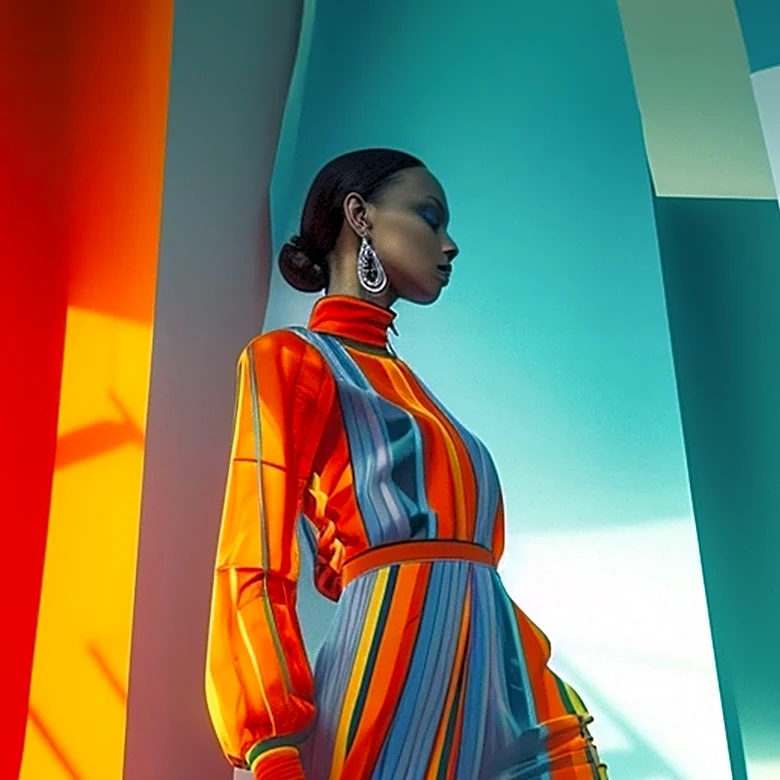
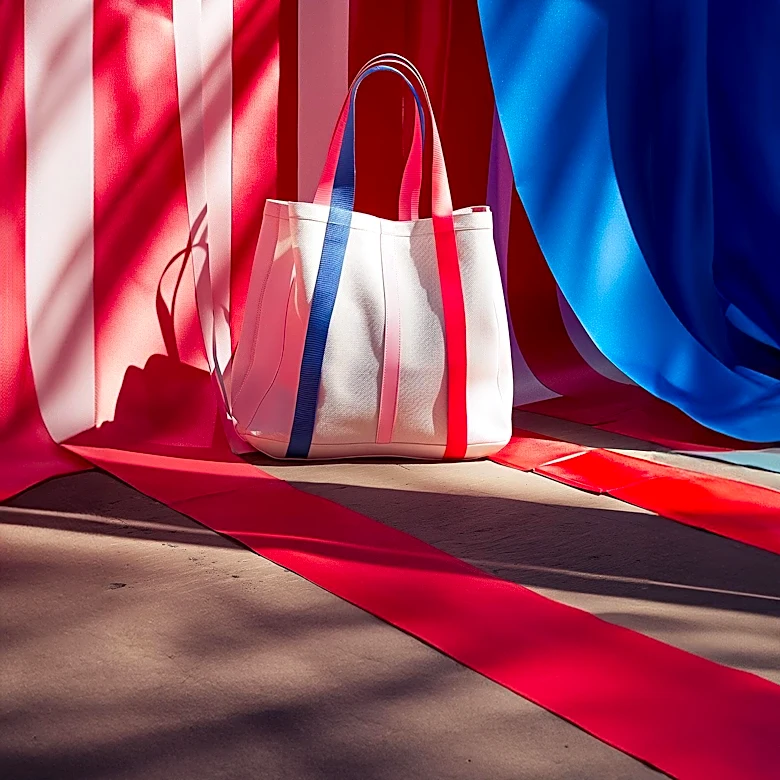
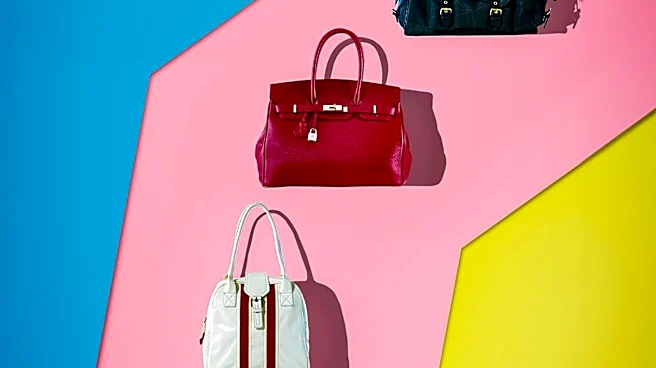
on growth and color. In home design, recent shifts include a move towards irregular shapes and warm colors, departing from the rigid right angles often associated with minimalist aesthetics. This revival extends to fashion, where 1980s styles, characterized by their volume, bold colors, and statement accessories, are making a notable comeback. Examples include voluminous hairstyles, neon windbreakers, and chunky plastic jewelry, which were once considered outdated but are now viewed as bold and confident style references. The return of maximalism is also evident in luxury fashion, with brands like Gucci consistently leaning into crystal embellishment, oversized scales, and confident use of hardware in their designs.
Why It's Important?
The return of maximalism signifies a broader cultural shift away from the restrained and often uniform aesthetics of minimalism. This trend impacts various U.S. industries, particularly retail, fashion, and home decor, by driving demand for products that are colorful, ornate, and expressive. For consumers, it offers an opportunity for greater personalization and self-expression in their living spaces and personal style, moving beyond the often-impersonal nature of minimalist trends. Businesses in these sectors stand to gain by adapting their product lines to cater to this demand, focusing on vibrant colors, diverse textures, and elaborate designs. Conversely, companies heavily invested in minimalist product lines may need to innovate or diversify to remain competitive. The embrace of 1980s aesthetics, in particular, taps into nostalgia, creating a market for vintage items and inspiring new designs that reinterpret past trends. This shift also highlights the cyclical nature of fashion and design, where previously discarded styles can re-emerge as significant cultural statements.
What's Next?
The continued embrace of maximalism is likely to influence upcoming collections in fashion and home furnishings, with designers incorporating more vibrant palettes, intricate patterns, and luxurious materials. We can anticipate a further proliferation of bold accessories, statement furniture pieces, and eclectic decor items in retail markets. The trend may also lead to increased interest in custom and artisanal products, as consumers seek unique items that reflect the maximalist ethos of individuality and abundance. Furthermore, the integration of maximalist principles into live events, as noted by Angeli Gianchandani from the University of New Haven, suggests a future where immersive and visually rich experiences become more prevalent. This could translate into more elaborate event designs, interactive installations, and highly stylized public spaces. The ongoing reinterpretation of historical styles, particularly from the 1980s, will likely continue, with new iterations of classic maximalist elements appearing in contemporary contexts.
Beyond the Headlines
The resurgence of maximalism can be seen as a cultural response to various societal factors, including a desire for comfort, individuality, and a rejection of austerity. In an increasingly digital and often sterile world, the tactile and visually rich nature of maximalism offers a sense of warmth and personality. Ethically, this trend could encourage more sustainable consumption if it promotes the repurposing of vintage items and a focus on quality pieces designed to last, rather than disposable fast fashion. However, it could also lead to increased consumption if not managed thoughtfully. Culturally, maximalism challenges the notion that 'less is more,' advocating for a 'more is more' philosophy that celebrates excess and visual storytelling. This shift might also reflect a broader societal yearning for optimism and exuberance, providing a colorful antidote to prevailing anxieties. The emphasis on personal expression through design and fashion could foster greater creativity and diversity in aesthetic choices, moving away from homogenized trends.