






What's Happening?
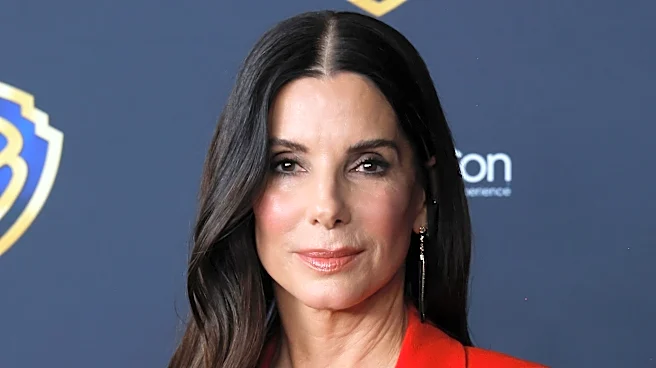
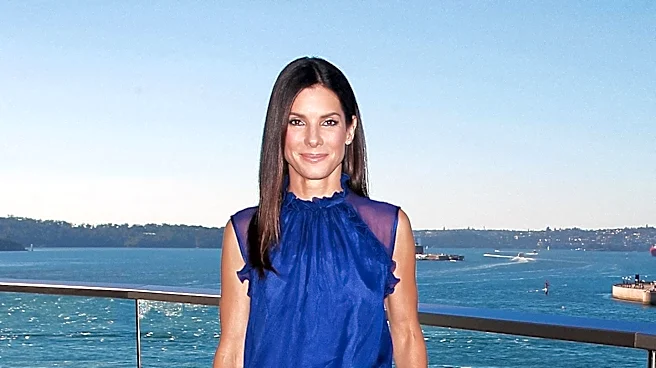
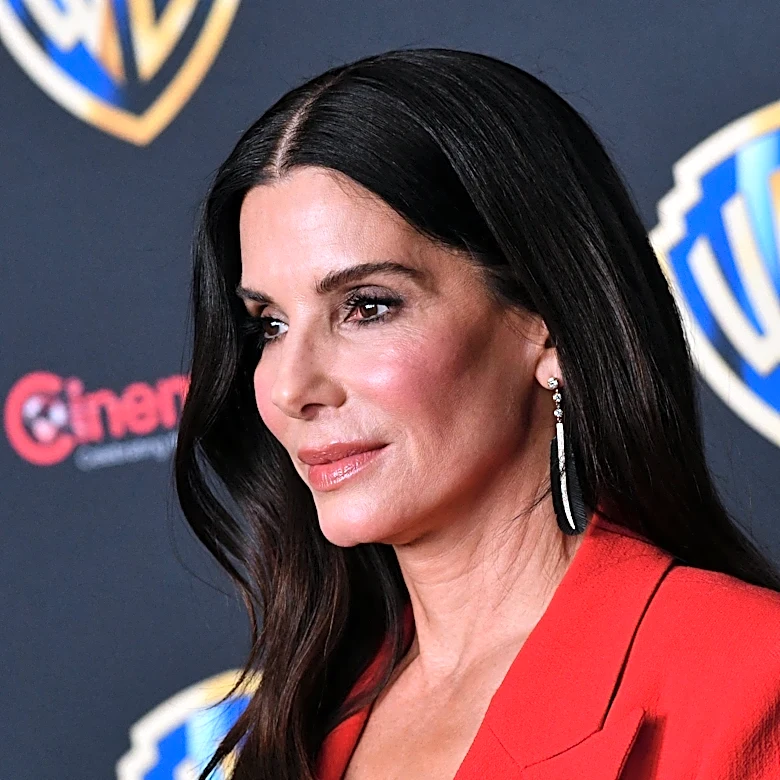
Actress Sandra Bullock has publicly addressed the death of her longtime partner, Bryan Randall, for the first time since his passing in August 2023. During an appearance on the SmartLess podcast, Bullock shared details about Randall's private three-year
battle with Amyotrophic Lateral Sclerosis (ALS). She revealed that Randall had chosen to keep his illness private, a request she honored, which added a significant burden to her. Bullock explained that she began grieving Randall four years before his death, noting that he was ill for half of their relationship. She described the experience as a "traumatic diagnosis" and the isolation she felt due to the secrecy surrounding his condition. The actress also touched upon the emotional toll of caring for their blended family, including her two children, Louis and Laila, and Randall's daughter, Skylar, while managing his declining health. She mentioned that the physical illness coupled with the mental health aspects created a "trifecta that was pretty dark."
Why It's Important?
Sandra Bullock's decision to speak out about Bryan Randall's ALS battle sheds light on the profound impact of chronic and terminal illnesses on families, particularly when kept private. Her experience highlights the emotional and psychological challenges faced by caregivers and partners, including the burden of secrecy and anticipatory grief. This public disclosure by a prominent figure can raise awareness about ALS, a progressive neurodegenerative disease with no cure, and the importance of support systems for those affected. It also underscores the personal sacrifices made by individuals in the public eye to protect the privacy of their loved ones during difficult times. The narrative emphasizes the often-unseen struggles behind celebrity lives, fostering empathy and potentially encouraging more open conversations about grief, illness, and mental health within families facing similar circumstances. Her account also brings attention to the need for resources and understanding for families navigating such complex health journeys.
What's Next?
Following her candid interview, Sandra Bullock's story may prompt further discussions about ALS awareness and the challenges faced by patients and their families. Her openness could encourage other individuals dealing with similar private health battles to seek support or share their experiences, potentially reducing the stigma associated with such conditions. Advocacy groups for ALS research and patient support may see increased attention and donations as a result of her high-profile testimony. For Bullock herself, this public sharing marks a significant step in her grieving process and her return to the public eye, suggesting a potential shift towards more openness about her personal life. Her narrative could also influence how public figures manage privacy surrounding personal health crises, potentially leading to more nuanced approaches to media engagement during times of personal hardship. The interview may also inspire more celebrities to use their platforms to advocate for health-related causes.
Beyond the Headlines
Beyond the immediate impact of raising ALS awareness, Bullock's account delves into the deeper psychological and social implications of private grief and illness. Her description of grieving Randall long before his physical passing highlights the concept of anticipatory grief, a complex emotional process experienced by caregivers as they witness the decline of a loved one. The burden of maintaining secrecy, as she described, underscores the societal pressure on public figures to uphold a certain image, even in the face of profound personal suffering. This situation raises ethical questions about the right to privacy for individuals and their families, especially when dealing with sensitive health matters, versus the public's interest in celebrity lives. Her story also subtly critiques the lack of public discourse around the mental health aspects intertwined with physical illness, suggesting a need for more comprehensive support systems that address both dimensions. It serves as a powerful reminder of the human experience of loss, irrespective of public status.