




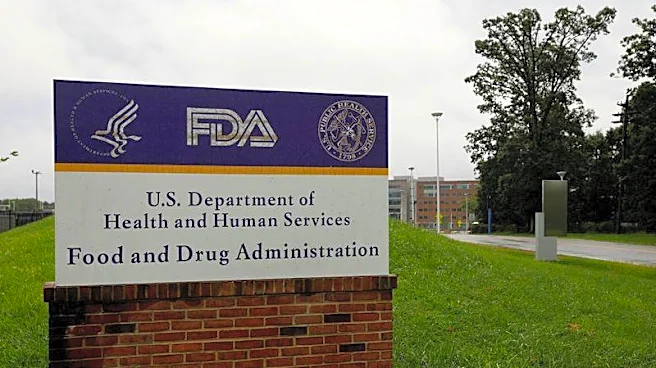
What's Happening?
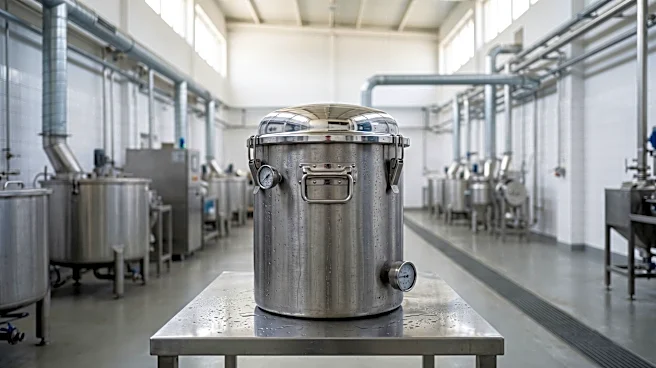
Foreign facilities that manufacture, process, pack, or hold matcha tea for consumption in the United States are required to register with the U.S. Food and Drug Administration (FDA), unless a specific exemption applies. This registration is tied to the physical
premises of the facility, not the brand or seller of the matcha. The FDA mandates biennial renewal for these registrations, with the next window for renewal scheduled from October 1 to December 31, 2026. This requirement is part of the FD&C Act and 21 CFR 1.225, which stipulates that any domestic or foreign facility involved in the food supply chain for U.S. consumption must register. The process is distinct from product approval, Prior Notice, or safety certificates. Facilities must provide legal name, physical address, activities, product categories, emergency contact, Unique Facility Identifier, and US Agent details. A US Agent is a crucial contact point for the FDA within the U.S.
Why It's Important?
This FDA registration requirement is critical for ensuring the safety and regulatory compliance of matcha tea imported into the U.S. It establishes a clear chain of accountability for foreign food facilities, allowing the FDA to monitor and regulate the origins of food products. For U.S. businesses, particularly importers, distributors, and retailers of matcha, understanding and verifying their suppliers' FDA registration status is paramount to avoid shipment delays, rejections, or legal penalties. Non-compliance can lead to significant financial losses due to held shipments at ports and potential damage to business reputation. The biennial renewal cycle means that even previously registered facilities must re-register, emphasizing the ongoing responsibility of both foreign facilities and U.S. importers to maintain current and accurate information with the FDA. This regulatory framework helps protect U.S. consumers from potentially unsafe or mislabeled products by ensuring that foreign facilities adhere to U.S. food safety standards.
What's Next?
Foreign facilities supplying matcha to the U.S. must prepare for the 2026 biennial renewal period, which runs from October 1 to December 31. They need to ensure all facility information, including US Agent details, is accurate and updated. U.S. importers should proactively communicate with their foreign suppliers to confirm their registration status and ensure timely renewal. Beyond facility registration, importers must also fulfill other critical requirements before matcha can enter the U.S., including filing Prior Notice for each shipment, adhering to Foreign Supplier Verification Program (FSVP) obligations, and ensuring product labeling meets U.S. standards. Importers should conduct hazard analyses for specific matcha products, assess supplier food-safety performance, and maintain records for FDA review. Failure to comply with any of these regulations could result in shipments being detained or refused entry, leading to significant disruptions in the supply chain and potential financial repercussions.
Beyond the Headlines
The FDA's stringent requirements for foreign food facilities highlight a broader trend towards increased global food safety and supply chain transparency. While seemingly administrative, these regulations have profound implications for international trade and consumer trust. The emphasis on the 'facility' rather than the 'brand' underscores a shift towards holding the actual producers accountable, regardless of who markets the product. This framework also places a significant burden on U.S. importers, who are now responsible for verifying the compliance of their foreign suppliers, effectively extending U.S. regulatory reach beyond its borders. This can lead to higher operational costs for importers and potentially influence sourcing decisions, favoring suppliers who are already well-versed in U.S. regulations. Ultimately, these measures aim to create a more secure and transparent global food supply chain, but they also necessitate continuous vigilance and adaptation from all stakeholders involved in the import of food products like matcha into the U.S.