




What's Happening?
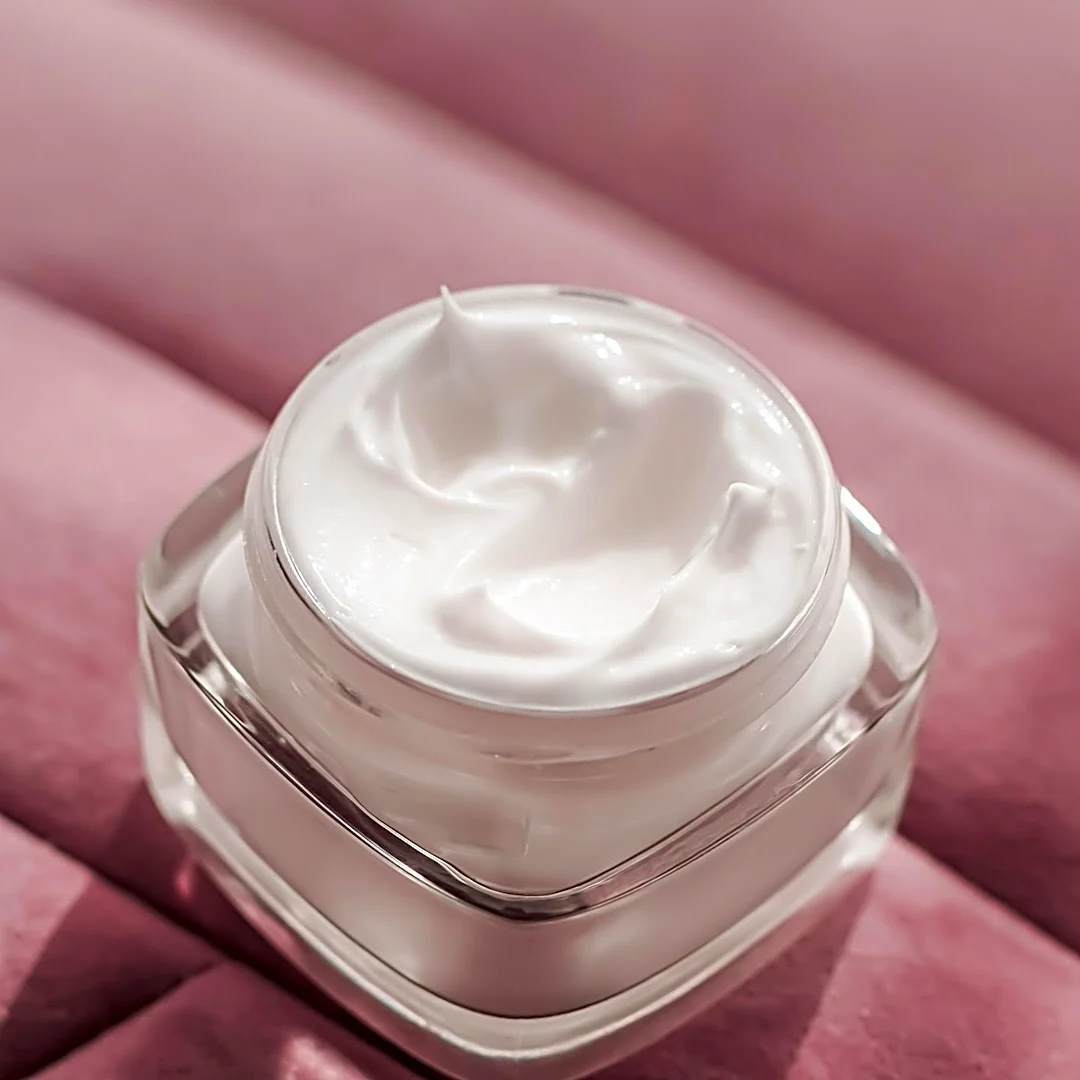
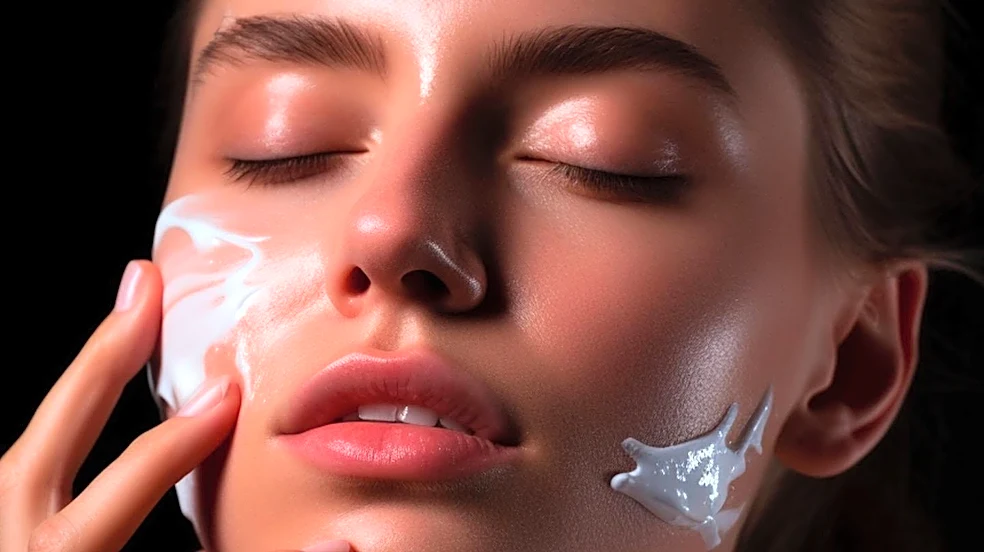
Dermatologists and skincare experts are emphasizing the importance of moisturizers containing barrier-repairing ingredients like ceramides, glycerin, and hyaluronic acid for treating dry, itchy skin. These ingredients are crucial for supporting the skin barrier,
attracting water, softening roughness, and slowing moisture loss. The advice highlights that the best moisturizer is one that is well-tolerated and used consistently, with recommendations for richer creams or ointments for very dry areas and lighter lotions for mild dryness. The discussion also covers the 'itch-scratch cycle' and how proper moisturization can help break it, along with advice on shower habits and when to consult a dermatologist for persistent issues.
Why It's Important?
This expert guidance is vital for consumers in the U.S. struggling with dry and itchy skin, as it provides clear, actionable advice on selecting effective products. For the skincare industry, it reinforces the demand for formulations that prioritize skin barrier health, driving innovation in product development. The emphasis on specific ingredient classes—humectants, emollients, and occlusives—educates consumers and encourages them to look beyond marketing claims to understand product efficacy. This focus can lead to a more informed consumer base, potentially shifting market trends towards scientifically backed ingredients and away from less effective or potentially irritating formulations. It also underscores the role of dermatologists in shaping public health recommendations for skin care.
What's Next?
The continued focus on barrier-repairing ingredients will likely lead to an increase in product offerings that prominently feature ceramides, glycerin, and hyaluronic acid. Skincare brands will probably enhance their educational content to explain the science behind these ingredients and their benefits for skin health. Consumers can expect more detailed labeling and marketing that highlights the functional aspects of moisturizers. There may also be a rise in personalized skincare recommendations based on individual skin barrier needs and sensitivities. Furthermore, the medical community will likely continue to advocate for consistent and appropriate moisturization as a primary strategy for managing dry and itchy skin, potentially influencing public health campaigns and clinical guidelines.
Beyond the Headlines
The discussion around skin barrier health has significant implications for overall well-being, as chronic dry and itchy skin can impact quality of life, sleep, and even mental health. Ethically, the emphasis on effective, science-backed ingredients promotes responsible product development and marketing, moving away from fads. Legally, clear guidelines on ingredient claims and product efficacy will become increasingly important to protect consumers. Culturally, there's a growing recognition of skin health as an integral part of self-care and general health, fostering a more holistic approach to beauty. This shift encourages individuals to understand their skin's needs and adopt routines that support its natural functions, leading to healthier skin and improved comfort for many.