






What's Happening?
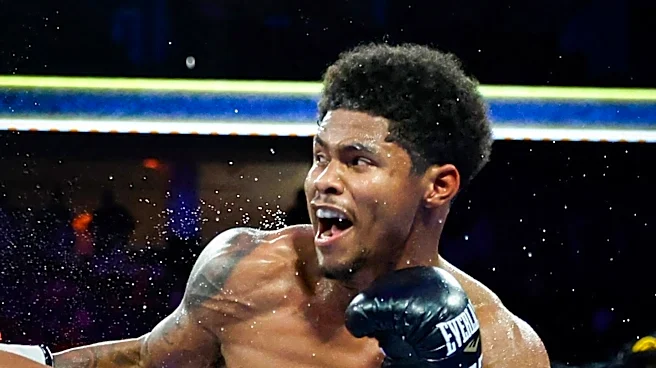
Shakur Stevenson, the WBO light welterweight champion, is facing a critical deadline today, November 16, to reach an agreement with his mandatory challenger, Raymond Muratalla. Failure to do so could result in the WBO ordering a purse bid for the fight.
This situation follows the collapse of a highly anticipated bout between Stevenson and Devin Haney, primarily due to disagreements over weight and rehydration clauses. Stevenson had sought a 144-pound limit with a rehydration cap, while Haney was willing to fight at 145 pounds without a fight-morning weight cap. After the Haney talks fell through, Stevenson was released from Zuffa Boxing and is now a free agent, facing a mandatory defense without the significant payday that the Haney fight would have offered.
Why It's Important?
This situation is critical for Shakur Stevenson's career and the U.S. boxing landscape. The inability to secure a high-profile fight with Devin Haney, coupled with the looming mandatory defense against Raymond Muratalla, puts Stevenson in a challenging position. A purse bid could lead to a lower payout than desired, impacting his financial standing and market value as a free agent. For the sport, the breakdown of major fights due to negotiation impasses highlights the complexities of matchmaking and the financial stakes involved. The WBO's deadline underscores the regulatory pressures on champions to defend their titles, ensuring competitive integrity but also potentially forcing fighters into less lucrative matchups. This scenario could influence future contract negotiations for other top fighters and the strategies promoters employ to secure major bouts.
What's Next?
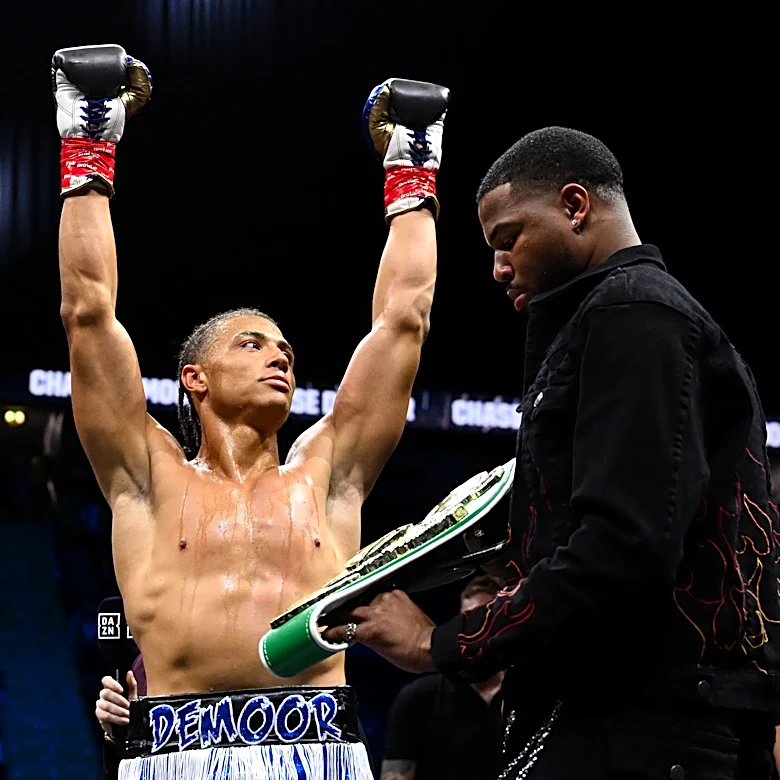
The immediate next step is the expiration of the WBO's deadline today, November 16, for Shakur Stevenson to reach a deal with Raymond Muratalla. If no agreement is made, the WBO will likely order a purse bid, which could determine the financial terms and promotional rights for the fight. Meanwhile, Devin Haney is scheduled to fight IBF champion Liam Paro on December 19, a bout that could further solidify Haney's position in the welterweight division and potentially make a future fight with Stevenson even less likely at a lower weight. Stevenson, as a free agent, will also need to secure a new promotional deal, which will be influenced by the outcome of his mandatory defense and his marketability moving forward.
Beyond the Headlines
The challenges faced by Shakur Stevenson extend beyond the immediate fight negotiations, touching upon broader issues within professional boxing. The power dynamics between fighters, promoters, and sanctioning bodies are clearly at play, with weight and rehydration clauses becoming significant points of contention in high-stakes matchups. Stevenson's release from Zuffa Boxing and his current free-agent status highlight the precarious nature of a fighter's career, where financial security and career progression are heavily dependent on strategic alliances and successful negotiations. This situation also raises questions about fighter compensation and the balance between mandatory defenses and more lucrative, fan-demanded super-fights. The outcome of Stevenson's current predicament could serve as a case study for how top-tier talent navigates the complex business of boxing.