






What's Happening?
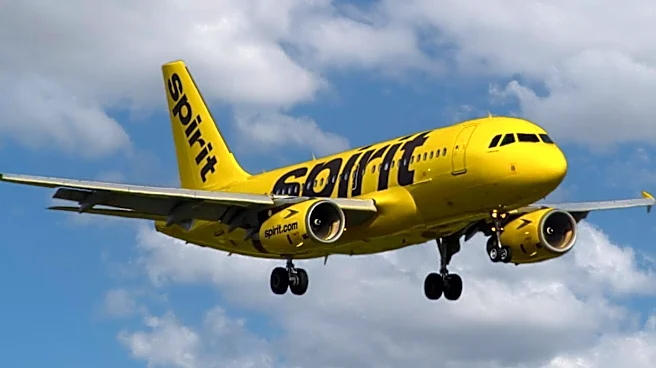
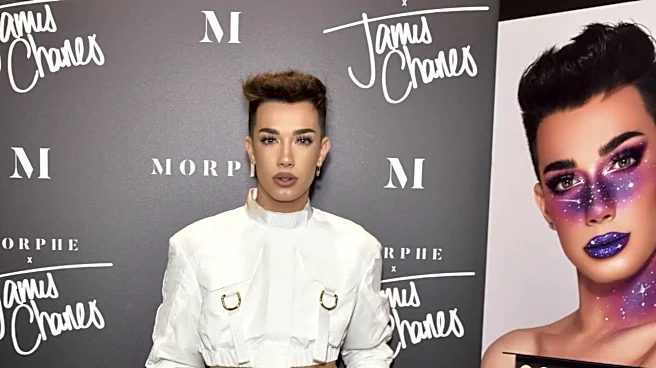
A student news article from Hoover High School's publication, 'The Cardinal,' has criticized YouTuber James Charles for his recent behavior. The article, titled 'Skip this one,' highlights concerns about Charles's conduct, including mocking a flight attendant
and allegations of sending inappropriate messages to minors. According to the student writer, Marley Valadez, Charles, known for his makeup tutorials and brand promotions, used his platform to ridicule a struggling mother who was a former Spirit Airlines flight attendant. Charles reportedly made a TikTok video expressing his feelings of being used and stating that people's financial problems were not his concern, causing embarrassment to the mother. The article also references past accusations from February 2021, where Charles was accused of texting minors and sending inappropriate photos. Although Charles claimed the individuals stated they were 18, these allegations led to Morphe Cosmetics cutting ties with him and YouTube temporarily demonetizing his channel. Despite these controversies, the article notes that Charles remains popular and financially successful.
Why It's Important?
This student news article is important as it reflects a growing awareness and critical perspective among younger audiences regarding influencer accountability and ethical conduct. The criticism from a high school publication underscores how the actions of public figures like James Charles can resonate with and influence younger demographics, who are often primary consumers of social media content. The article highlights the potential negative impact of influencers who, despite promoting products and having large followings, engage in behavior perceived as harmful or lacking empathy. The continued popularity and financial success of Charles, even after serious allegations and business repercussions, raise questions about the effectiveness of current accountability mechanisms within the social media and influencer industries. It also brings to light the challenges in holding influencers responsible for their actions, especially when their audience may overlook or quickly forget past controversies, as suggested by the article.
What's Next?
The article suggests that despite past controversies and criticisms, James Charles continues to maintain his popularity and financial standing. This indicates that immediate, widespread repercussions from this specific student news article are unlikely to significantly alter his career trajectory, given his established audience and the transient nature of online controversies. However, continued scrutiny from various media, including student publications, contributes to an ongoing public discourse about influencer ethics and responsibility. For the broader influencer community, such articles serve as a reminder of the constant public evaluation they face, particularly from younger audiences who are increasingly vocal about social justice and ethical behavior. Brands considering partnerships with influencers may also face increased pressure to conduct thorough due diligence, as public perception, even from smaller outlets, can accumulate and impact their reputation.
Beyond the Headlines
The deeper implications of this story touch upon the evolving landscape of digital celebrity and the blurred lines between personal and professional conduct in the age of social media. The article from Hoover High School highlights a cultural shift where younger generations are increasingly critical of public figures, demanding authenticity and ethical behavior. It also underscores the power dynamics inherent in influencer culture, where individuals with large platforms can significantly impact others, sometimes negatively, with seemingly little long-term consequence to their own careers. The case of James Charles, as presented by the student news, exemplifies the challenge of accountability in a digital space where apologies can be perceived as insincere and controversies can fade from public memory quickly. This raises questions about the long-term societal impact of a culture that often prioritizes engagement and popularity over ethical standards, particularly for impressionable young audiences who look up to these figures.